.jpeg)

Le secret derrière le comeback à 2 milliards de dollars de TGI Fridays
.png)
Watch extracts
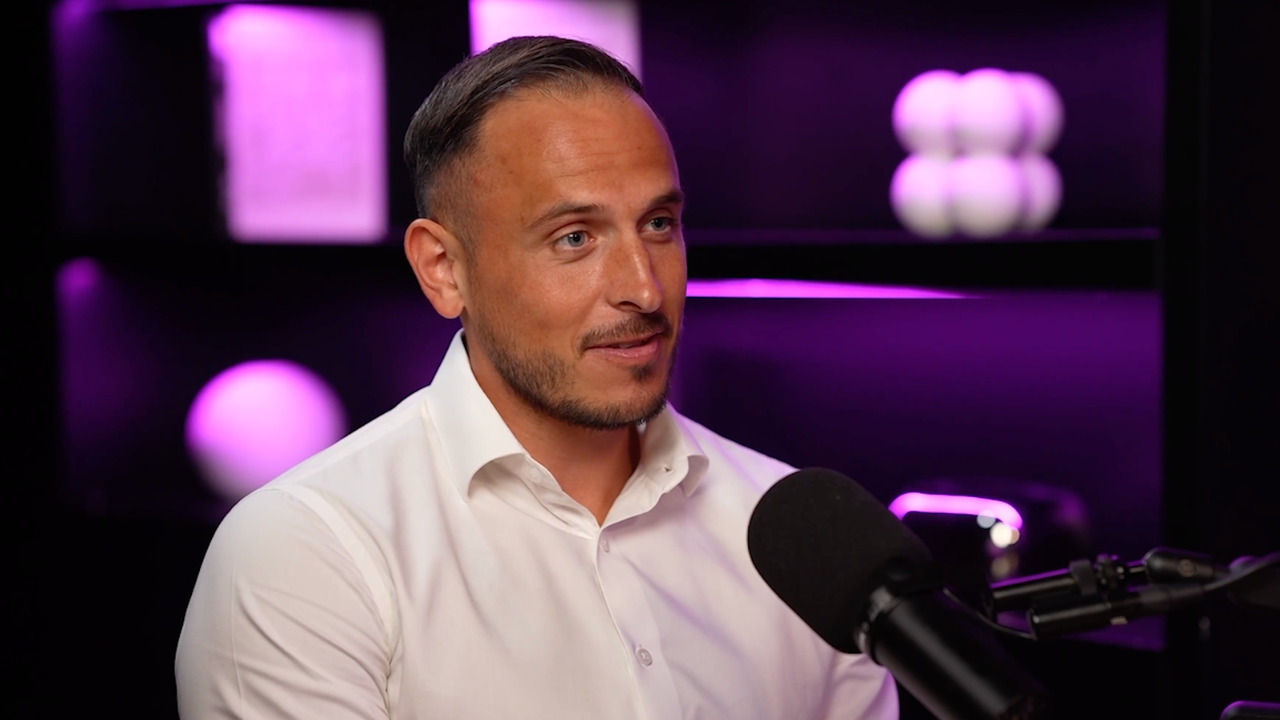
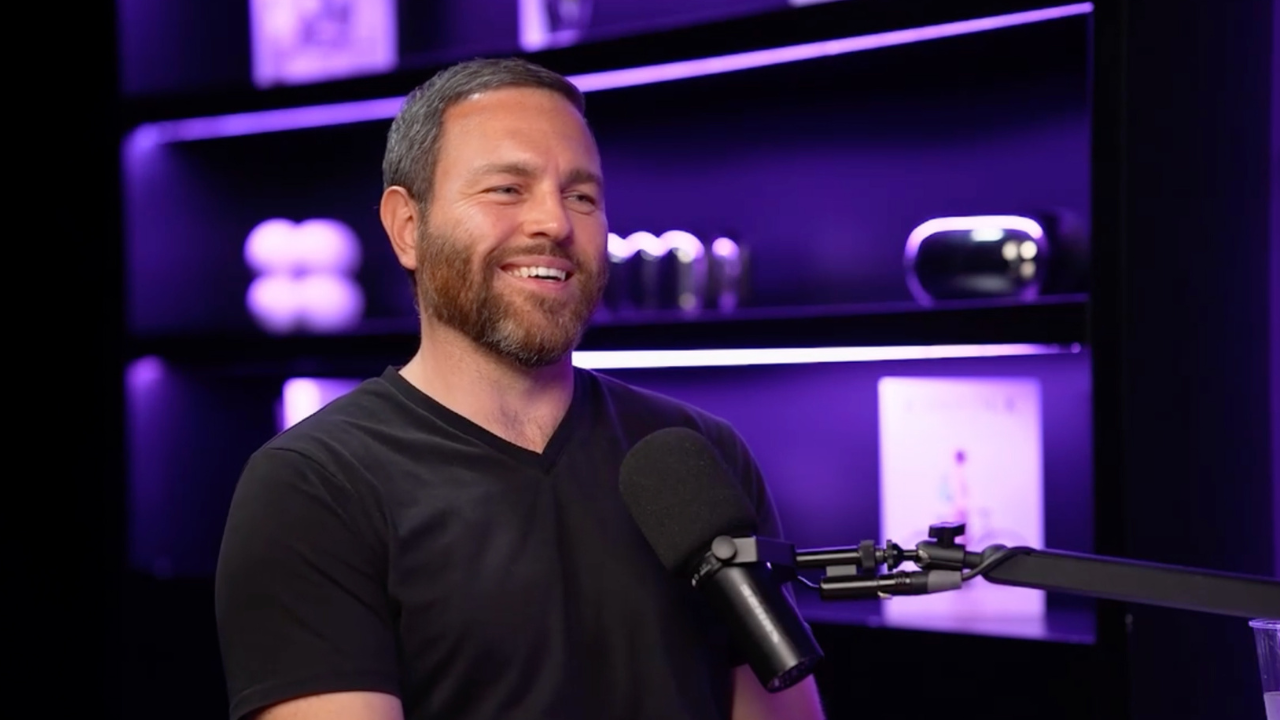
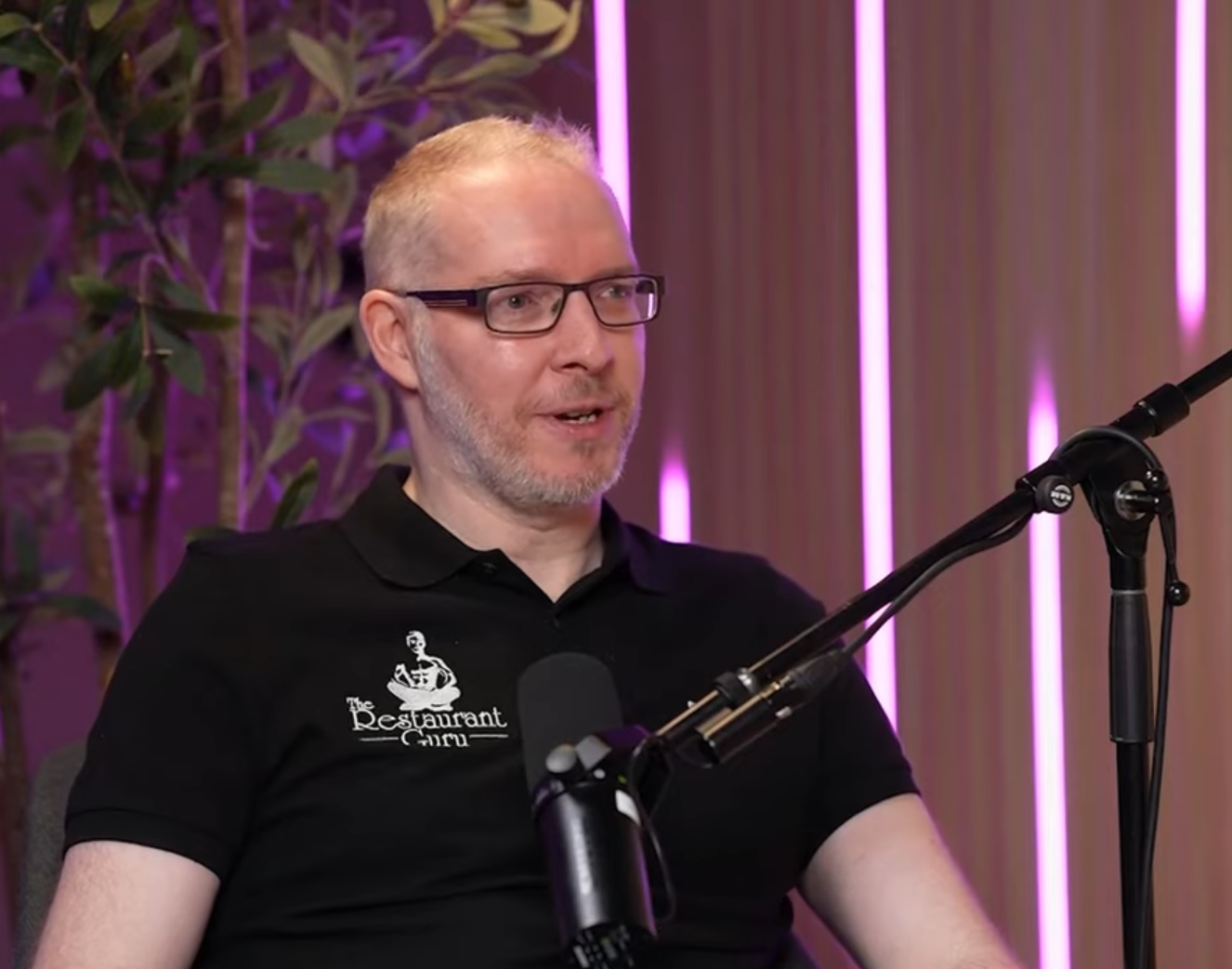
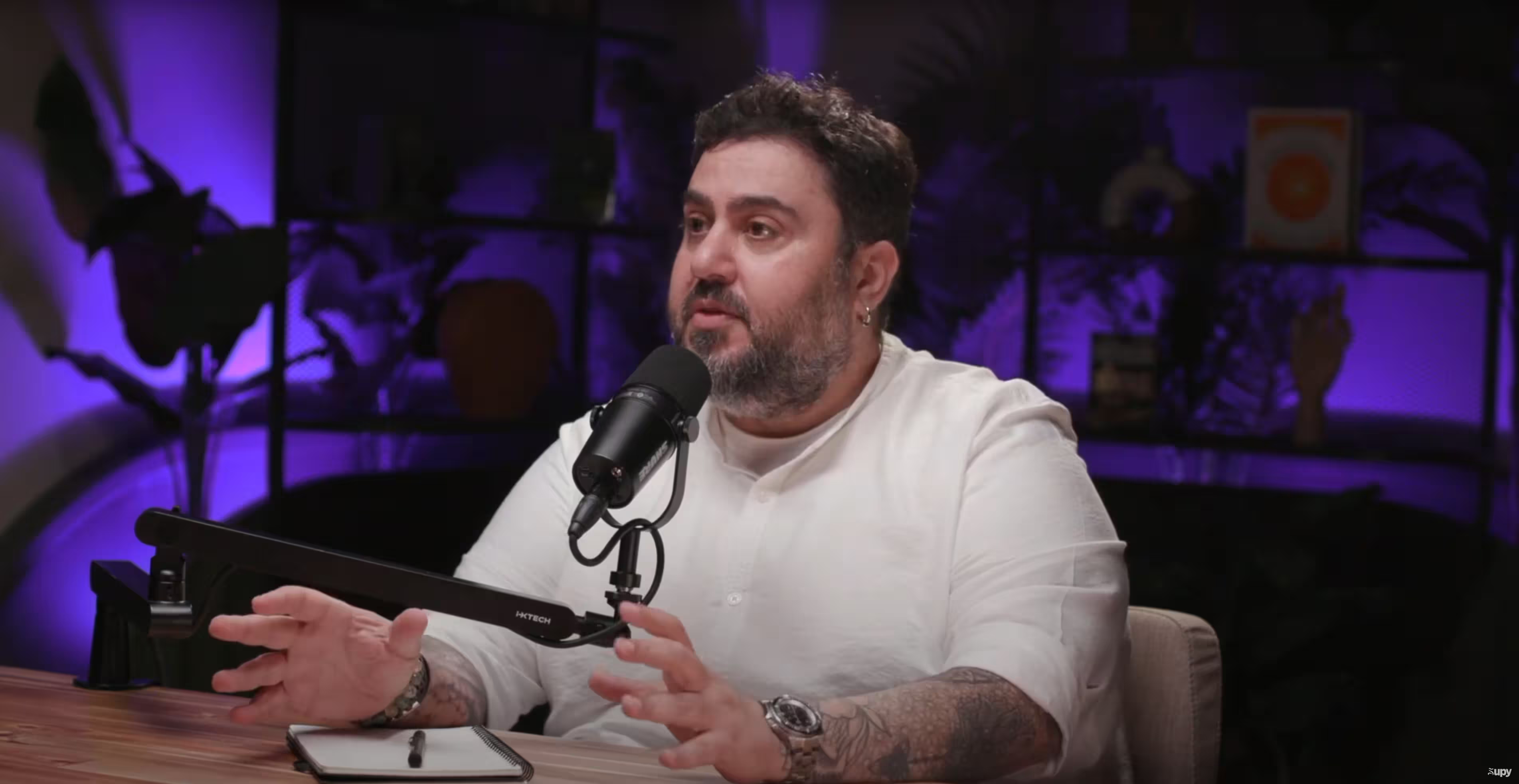
Guest & host

Résumé de l'épisode
La plupart des enseignes de restauration qui survivent à une faillite ne reviennent pas plus fortes. TGI Fridays – avec un playbook imprimé entre les mains de chaque employé et un objectif de $2 milliards de chiffre d'affaires d'ici 2030 – entend être l'exception.
Dans cet épisode, Phil Broad, Global President de TGI Fridays, s'entretient avec Curran pour expliquer ce qui s'est réellement passé aux États-Unis et à quoi ressemble la renaissance de l'intérieur. La relation de Phil avec la marque remonte à trois décennies, à l'époque où il a ouvert le restaurant de High Wycombe au Royaume-Uni – une ère où neuf des onze Fridays les plus rentables au monde étaient britanniques. Sa carrière l'a ensuite conduit à Pizza Hut, Starbucks – où il a ouvert 750 établissements – à Outback Steakhouse, Tesco et à des postes de direction dans toute la région du CCG. En février, un jour après sa mise à la retraite, il a reçu un appel lui demandant s'il voulait reprendre du service. Il a réfléchi pendant dix secondes.
La conversation porte sur l'actionnariat de capital-risque qui a extrait des liquidités de l'entreprise – en supprimant d'abord les formations, en laissant les équipes expérimentées partir, en laissant l'expérience client se dégrader et les ventes chuter en spirale – ainsi que sur les réinvestissements en cours : le rachat du parc britannique, dont 24 des restaurants repris n'avaient pas de chauffage fonctionnel, le relancement des emblématiques rayures rouge et blanc, et la signature de 150 nouveaux restaurants en douze mois au Japon, au Pérou, au Kenya, aux Maldives, dans les Balkans et au Mexique.
Du balai et du seau qu'un ami lui a un jour remis comme stratégie de redressement pour Starbucks, à la règle 70/20/10 qui maintient un menu mondial à la fois cohérent et local, en passant par l'histoire d'une infirmière au Koweït qui illustre toute sa philosophie de confiance – voici l'une des conversations les plus honnêtes et les plus captivantes sur la reconstruction d'une marque mondiale que vous entendrez jamais.
Enseignements de l'épisode
Phil Broad a passé trois décennies à ouvrir, gérer et sauver certaines des enseignes de restauration les plus reconnues au monde. Chaque leçon ici a été acquise sur le plancher du restaurant – de High Wycombe au Koweït en passant par Dallas.
Les entreprises ne meurent pas de mauvais produits – elles meurent d'actionnaires qui les traitent comme des distributeurs automatiques
Phil est inhabituel directement sur ce qui a conduit TGI Fridays Inc. à la faillite : un actionnariat de capital-risque qui a extrait des liquidités de l'entreprise au lieu d'y investir. La première chose à disparaître a été la formation. Puis les équipes expérimentées sont parties, l'expérience client s'est dégradée et les ventes ont chuté – lentement, puis soudainement.
La preuve les attendait lorsque la nouvelle direction a racheté le parc britannique en janvier. Parmi les restaurants repris, 24 n'avaient pas de chauffage fonctionnel. La substance de l'entreprise avait été silencieusement démontée pendant des années.
Son cadrage est celui dont tout opérateur devrait se souvenir : une entreprise de restauration n'est pas un distributeur automatique. On ne peut pas continuer à en extraire des liquidités – il faut les réalimenter. Brian Niccol le fait chez Starbucks. Fridays le fait maintenant. Les propriétaires qui comprennent cela construisent des marques qui durent des décennies. Ceux qui ne le comprennent pas alimentent les manchettes sur les faillites.
Choisir un franchisé, c'est choisir une épouse
Un contrat de franchise Fridays s'étend jusqu'à vingt ans – un contrat dix plus dix que Phil considère comme irrévocable une fois signé. L'affaire est conclue. Poignée de main. Développer l'activité ensemble sur une base gagnant-gagnant.
Cette permanence change la façon dont il évalue les partenaires. Il passe des heures en appels avant même de rencontrer quelqu'un, testant les choses qu'aucun contrat ne peut imposer : sont-ils sur la même longueur d'onde, partagent-ils les mêmes valeurs, son équipe s'entendra-t-elle avec la leur ? Le ciment qui unit marque et culture compte plus que n'importe quelle clause.
La discipline fonctionne dans les deux sens. Fridays sait quand accélérer et quand freiner – y compris en ralentissant délibérément les franchisés qui croissent plus vite que leurs opérations ne peuvent le soutenir. Un mariage de vingt ans survit par le jugement, pas par l'enthousiasme.
La règle 70/20/10 : comment une marque mondiale reste à la fois cohérente et locale
Fridays dispose d'une base de données de recettes comprenant mille recettes, et le menu de chaque nouveau marché suit la même structure. Soixante-dix pour cent est un noyau imposé – les ribs, les plats grillés et les spécialités emblématiques qui font d'un Fridays un Fridays partout dans le monde. Vingt pour cent est sélectionné par le franchisé dans la base de données de recettes, selon ce qui convient à son marché. Les dix derniers pour cent représentent une vraie flexibilité locale – des plats créés ensemble pour les goûts locaux, comme des options plus végétariennes et à base de riz aux Philippines.
La philosophie derrière les chiffres est ce qui fait fonctionner le tout. Comme le dit Phil : qui sommes-nous pour dicter à un franchisé qui est un national, qui vit là-bas ? S'ils croient en un plat, Fridays les soutient et s'assure que c'est bien exécuté.
C'est l'expression opérationnelle du principe du mariage – assez de structure pour protéger la marque, assez de confiance pour respecter le partenaire.
Les deux indicateurs qui comptent : le chiffre d'affaires et le bien-être de vos équipes.
Demandez à Phil quel chiffre compte et sa réponse est immédiate : le chiffre d'affaires. Son raisonnement est direct – on peut avoir toutes les conversations avec son propriétaire, réduire chaque heure de travail, rogner chaque ligne du compte de résultat, et la personne qui en souffre en fin de compte est le client. Le déclin du chiffre d'affaires est le seul problème dont on ne peut pas se sortir par la gestion ; on ne peut s'en sortir que par les ventes, avec un plan axé sur les ventes et une expérience qui donne envie de revenir.
Cette philosophie traverse tout ce que fait le nouveau Fridays. L'évolution de la marque avait été trop lente pendant des années – il y a donc maintenant un format de 160 mètres carrés qui ouvre au Japon là où les restaurants nécessitaient auparavant 500 mètres carrés, un franchisé à Melbourne qui installe du shuffleboard à KI à côté des margaritas, un nouveau système de caisse qui se déploie car, comme le dit Phil, la différence entre un bon et un mauvais système, c'est un manager qui rentre chez lui à une heure du matin ou à quatre heures. Même la formation a été reconstruite – de courtes vidéos percutantes d'une équipe de formation basée à Dubaï, diffusées via des avatars multilingues des dirigeants eux-mêmes.
Rien de tout cela n'est une réduction des coûts. Tout cela est un investissement dans les deux éléments que Phil croit être les vrais moteurs du chiffre : l'expérience client et les personnes qui la délivrent.
La culture est le système d'exploitation – et elle doit être enseignée, racontée et re-racontée
Passer une heure avec Phil permet de remarquer combien de son leadership est transmis par des histoires. Les symboles cachés dans chaque Fridays – le paon pour la fierté de l'équipe, Abraham Lincoln pour l'intégrité, l'éléphant en équilibre sur une balle pour l'équilibre vie professionnelle-vie personnelle, la théorie du poteau en acier, le triangle équilibrant client, entreprise et employé. Rien de tout cela n'est de la décoration. C'est ainsi que des milliers de personnes dans des dizaines de pays absorbent ce que la marque attend d'eux sans lire de manuel.
La même intentionnalité se manifeste partout dans l'épisode. Une conférence mondiale qui revient pour la première fois depuis 2019, avec le World Bartender Challenge et un prix de $10,000, parce que la célébration fait partie du système. Une structure de soutien répartie entre trois bureaux – les États-Unis, les Émirats arabes unis, le Royaume-Uni – afin que le bien-être et l'équilibre vie professionnelle-vie personnelle survivent à une opération mondiale de 24 heures. Une habitude de leadership consistant à demander à un employé en retard comment il va, et non pourquoi il est en retard. Et sous tout cela, le meilleur conseil que Phil ait jamais reçu, de Howard Schultz : dirigez avec le cœur.
Sa propre mesure du succès illustre le propos mieux que n'importe quel poster de valeurs – peu importe le poste qu'il prend, sa première tâche est de trouver son propre successeur. Misez sur les personnes, développez-les en interne et la culture se perpétue d'elle-même.

Ready to optimize your restaurant operations?
More stories from F&B leaders
.png)
.png)
.png)

.png)





Êtes-vous prêt à transformer vos opérations ?
Comme plus de 3 500 restaurateurs utilisez Supy pour réduire vos coûts, rationaliser les opérations et prendre des décisions plus intelligentes.
