.jpeg)
La vraie raison pour laquelle la tech hôtelière échoue
Watch extracts
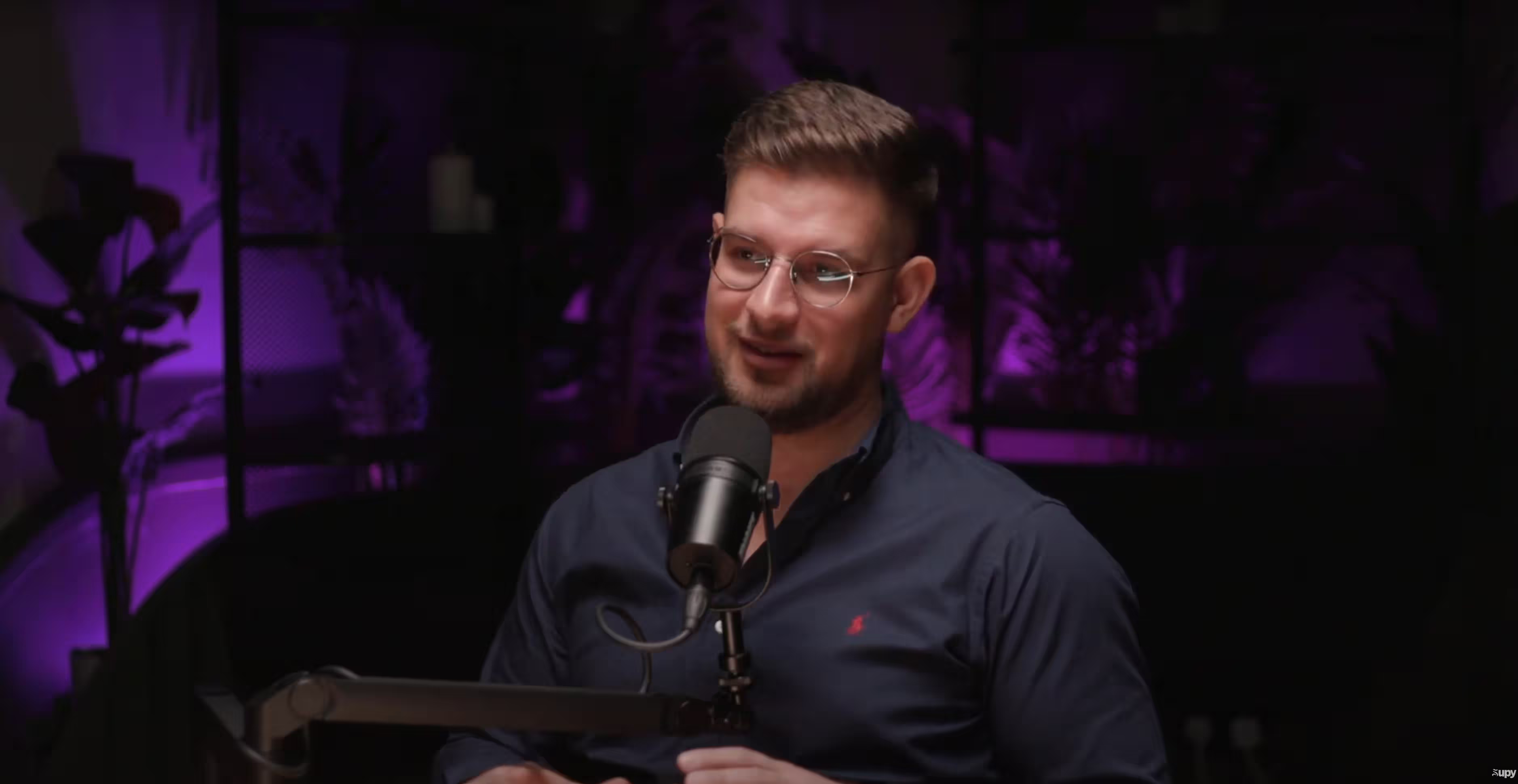
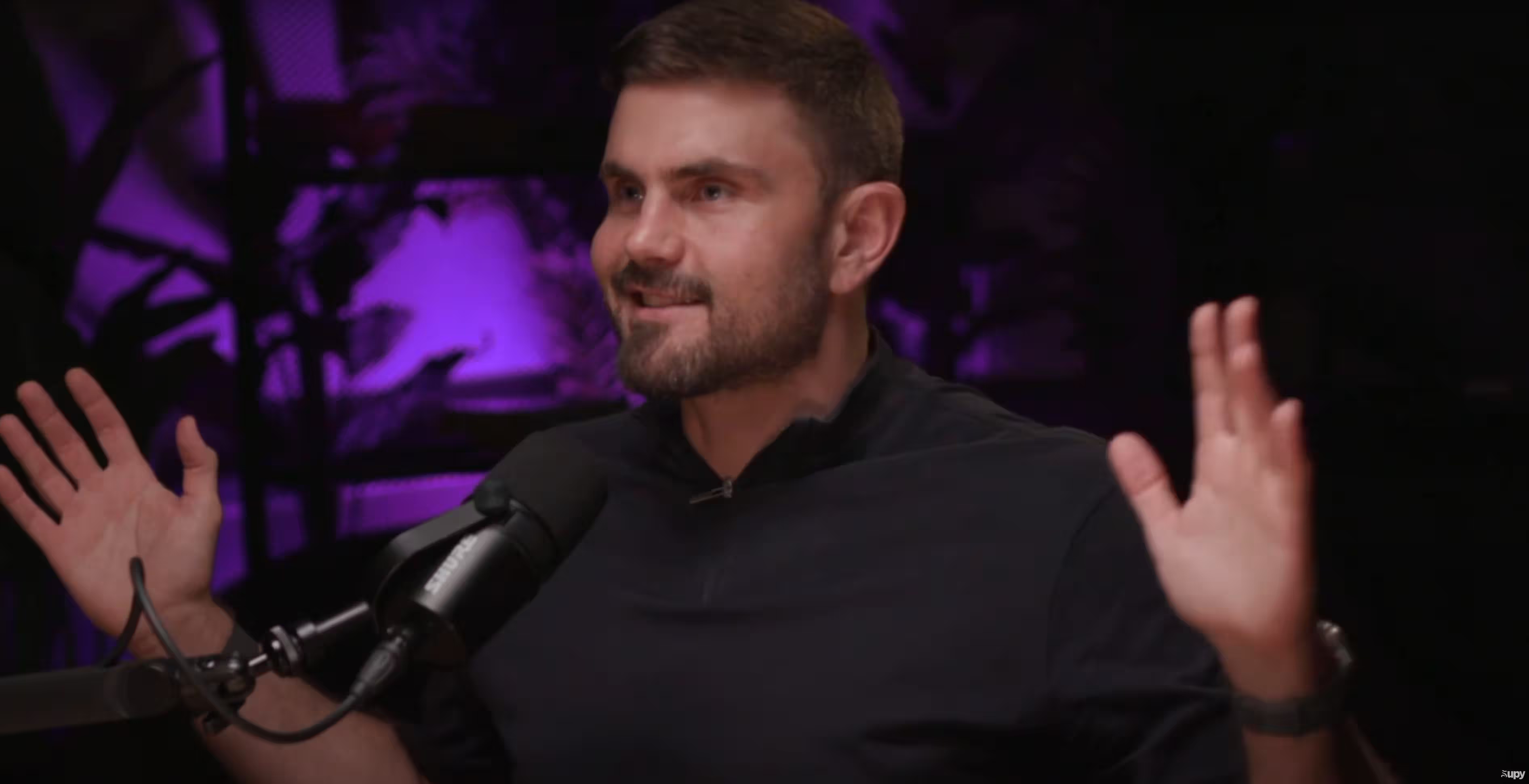
Guest & host

Résumé de l'épisode
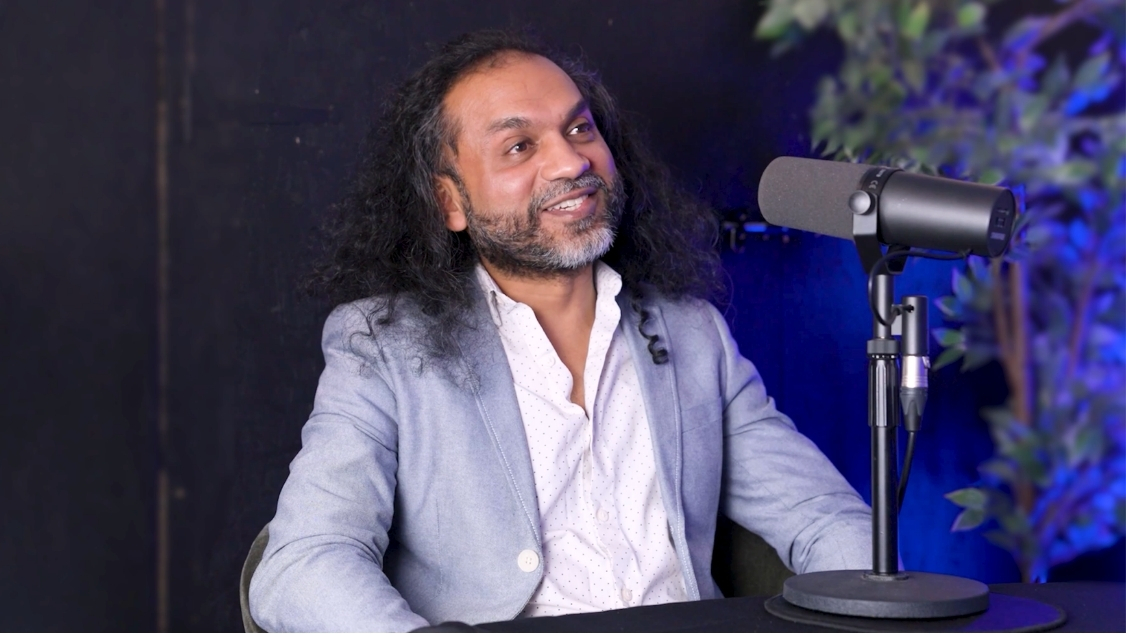
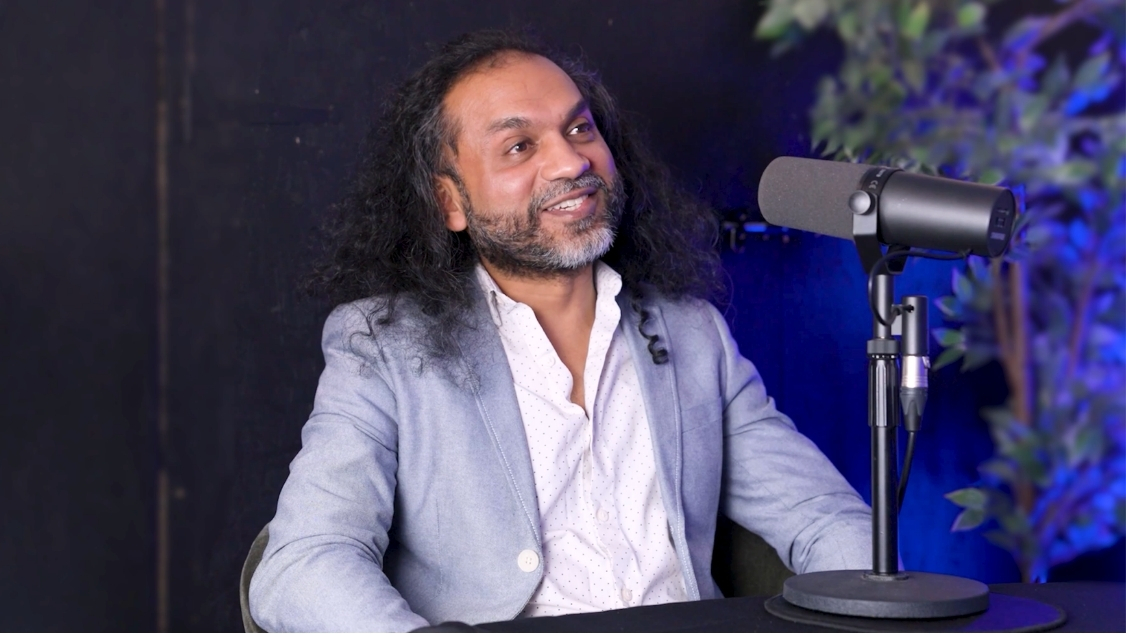
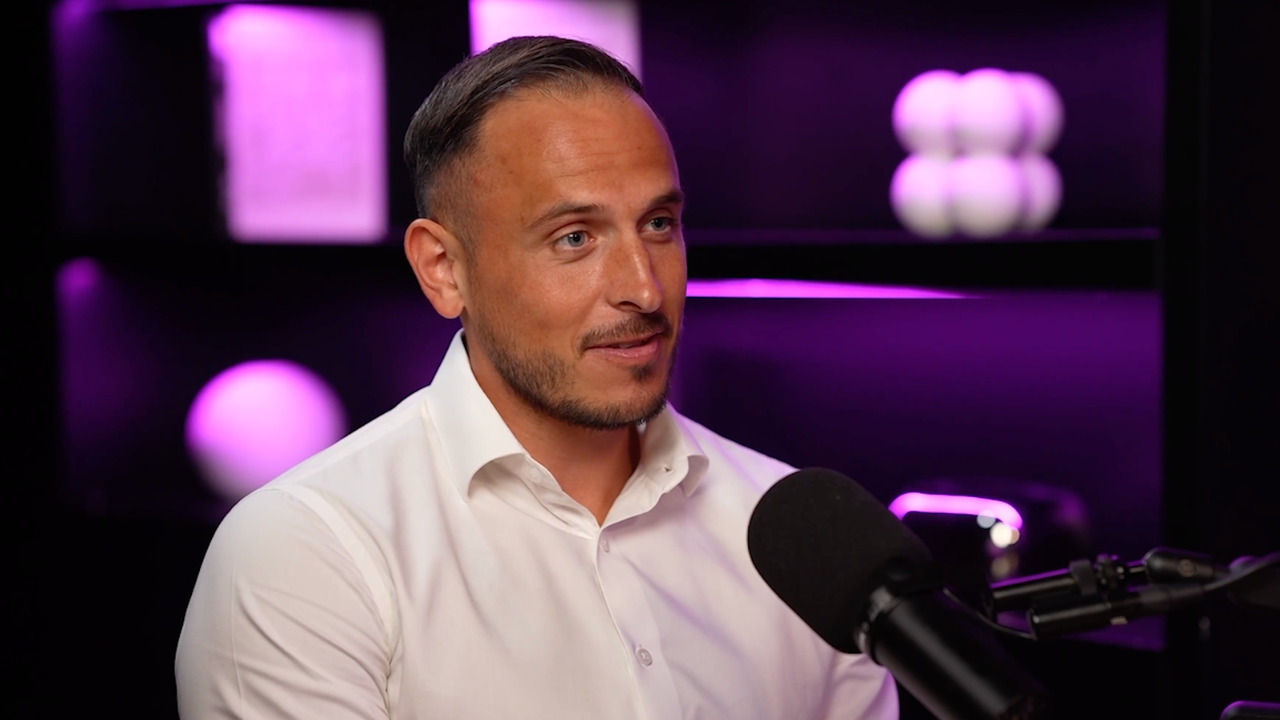
La principale raison pour laquelle la technologie échoue dans l'hôtellerie n'a rien à voir avec la technologie elle-même. Dans cet épisode, Mitz Patel explique pourquoi la confiance, l'empathie opérationnelle et l'adhésion précoce sont les véritables leviers qui déterminent si un nouveau système s'installe – ou s'abandonne discrètement dès que l'équipe IT quitte les lieux.
Fort de son parcours depuis le terrain opérationnel chez David Lloyd jusqu'à la refonte complète de la stack technologique de Prezzo Italian à partir de zéro, et désormais à la tête de la livraison IT sur l'ensemble du parc mondial de Soho House, Mitz raconte ce qui se passe quand la technologie est imposée à une organisation sans comprendre d'abord les personnes qui la composent. Des équipes en larmes face aux appareils portables aux robots préparant des cocktails, cet épisode couvre tout le spectre de l'adoption technologique dans l'hôtellerie – ce qui fonctionne, ce qui ne fonctionne pas, et pourquoi la réponse revient presque toujours aux personnes.
Les enseignements de l'épisode
Mitz a passé sa carrière à l'intersection des opérations hôtelières et de la livraison IT. Le fil conducteur à travers chaque rôle : les opérateurs qui réussissent avec la technologie sont ceux qui ne perdent jamais contact avec ce qui se passe sur le terrain.
Les opérations en premier, la technologie en second
Avant de rejoindre l'IT, Mitz travaillait dans les opérations. Ce parcours façonne tout. Son approche de la technologie n'est jamais de commencer par le système – c'est de commencer par les personnes qui l'utiliseront, les points de friction auxquels elles font face et la confiance qui doit être établie avant que tout déploiement puisse réussir.
Sortir du bureau pour aller sur le terrain n'est pas un bonus. Pour Mitz, c'est le travail lui-même.
L'adoption technologique est un problème humain
Les organisations confondent fréquemment un échec technologique avec une défaillance du système. Dans la plupart des cas, soutient Mitz, c'est un échec humain – ou plus précisément, un échec de gestion du changement.
Quand Prezzo Italian a introduit des appareils de commande portables, certains membres du personnel de longue date ont fondu en larmes. Le stylo et le papier n'étaient pas qu'un outil – c'était un bouclier. Une source de confiance. Les retirer sans prendre en compte la dimension émotionnelle était une recette pour la résistance.
La solution n'était pas de forcer l'adoption. C'était :
- Être présent – pas seulement lors du lancement
- Montrer les avantages dans un langage compris par l'équipe
- Bâtir la confiance avant d'attendre un changement de comportement
- Et oui, parfois être direct sur ce qui n'était plus facultatif
Au moment où Mitz a quitté Prezzo, les mêmes membres du personnel qui avaient refusé les appareils portables disaient ne plus pouvoir imaginer travailler sans eux. Le même schéma se joue désormais chez Soho House.
Échouer vite – mais apprendre encore plus vite
Chez Prezzo, la culture était d'essayer des choses, d'échouer si nécessaire et de se relever rapidement. Mitz a piloté des appareils portables, la technologie de paiement walk-out Barclaycard, les terminaux tout-en-un Dojo, et même une série d'appareils de paiement sur mesure expédiés depuis la Chine. Tous n'ont pas fonctionné. Tous ont enseigné quelque chose.
La volonté de laisser les opérateurs mener des pilotes – et d'offrir aux fournisseurs plus modestes un environnement de test réel – a maintenu l'entreprise à la pointe tout en aidant les marques émergentes à façonner leurs produits autour des retours d'opérateurs authentiques.
Le service efficace n'est pas synonyme de service rapide
L'une des distinctions les plus claires de l'épisode : Soho House ne recherche pas un service rapide. Ses membres attendent un certain niveau d'expérience. Ce sur quoi l'entreprise se concentre, c'est un service efficace – supprimer les frictions en coulisses pour que ce que les membres vivent en façade semble sans effort.
Ce cadrage est important. La technologie déployée pour la vitesse peut vider l'hôtellerie de son âme. La technologie déployée pour l'efficacité peut l'enrichir.
La bonne technologie dépend du contexte
Les QR codes sont peut-être standard dans la restauration décontractée. Dans un coin tranquille d'un Soho House, ils pourraient sembler totalement déplacés. La technologie qui fonctionne autour de la piscine en été peut être sans pertinence dans la bibliothèque privée des membres.
L'approche de Mitz chez Soho House est de constituer un menu d'options technologiques – testées et éprouvées dans une maison d'excellence (White City House) – puis de laisser les Directeurs Généraux choisir ce qui convient à leur établissement. Les DG sont les décideurs. Ils connaissent leurs membres. La mission de l'équipe IT est de leur proposer des options qui valent la peine d'être choisies.
Bâtir la confiance avec les opérateurs avant toute autre chose
Que ce soit chez Prezzo Italian ou Soho House, le point de départ constant de Mitz est le même : se rapprocher des équipes opérationnelles. Aller sur le terrain. Aider à débarrasser les tables. Nettoyer une terrasse. Comprendre où se situent les frictions.
Les Directeurs Généraux et les équipes en salle ne suivront pas un déploiement technologique parce qu'un directeur IT le leur a demandé. Ils le suivront parce qu'ils font confiance à la personne qui le porte, et parce qu'ils peuvent voir ce qu'il leur apporte.
Cette confiance ne se construit pas en salle de réunion. Elle se construit sur le terrain.
Conseils pour quiconque prend un rôle de direction IT en hôtellerie
Les conseils de Mitz sont directs :
- Apprenez d'abord à connaître votre équipe opérationnelle – avant toute autre chose
- Soyez audacieux : demandez des pilotes gratuits, négociez des remises, supprimez les obstacles à l'obtention de données réelles
- Regardez les données, vraiment – ne vous contentez pas de lancer des pilotes et de passer à autre chose
- Restez ouvert aux conversations avec quiconque développe quelque chose de nouveau
- Et n'oubliez pas : nous sommes dans l'hôtellerie. La bienveillance ne coûte rien et rapporte au centuple.
Savoir quand faire marche arrière
C'est peut-être la leçon la plus importante de quelqu'un qui a passé des années à faire avancer la technologie : parfois la réponse est moins de technologie, pas davantage. La décision de Leon de supprimer les écrans et de réintroduire une touche personnelle rappelle que tout déploiement a besoin de quelqu'un dans la salle prêt à dire « attendez, faisons-nous cela pour les bonnes raisons ? »
La sur-ingénierie est un risque. La technologie pour la technologie nuit à l'hôtellerie. L'objectif est toujours d'améliorer l'expérience – pour les membres, les clients et les équipes qui les servent.
Ready to optimize your restaurant operations?
More stories from F&B leaders
.png)
.png)
.png)
.png)

.png)






Êtes-vous prêt à transformer vos opérations ?
Comme plus de 3 500 restaurateurs utilisez Supy pour réduire vos coûts, rationaliser les opérations et prendre des décisions plus intelligentes.
