.jpeg)

Comment construire la meilleure stack tech pour restaurants
.png)
Watch extracts
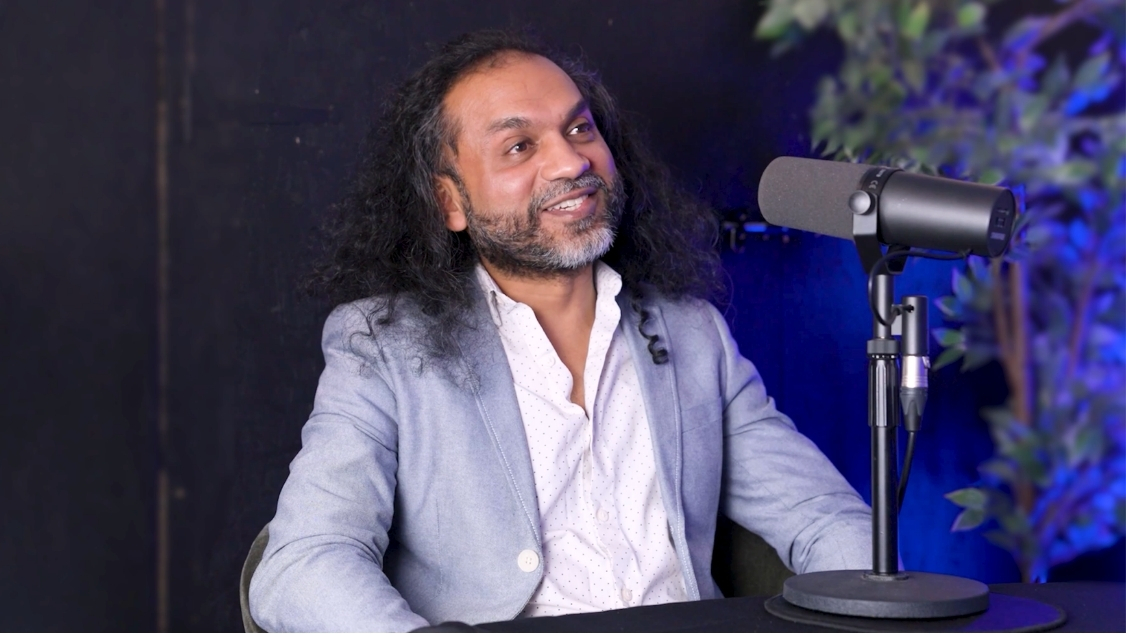
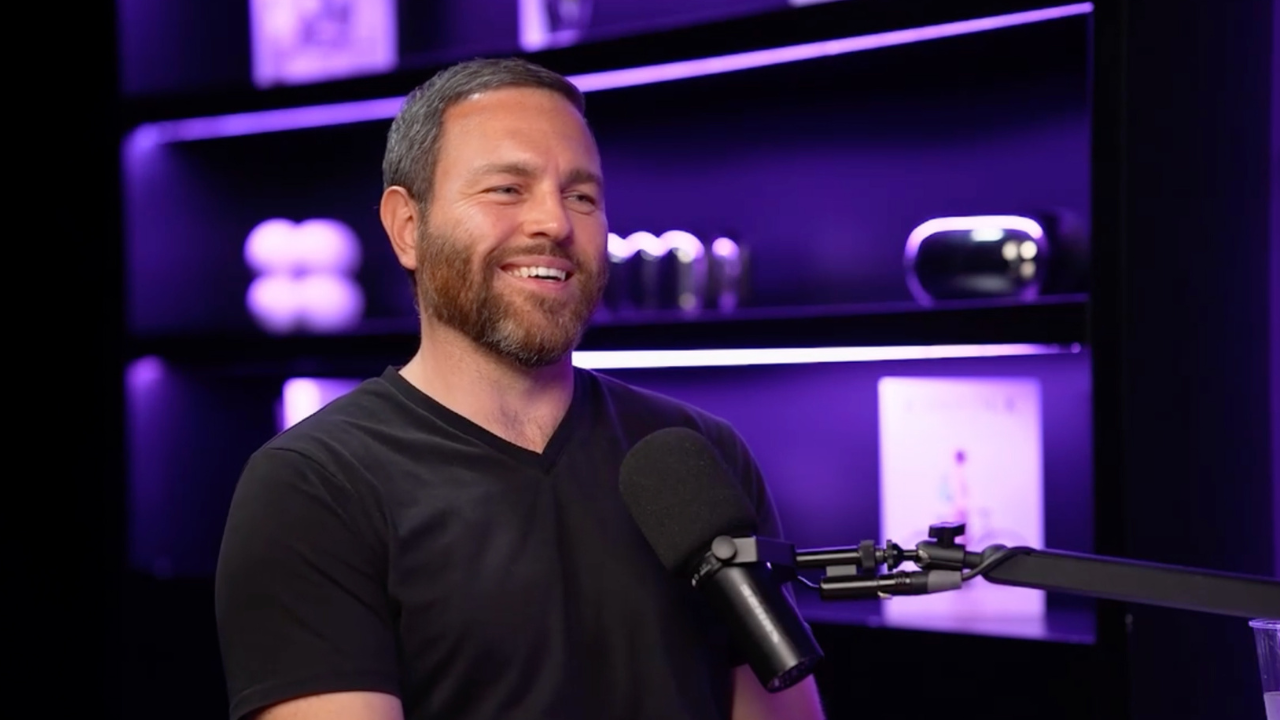
Guest & host

Résumé de l’épisode
La montée en échelle dans l’hôtellerie-restauration échoue quand les exploitants sous-estiment à quel point les restaurants diffèrent du commerce de détail. Dans cet épisode, Jackson Versitano explique pourquoi les établissements de restauration opèrent avec des fenêtres de vente plus étroites, des stocks périssables et une pression sur les marges que le commerce de détail ne connaît tout simplement pas. Si un magasin de détail connaît une mauvaise journée, les stocks restent en rayon. Dans la restauration, ils finissent à la poubelle.
Fort de plus d’une décennie à la croisée des technologies du commerce de détail et de l’hôtellerie-restauration, Jackson partage ce qui permet réellement une croissance durable : un concept clair, le bon emplacement, une ingénierie du menu disciplinée, des équipes solides et une infrastructure technologique évolutive. Du POS comme « cerveau » de l’entreprise aux meilleures Intégrations du marché, en passant par une approche pragmatique de l’IA, cet épisode offre un guide concret pour grandir sans perdre le contrôle.
Ce qu’on retient de l’épisode
Jackson a travaillé à l’intersection des technologies du commerce de détail et de la restauration pendant plus de dix ans. Dans les deux secteurs, il a observé une vérité constante : la montée en échelle révèle les fondations fragiles. Dans la restauration, ces faiblesses apparaissent plus vite et plus douloureusement à cause de la périssabilité, de la complexité des ressources humaines et des marges plus serrées.
L’hôtellerie-restauration n’est pas le commerce de détail – et cela change tout
Un postulat essentiel que Jackson partage est simple : la restauration ne peut pas fonctionner comme le commerce de détail. Le commerce de détail tourne 24/7. La restauration opère dans des fenêtres de vente strictes.
Si vous ratez votre prévision dans le commerce de détail, les stocks sont encore vendables le lendemain. Dans la restauration, une mauvaise journée signifie souvent des stocks gaspillés et des recettes perdues qui ne peuvent pas être récupérées. Cela rend le timing, les prévisions et la précision opérationnelle critiques.
Pourquoi la montée en échelle brise les restaurants
Chaque jour au Royaume-Uni, plusieurs restaurants ferment en raison d’insolvabilité. Souvent, ce n’est pas le premier établissement qui échoue. C’est le deuxième ou le troisième.
La croissance amplifie :
- Le manque de clarté conceptuelle
- Les mauvaises décisions d’emplacement
- Les inefficacités opérationnelles
- Les structures d’équipe fragiles
- Les limites technologiques
La montée en échelle ne règle pas les problèmes fondamentaux. Elle les accélère.
Le concept est roi. L’emplacement est critique.
Avant d’ouvrir des sites supplémentaires, les exploitants doivent avoir une vision claire de :
- Qui est vraiment leur public cible
- Quelle expérience ils proposent
- Si l’emplacement correspond au concept
- Si la demande soutient le modèle
Le concept et l’emplacement ne sont pas des décisions créatives. Ce sont des décisions commerciales.
Deux éléments non négociables lors de la montée en échelle : les personnes et la technologie
Jackson met en avant deux leviers qui déterminent si la croissance multi-sites réussit :
1) Personnel
La restauration peine déjà à trouver des effectifs. Lors de la montée en échelle, les exploitants ne peuvent pas prendre les mêmes décisions que pour un site unique. La solidité du leadership, la rigueur dans les recrutements et l’alignement opérationnel doivent évoluer.
2) Technologie
La stack logicielle qui fonctionne pour un établissement fonctionne rarement pour cinq. La visibilité multi-sites, le reporting centralisé, le contrôle des stocks et les Intégrations deviennent indispensables.
La technologie doit évoluer avec les ambitions de l’entreprise.
Le POS comme cerveau de l’entreprise
Jackson explique comment le POS devrait fonctionner comme cerveau opérationnel. Il capture les données de vente, le flux de service, le comportement des clients et les tendances de performance. Mais le POS seul ne suffit pas.
L’avenir réside dans des écosystèmes de premier ordre :
- Le POS comme pièce maîtresse
- La Gestion des stocks pour la visibilité des marges
- Les réservations et le CRM pour les insights clients
- Les Intégrations comptables pour la clarté financière
Les systèmes tout-en-un peuvent sembler simples au début, mais à mesure que la complexité augmente, la flexibilité devient indispensable.
Les données avant l’IA
L’IA est l’une des tendances les plus discutées dans la restauration. La perspective de Jackson est pragmatique :
N’adoptez pas l’IA parce que c’est une tendance.
Adoptez-la parce que votre entreprise a un besoin défini.
Sans données propres et structurées, l’IA devient du bruit. Les exploitants devraient :
- Améliorer d’abord les rapports de base
- S’assurer que les données de stocks et de ventes sont fiables
- Identifier les vrais goulots d’étranglement opérationnels
- Commencer petit et intégrer l’IA de manière intentionnelle
Garbage in, garbage out est amplifié avec l’IA.
Ingénierie du menu et contrôle des marges
Les restaurants fonctionnent comme des micro-usines. Chaque plat contient plusieurs ingrédients, chacun avec des coûts fluctuants et des dépendances fournisseurs. Le contrôle des marges nécessite :
- Un Coût des recettes précis
- Un suivi en temps réel des prix fournisseurs
- Des stratégies de vente croisée qui améliorent le résultat net, pas seulement le chiffre d’affaires
- Une analyse continue des performances du menu
La croissance du chiffre d’affaires seule ne protège pas la rentabilité. La discipline des marges, si.
Les partenariats renforcent la scalabilité
L’un des thèmes les plus forts de l’épisode est la pensée en termes d’écosystème. Aucune plateforme unique ne peut répondre à tous les besoins opérationnels à grande échelle.
De solides partenariats d’intégration permettent aux exploitants de :
- Ajouter des capacités au fur et à mesure de leur croissance
- Éviter les remplacements de systèmes perturbateurs
- Maintenir la flexibilité
- Rester concentrés sur leurs forces fondamentales
Une croissance évolutive nécessite une infrastructure modulaire.
Le changement de mentalité lors de la montée en échelle
La leçon peut-être la plus importante de l’épisode est celle-ci :
Les décisions qui ont construit votre premier établissement ne construiront pas votre cinquième.
La montée en échelle nécessite :
- Une visibilité structurée des données
- Un leadership solide en réserve
- Une cohérence opérationnelle
- Une technologie qui évolue avec la complexité
- La discipline plutôt que la course aux tendances
La restauration est impitoyable quand les bases sont fragiles. Mais quand le concept, les personnes et les systèmes sont alignés, la croissance devient durable.

Ready to optimize your restaurant operations?
More stories from F&B leaders
.png)


.png)

.png)

.png)











Êtes-vous prêt à transformer vos opérations ?
Comme plus de 3 500 restaurateurs utilisez Supy pour réduire vos coûts, rationaliser les opérations et prendre des décisions plus intelligentes.
