.jpeg)
Comment passer d'un pop-up à l'un des groupes de restauration les plus appréciés de Londres
.png)
Watch extracts
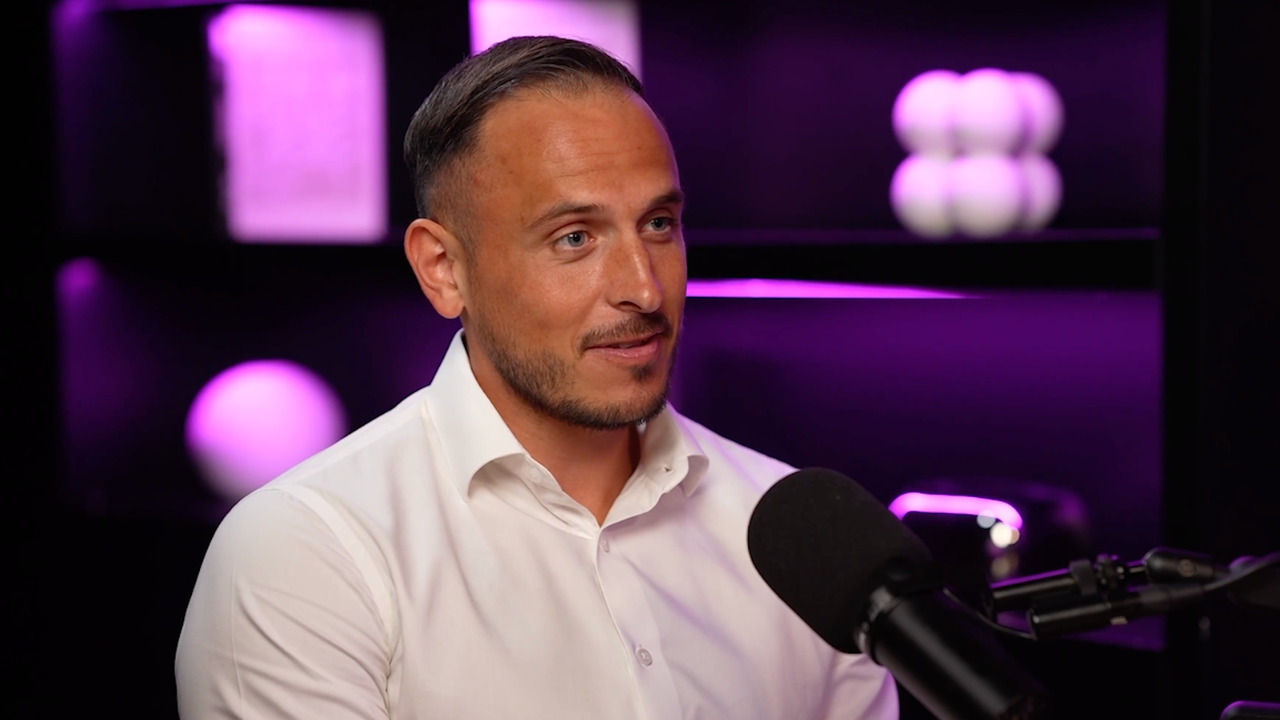
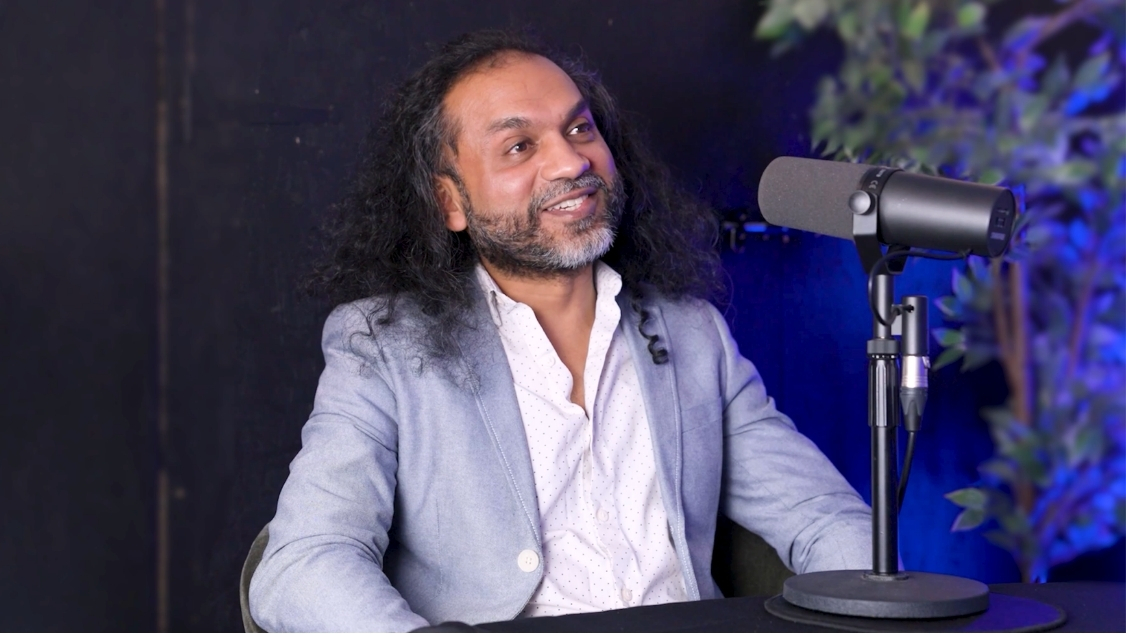
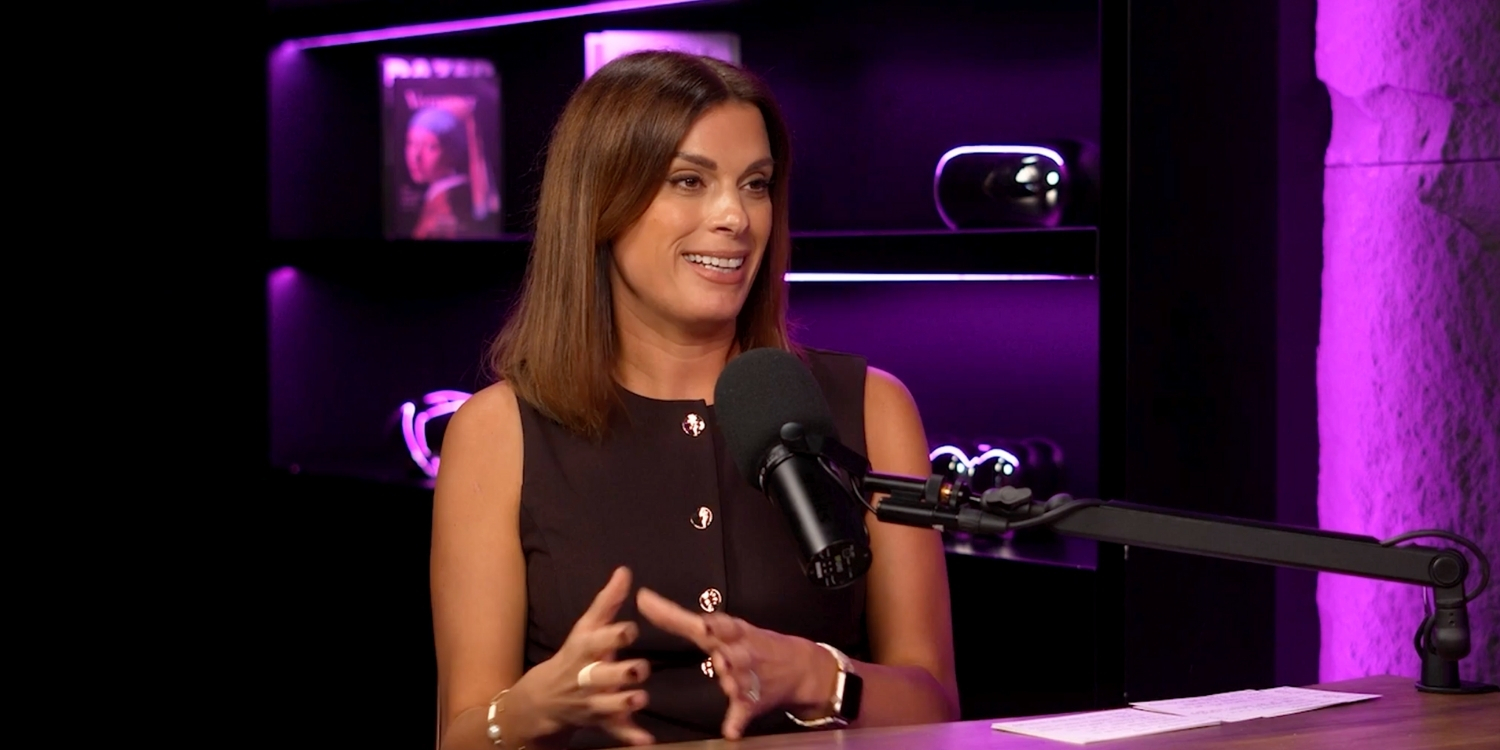
Guest & host

Résumé de l'épisode
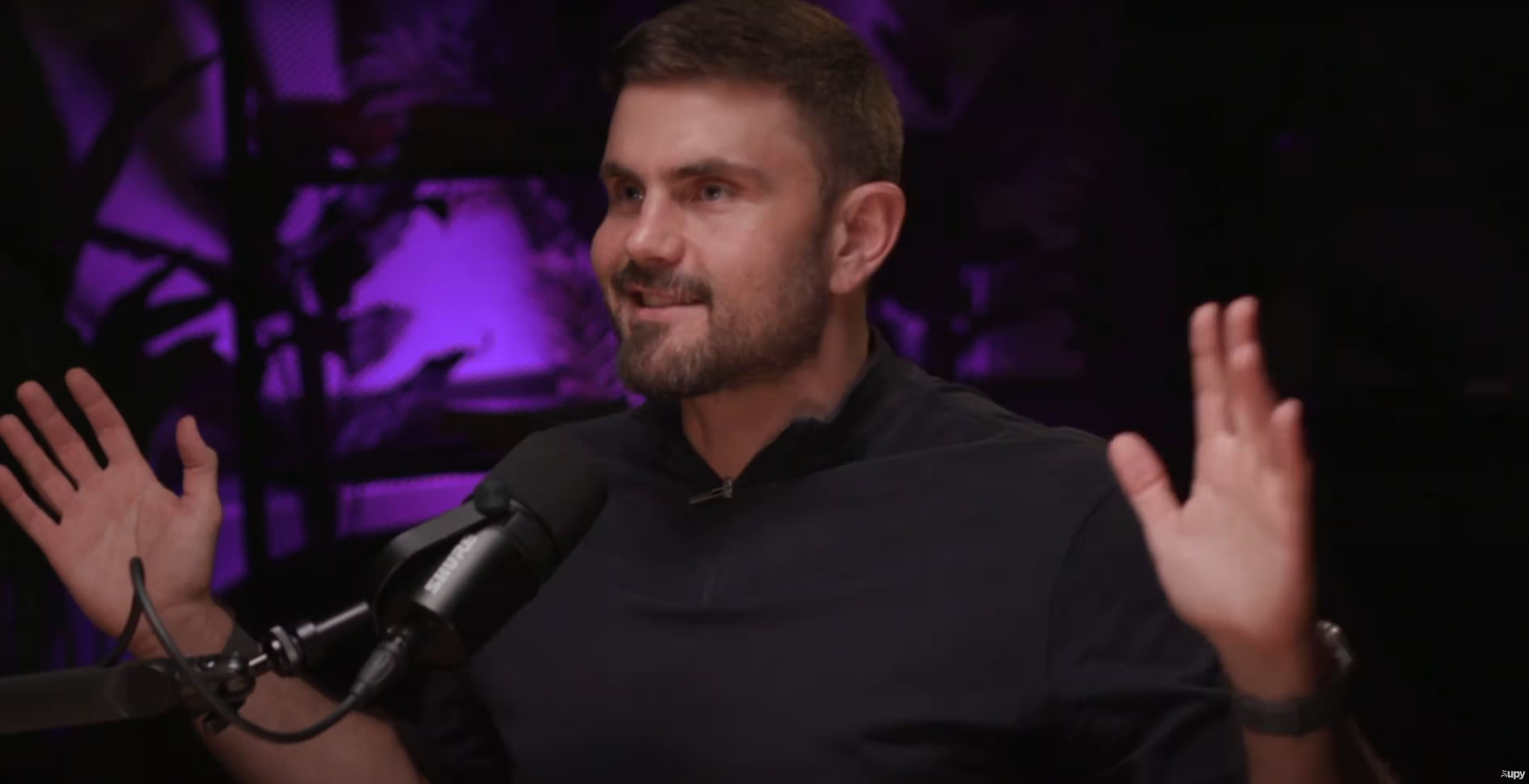
La plupart des restaurants qui semblent avoir connu un succès fulgurant ont en réalité passé des années à le construire. Bubala ne fait pas exception. Dans cet épisode, Mark Summers lève le voile sur deux années de pop-ups, une première ouverture de six semaines, une machine à café qui a fait sauter le courant lors de la soirée de lancement, et le travail lent et délibéré de construction d'une culture qui s'étend désormais sur trois sites et un bureau support en pleine croissance.
La conversation aborde ce que la croissance coûte vraiment — financièrement, opérationnellement et personnellement — et pourquoi le restaurant le plus populaire au monde peut encore faire faillite si les fondamentaux ne sont pas en place. De la réduction du menu à £39, à l'embauche d'un directeur général six mois avant l'ouverture, en passant par l'utilisation des données et de l'intuition en parts égales, Mark livre l'un des témoignages les plus ancrés et honnêtes sur la croissance multi-sites que vous entendrez.
Enseignements de l'épisode
Mark a construit Bubala de zéro — sans financement extérieur, sans raccourcis, sans filet de sécurité. Chaque leçon de cet épisode a été gagnée sur le terrain.
Le succès fulgurant prend des années
Avant que le site Spitalfields de Bubala n'ouvre, Mark a passé deux ans à faire des pop-ups. Non pas pour construire le buzz — mais pour tester, écouter et éliminer tout ce que les clients n'aimaient pas. Y compris des plats qu'il pensait personnellement être brillants.
La leçon : valider le concept avant de s'engager dans des murs n'est pas de la prudence. C'est le travail.
Laissez votre ego à la porte
L'un des principes les plus clairs avec lesquels Mark dirige Bubala : si un plat ne fonctionne pas, retirez-le. Immédiatement. Ne le poussez pas. N'essayez pas de convaincre les clients qu'ils ont tort.
Cela s'applique autant aux décisions de menu qu'au leadership. Les opérateurs qui se développent avec succès sont ceux qui acceptent d'avoir tort rapidement et passent à autre chose sans sentimentalisme.
C'est un restaurant du Moyen-Orient qui se trouve être végétarien
Le positionnement de Bubala était délibéré dès le premier jour. Pas un restaurant végétarien. Pas un concept végétalien. Un restaurant du Moyen-Orient qui ne sert pas de viande — créé par quelqu'un qui n'est pas lui-même végétarien.
Cette distinction change tout. Le menu est construit autour de la texture, de l'umami et des profils de saveurs. Les clients terminent régulièrement un repas sans réaliser qu'il n'y avait pas de viande au menu. C'est l'objectif.
Le végétal offre une marge tampon — mais il ne vous rend pas invulnérable
Les légumes sont moins chers que la viande. Cela a donné à Bubala une marge de départ légèrement plus solide. Mais six ans d'inflation des coûts ont complètement effacé cet avantage. Le menu fixe est passé de £30 à £46 sans bénéfice supplémentaire à la clé.
La réponse de Mark : le ramener à £39. Car la perception de la valeur compte autant que le chiffre lui-même. Les clients qui partent en disant « c'était une évidence » reviennent. Ceux qui partent en ayant l'impression d'avoir trop payé ne reviennent pas.
La culture ne se développe pas d'elle-même — vous devez la construire intentionnellement
En passant d'un site à deux, Mark a pris la décision d'embaucher le Directeur Général et le Directeur Général Adjoint pour Soho six mois avant l'ouverture. C'était coûteux. C'était aussi la meilleure décision qu'il ait prise.
Ces deux recrutements seniors ont eu le temps de comprendre ce que Bubala représente avant qu'un seul client ne franchisse la porte. La culture à l'ouverture était forte grâce à cela. À King's Cross, l'équipe de direction était composée presque entièrement de membres du personnel existant de Bubala — des personnes qui avaient vécu la culture pendant au moins un an avant d'être invitées à la porter ailleurs.
Vous êtes la culture sur un seul site. Sur trois, vous avez besoin d'un système.
Sur un seul site, l'énergie du fondateur porte tout. Au-delà, la culture doit être documentée, enseignée et recrutée délibérément.
Bubala travaille actuellement à définir précisément ce qu'ils recherchent chez les leaders — passant de l'instinct vers un cadre plus clair pour identifier les personnes qui porteront la culture à mesure que le groupe se développe.
Remporter le Happiest Workplace a été le moment de fierté le plus grand — et non un prix culinaire
Le prix Happiest Workplace a été voté par l'équipe de Bubala elle-même. Mark le décrit comme le moment le plus fier de la direction de l'entreprise — non pas parce que la culture était l'objectif initial, mais parce que l'équipe a choisi de le dire elle-même.
Dans un secteur défini par un fort turnover et l'épuisement professionnel, ce vote de confiance des personnes qui font le travail chaque jour compte plus que n'importe quelle critique.
La technologie n'est utile que si vous l'utilisez correctement
Bubala utilise Tenzo pour agréger les données de tous les sites en un seul endroit. Les Insights fournis ont transformé la façon dont les décisions sont prises — mais Mark précise clairement que les données seules ne sont pas la réponse. C'est la combinaison de l'intuition et des données qui fonctionne. La technologie qui n'est pas utilisée à son plein potentiel est presque inutile.
L'ajout prochain d'All Gravy pour les communications internes reflète un choix délibéré : pas de groupes WhatsApp, des frontières claires entre la vie professionnelle et personnelle, et une culture du non-dérangement qui protège l'équipe lorsqu'elle n'est pas en service.
Le restaurant le plus populaire au monde peut encore faire faillite
La nourriture, les boissons et le service sont nécessaires mais pas suffisants. Les factures d'énergie, les frais de traitement des paiements, les conditions de bail, les contraintes de stockage, les coûts de préparation — l'écosystème d'un restaurant est énorme, et n'importe laquelle de ces variables peut silencieusement éroder une marge qui semblait saine sur le papier.
Le conseil de Mark : connaissez vos chiffres. Pas seulement les principaux. Tous.
Soyez prêt pour le chaos — et répétez-le mentalement
L'approche de Mark pour chaque service est d'entrer en se demandant « qu'est-ce qui va mal tourner aujourd'hui ? » Non par anxiété — mais par préparation. Les opérateurs qui entrent en espérant un service sans accroc sont ceux qui paniquent quand ce n'est pas le cas. Les opérateurs qui s'attendent à ce que quelque chose se passe mal sont déjà sereins quand c'est le cas.
La soirée d'ouverture à Spitalfields — la machine à café inondant les installations électriques, aucun système EPOS, des tickets manuscrits, des bougies dans la cuisine — n'était pas un désastre. C'était une histoire. Une histoire qui se raconte encore avec le sourire.
Ready to optimize your restaurant operations?
More stories from F&B leaders
.png)

.png)
.png)

.png)





Êtes-vous prêt à transformer vos opérations ?
Comme plus de 3 500 restaurateurs utilisez Supy pour réduire vos coûts, rationaliser les opérations et prendre des décisions plus intelligentes.
