.jpeg)


كيف تنتقل من بوب-أب إلى إحدى أكثر مجموعات المطاعم حباً في لندن
Watch extracts
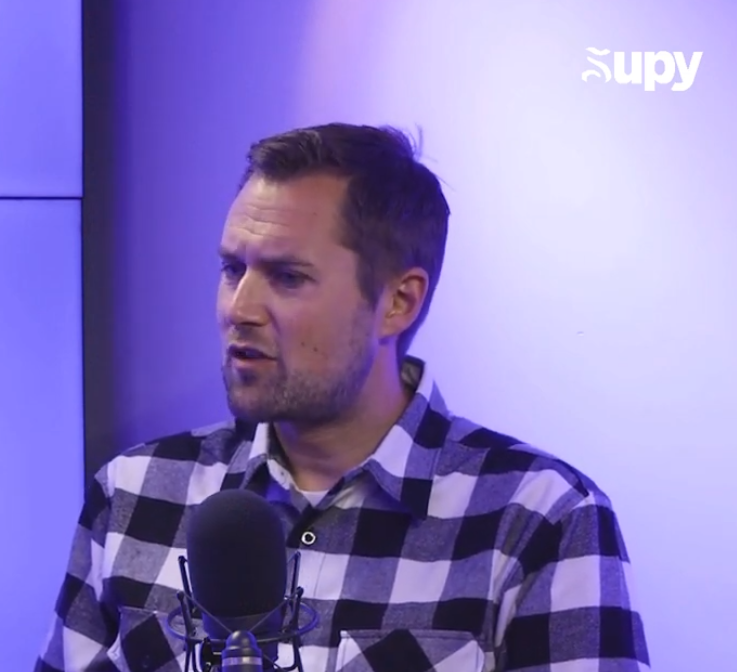
Guest & host

ملخص الحلقة
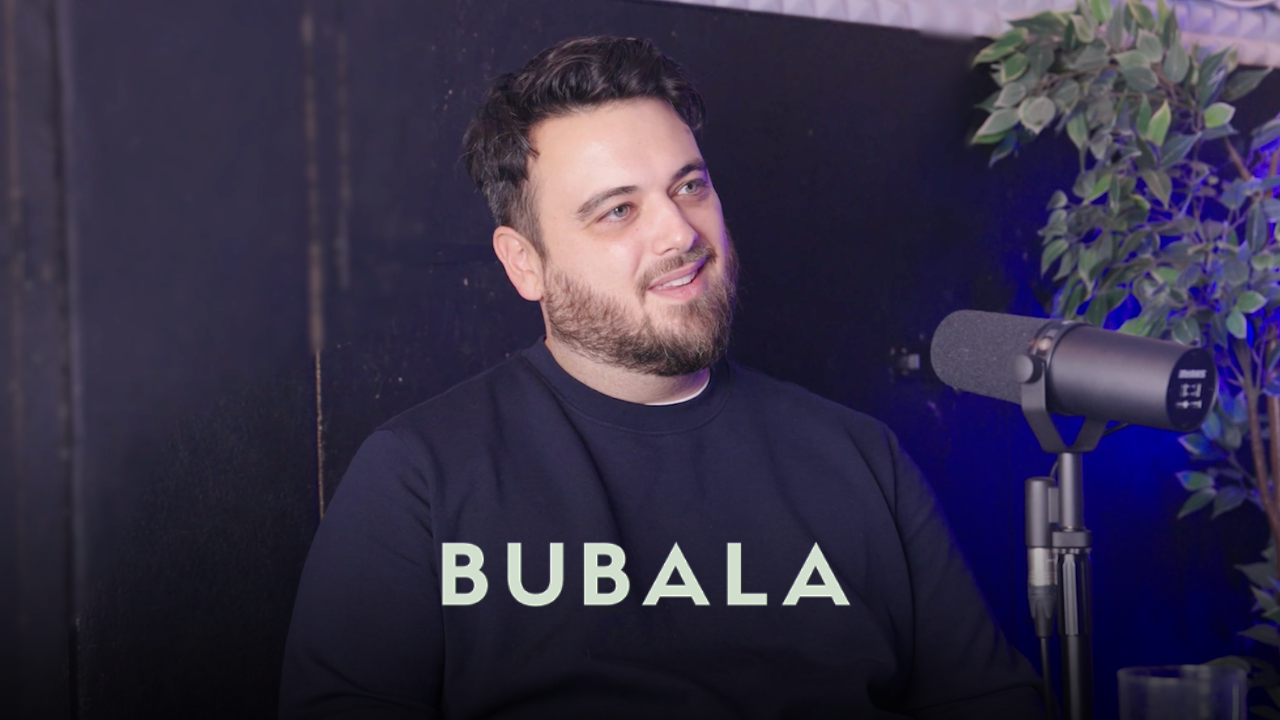
معظم المطاعم التي تبدو وكأنها نجحت بين عشية وضحاها قضت سنوات تصبح كذلك. Bubala ليست استثناءً. في هذه الحلقة، يكشف Mark Summers الستار عن عامين من البوب-أب، وأول افتتاح لستة أسابيع، وماكينة قهوة أوقفت الكهرباء ليلة الافتتاح، والعمل البطيء المتعمد لبناء ثقافة تمتد الآن على ثلاثة مواقع ومكتب دعم متنامٍ.
تتناول المحادثة الثمن الحقيقي للتوسع — مالياً وتشغيلياً وشخصياً — ولماذا يمكن لأشهر مطعم في العالم أن يفلس إذا لم تكن الأساسيات صحيحة. من خفض قائمة الطعام المحددة إلى £39، إلى توظيف مدير عام قبل ستة أشهر من الافتتاح، إلى استخدام البيانات والحدس بالتساوي، يقدم Mark واحدة من أكثر الروايات الواقعية والصادقة حول نمو المطاعم متعددة المواقع.
دروس مستفادة من الحلقة
بنى Mark مطعم Bubala من الصفر — بلا دعم خارجي، ولا اختصارات، ولا شبكة أمان. كل درس في هذه الحلقة اكتُسب في الميدان.
النجاح الفوري يستغرق سنوات
قبل افتتاح موقع Spitalfields لـ Bubala، قضى Mark عامين في إقامة بوب-أب. لم يكن بناء ضجة — بل اختبار وإنصات وإزالة أي شيء لم يُعجب الضيوف. بما فيه الأطباق التي كان يعتقد شخصياً أنها رائعة.
الدرس: إثبات صحة المفهوم قبل الالتزام بمبنى دائم ليس تحفظاً. إنه العمل الحقيقي.
اترك غرورك عند الباب
أحد أوضح المبادئ التي يدير بها Mark مطعم Bubala: إذا لم يكن الطبق ناجحاً، فانزعه. فوراً. لا تروّج له. لا تحاول إقناع الضيوف بأنهم مخطئون.
ينطبق هذا بالقدر ذاته على قرارات القائمة وعلى القيادة. المشغّلون الذين ينجحون في التوسع هم الذين يرغبون في الخطأ بسرعة والمضي قدماً دون تأثر عاطفي.
إنه مطعم شرق أوسطي يصادف أنه نباتي
كان تموضع Bubala متعمداً من اليوم الأول. ليس مطعماً نباتياً، وليس مفهوماً للنباتيين الصارمين. إنه مطعم شرق أوسطي لا يقدم اللحوم — بناه شخص ليس نباتياً بنفسه.
هذا التمييز يغير كل شيء. القائمة مبنية حول الملمس والأومامي وملامح النكهة. يُنهي الضيوف وجبتهم بانتظام دون أن يدركوا أنه لا يوجد لحم في القائمة. هذا هو الهدف.
التركيز على الخضراوات يمنحك هامشاً إضافياً — لكنه لا يجعلك محصّناً
الخضراوات أرخص من اللحوم. منح ذلك Bubala هامش بداية أقوى قليلاً. لكن ست سنوات من تضخم التكاليف محت تلك الميزة كلياً. ارتفعت قائمة الطعام المحددة من £30 إلى £46 دون أي ربح إضافي في نهاية المطاف.
ردّ Mark: خفّضها إلى £39. لأن إدراك القيمة يهمّ بقدر ما يهمّ الرقم نفسه. الضيوف الذين يغادرون قائلين إن القرار كان واضحاً يعودون. الضيوف الذين يغادرون بشعور أنهم دفعوا أكثر مما ينبغي لا يعودون.
الثقافة لا تتوسع من تلقاء نفسها — يجب بناؤها عن قصد
عند الانتقال من موقع إلى موقعين، قرر Mark توظيف المدير العام ومساعده لـ Soho قبل ستة أشهر من الافتتاح. كان مكلفاً. وكان أيضاً أفضل قرار اتخذه.
أمضى هذان التوظيفان الوقت في فهم ما يمثله Bubala قبل أن يمرّ ضيف واحد من الباب. كانت الثقافة عند الافتتاح قوية بسبب ذلك. وبحلول King's Cross، جاء فريق الإدارة تقريباً بالكامل من موظفي Bubala الحاليين — أشخاص عاشوا الثقافة لمدة عام على الأقل قبل أن يُطلب منهم نقلها إلى مكان جديد.
أنت الثقافة في موقع واحد. في ثلاثة مواقع، تحتاج إلى نظام.
في موقع واحد، تحمل طاقة المؤسس كل شيء. عند التوسع إلى ما هو أبعد من ذلك، يجب توثيق الثقافة وتدريسها والتوظيف وفقاً لها بشكل متعمد.
يعمل Bubala الآن على تحديد ما يبحث عنه تحديداً في القادة — متجاوزاً الحدس نحو إطار أوضح لتحديد الأشخاص الذين سيحملون الثقافة مع نمو المجموعة.
الفوز بلقب أسعد بيئة عمل كان أفخر اللحظات — لا جائزة طعام
تمت التصويت على جائزة أسعد بيئة عمل من قِبل فريق Bubala نفسه. يصفها Mark بأنها أفخر لحظة في إدارة العمل — ليس لأن الثقافة كانت الهدف الأصلي، بل لأن الفريق اختار قول ذلك بنفسه.
في صناعة تتميز بمعدل دوران عالٍ والإرهاق الوظيفي، يعني تصويت الثقة هذا من الأشخاص الذين يؤدون العمل كل يوم أكثر من أي مراجعة نقدية.
التكنولوجيا مفيدة فقط إذا استخدمتها بشكل صحيح
يستخدم Bubala تطبيق Tenzo لتجميع البيانات عبر جميع المواقع في مكان واحد. الرؤى التي يقدمها غيّرت طريقة اتخاذ القرارات — لكن Mark واضح في أن البيانات وحدها ليست الإجابة. ما يجدي هو مزيج من الحدس والبيانات. التكنولوجيا غير المستخدمة بكامل إمكانياتها تكاد تكون عديمة الفائدة.
إضافة All Gravy القادمة للتواصل الداخلي تعكس اختياراً متعمداً: لا مجموعات WhatsApp، وحدود واضحة بين العمل والحياة الشخصية، وثقافة عدم الإزعاج التي تحمي الفريق حين يكونون خارج وقت العمل.
أشهر مطعم في العالم يمكنه الإفلاس في الوقت ذاته
الطعام والمشروبات والخدمة ضرورية لكنها غير كافية. فواتير المرافق، وأسعار معالجة المدفوعات، وشروط الإيجار، وقيود التخزين، وتكاليف التحضير — النظام البيئي للمطعم ضخم، وأي متغير من هذه المتغيرات يمكنه بهدوء أن يأكل هامشاً كان يبدو صحياً على الورق.
نصيحة Mark: اعرف أرقامك. ليس الأرقام الرئيسية فحسب. جميعها.
كن مستعداً للفوضى — وتخيّلها ذهنياً مسبقاً
نهج Mark في كل خدمة هو الدخول متسائلاً ما الذي سيسوء اليوم؟ ليس من قلق — بل من استعداد. المشغّلون الذين يدخلون آملين في خدمة سلسة هم من يصابون بالذعر حين لا تكون كذلك. المشغّلون الذين يتوقعون حدوث خطأ ما يكونون هادئين بالفعل حين يحدث.
ليلة الافتتاح في Spitalfields — ماكينة قهوة تغرق الكهرباء، ولا نظام EPOS، وفواتير مكتوبة بخط اليد، وضوء الشموع في المطبخ — لم تكن كارثة. كانت قصة. لا تزال تُروى بابتسامة.

Ready to optimize your restaurant operations?
قصص واقعية من رواد قطاع الأغذية والمشروبات
.png)
.png)
.png)
.png)
.png)



.png)
.png)
.png)

.png)
.png)

.png)
.png)
.png)
هل أنت مستعد لتطوير عملياتك؟
انضم إلى أكثر من 3500 مُشغلي مطاعم يخفضون التكاليف، ويبسطون العمليات، ويتخذون قرارات أكثر ذكاءً مع Supy
