.jpeg)


Das Geheimnis hinter TGI Fridays' 2-Milliarden-Dollar-Comeback
.png)
Watch extracts
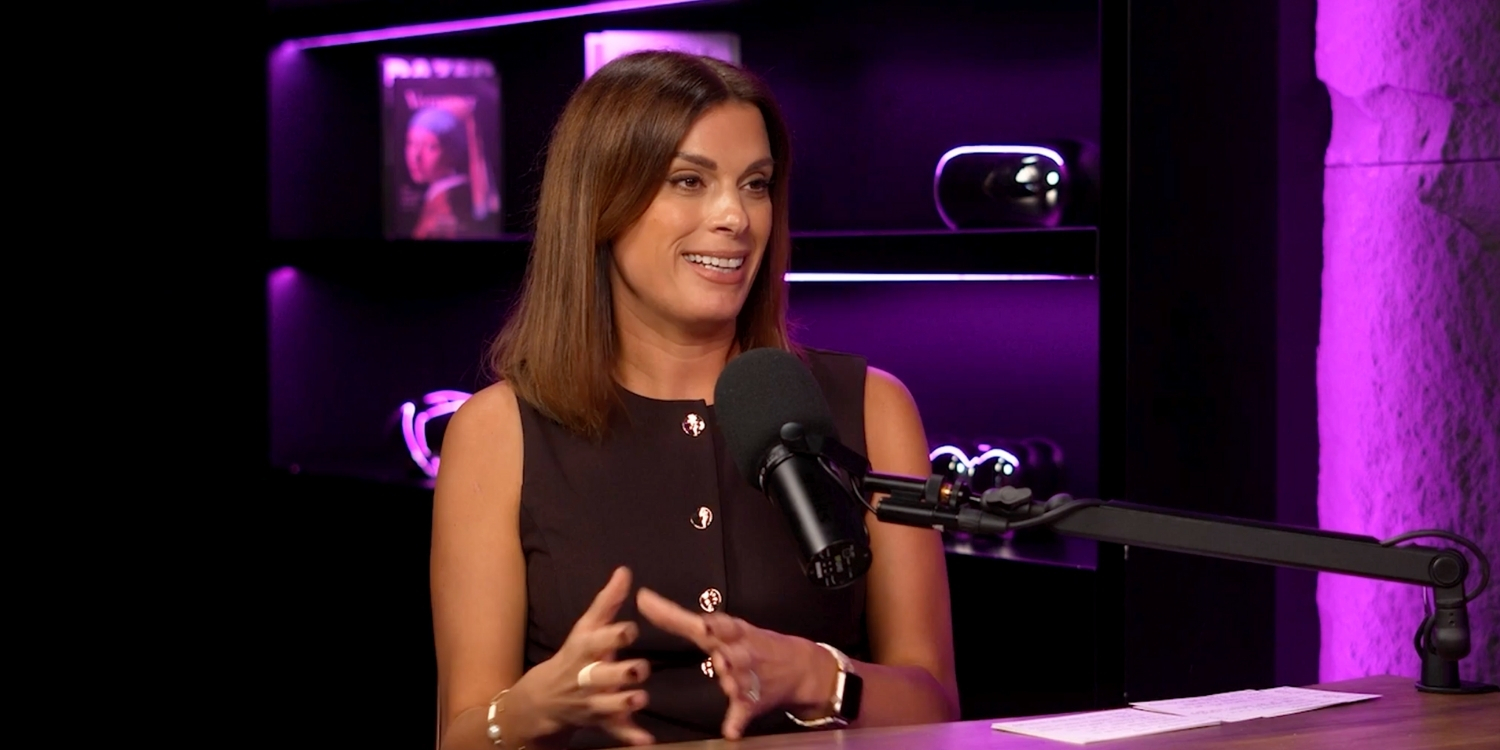
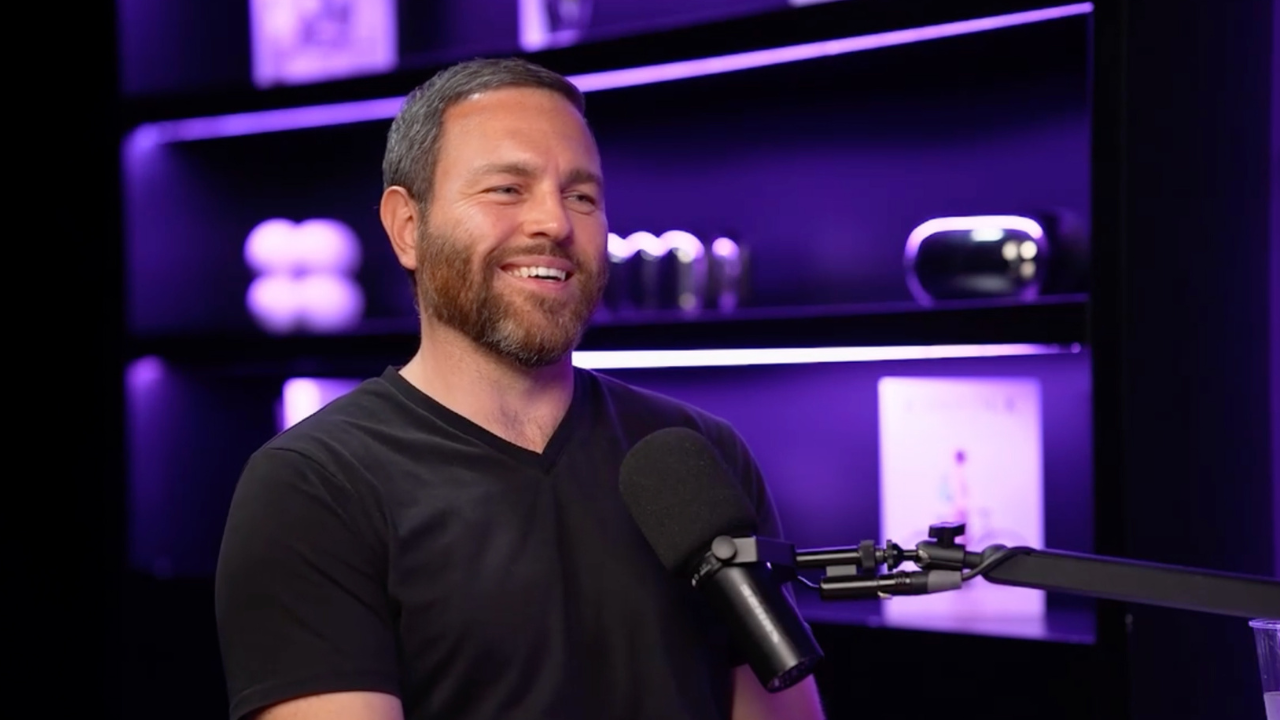
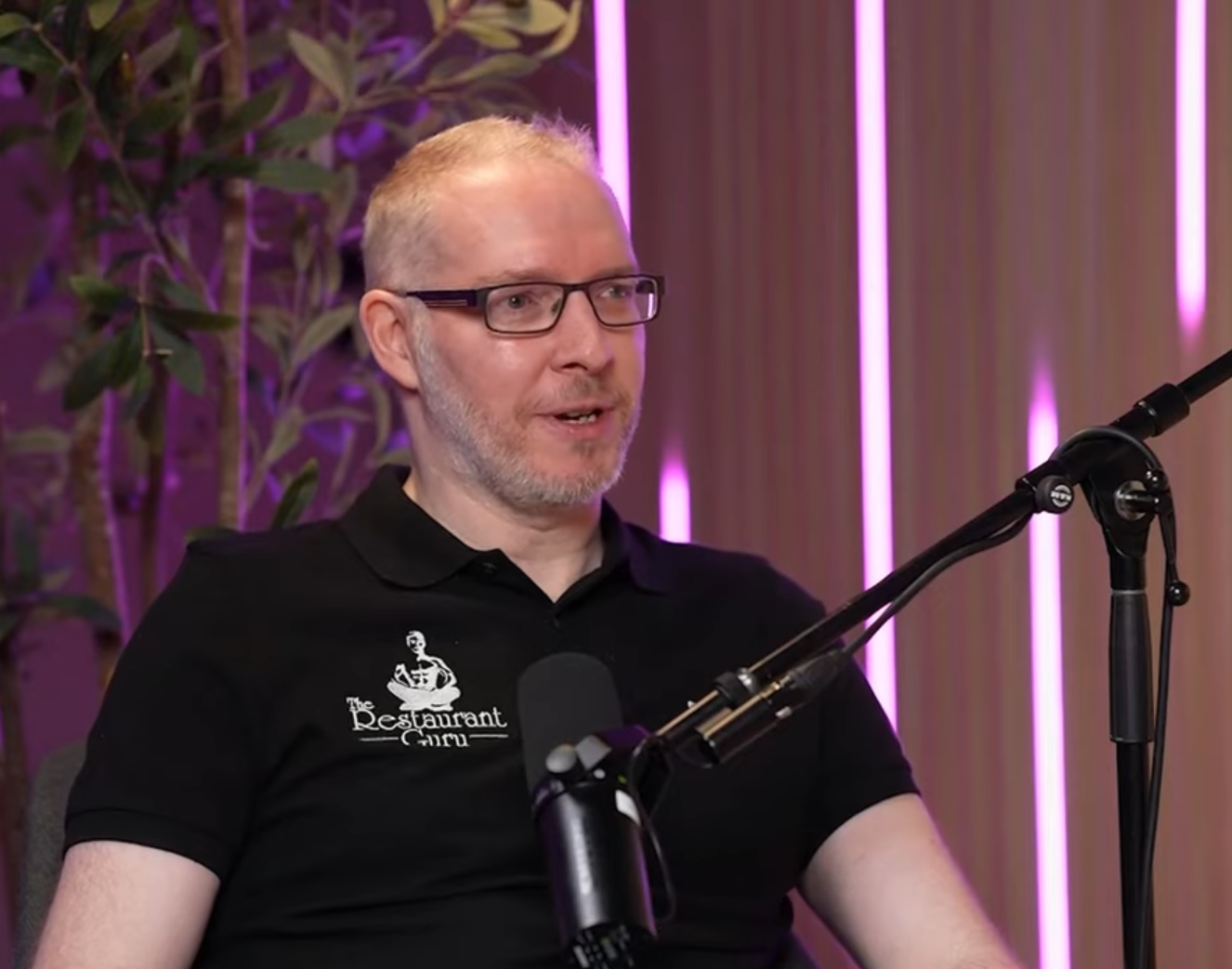
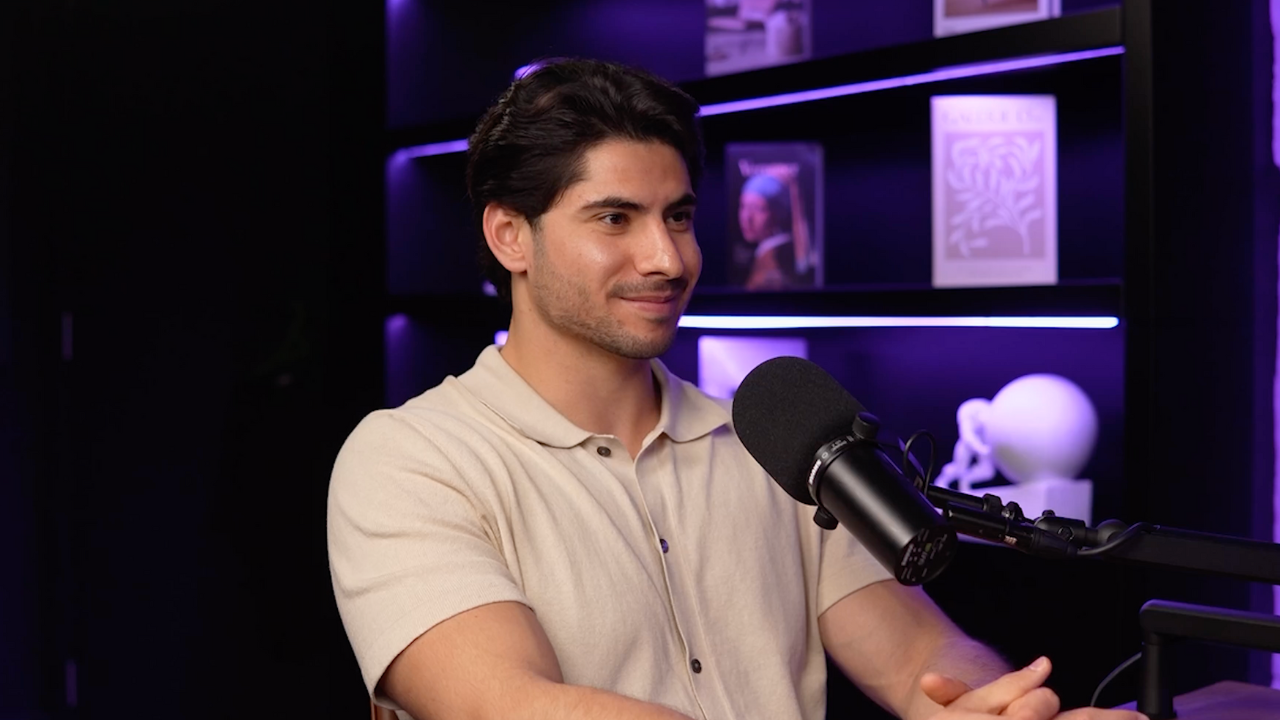
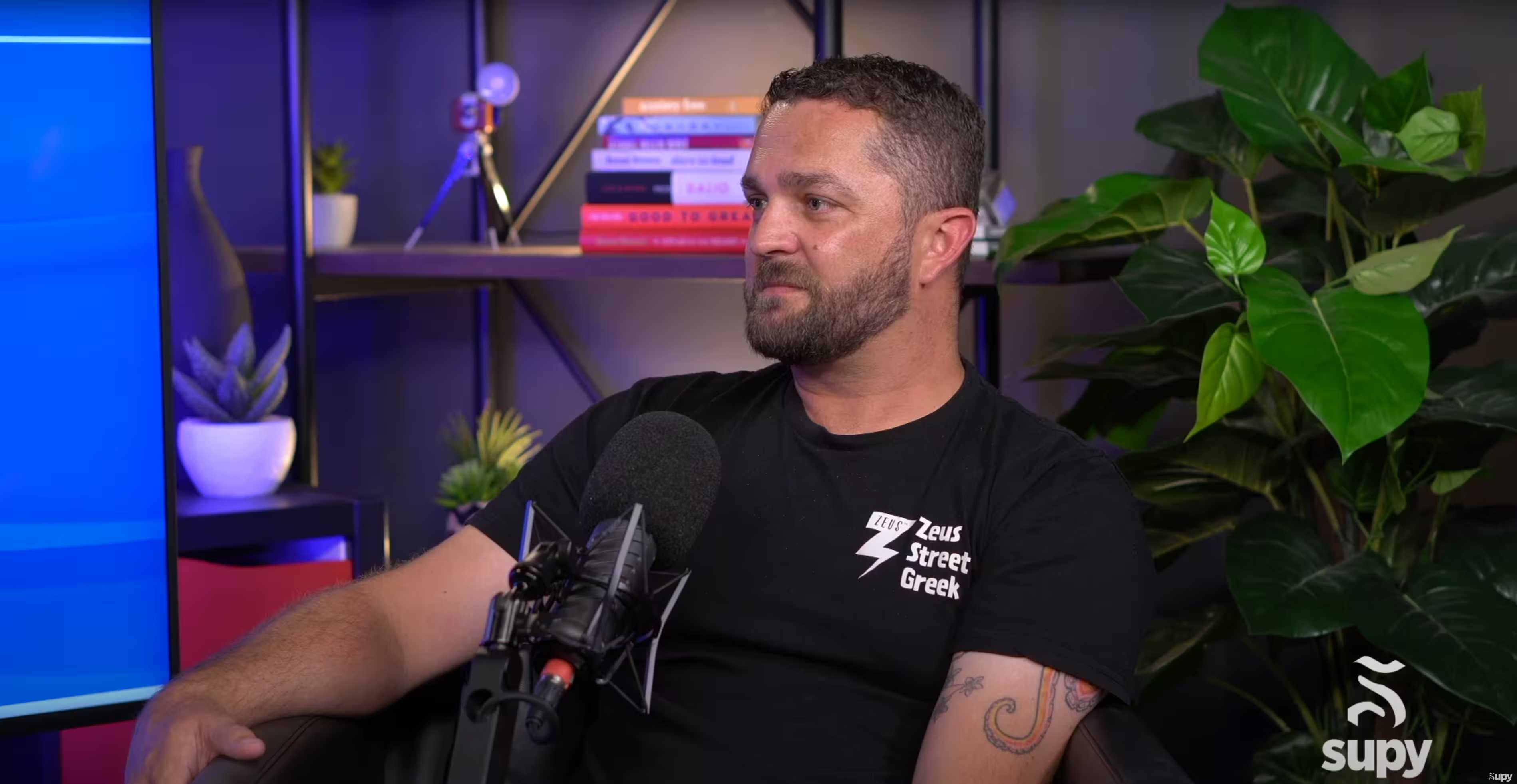
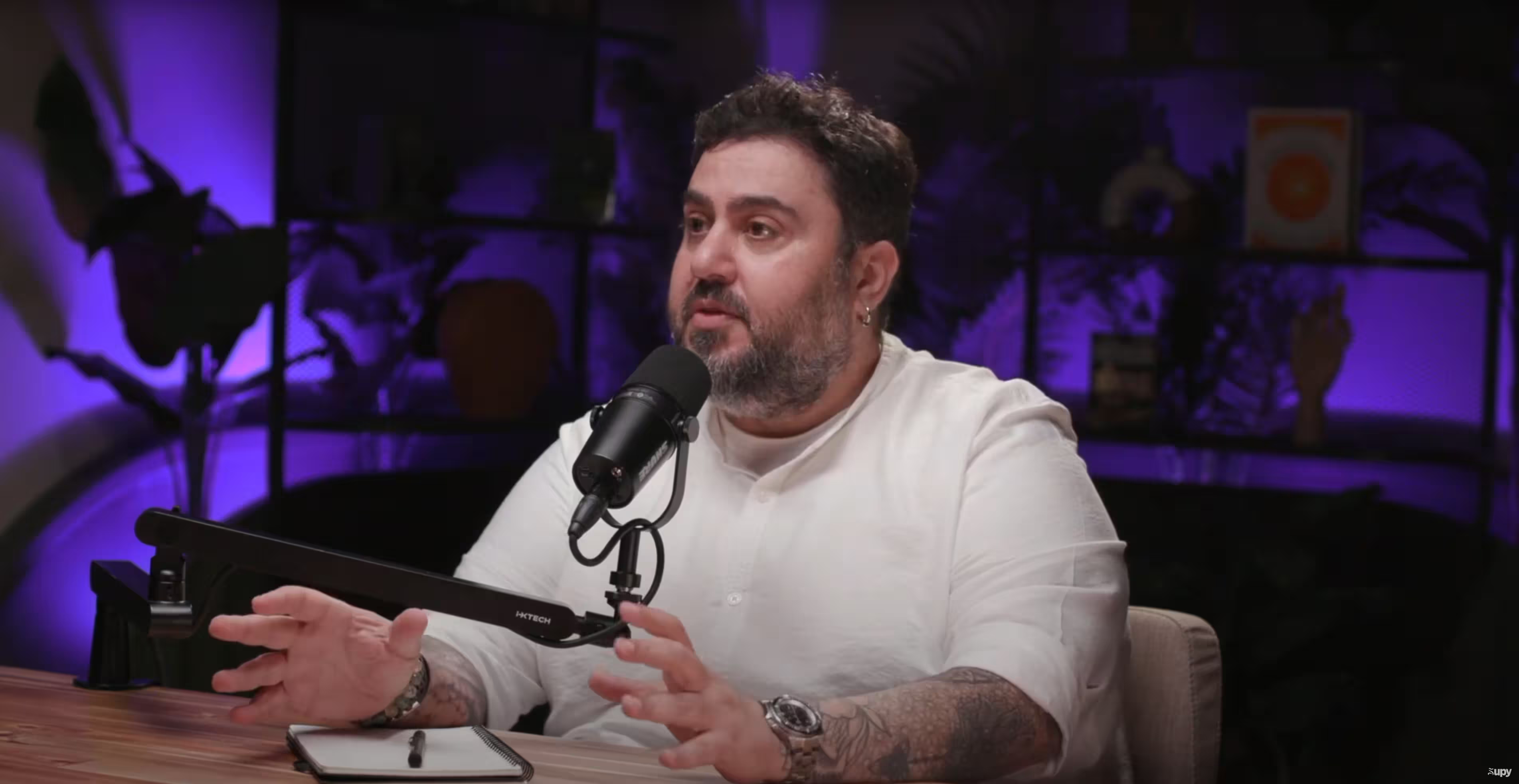
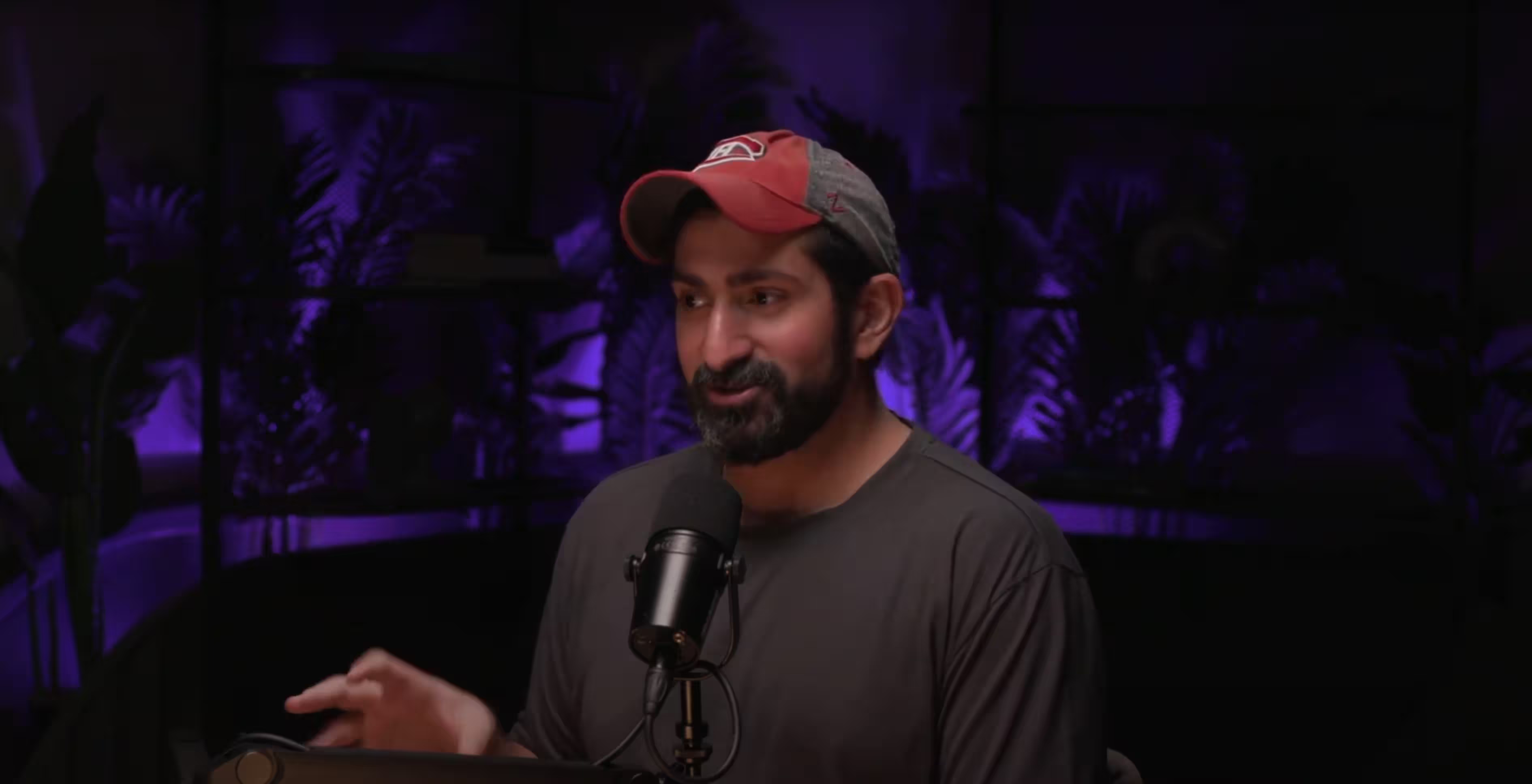
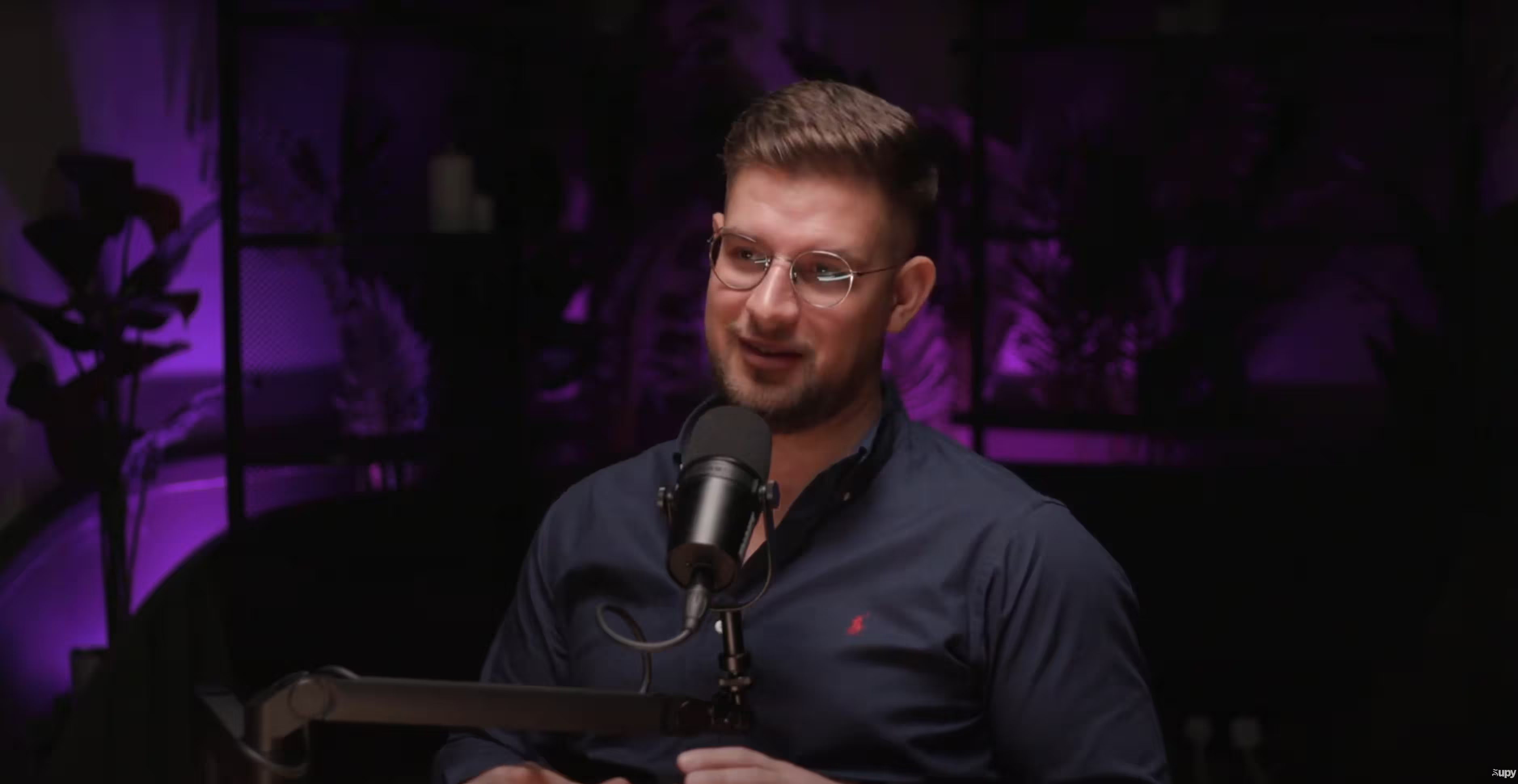
Guest & host

Zusammenfassung der Folge
Die meisten Restaurantmarken, die einen Bankrott überleben, kommen nicht gestärkt zurück. TGI Fridays – mit einem gedruckten Playbook in den Händen jedes Mitarbeiters und dem Ziel, bis 2030 einen Umsatz von $2 Milliarden zu erzielen – will die Ausnahme sein.
In dieser Folge spricht Phil Broad, Global President von TGI Fridays, mit Curran darüber, was in den USA wirklich schiefgelaufen ist und wie das Comeback von innen aussieht. Phils Verbindung zur Marke reicht drei Jahrzehnte zurück, bis zu seiner Eröffnung des Restaurants in High Wycombe im Vereinigten Königreich – einer Ära, in der neun der elf umsatzstärksten Fridays weltweit britisch waren. Seitdem führte seine Karriere ihn über Pizza Hut und Starbucks – wo er 750 Filialen aufbaute – zu Outback Steakhouse, Tesco und Führungspositionen in der gesamten GCC-Region. Im Februar, einen Tag nach Renteneintritt, erhielt er einen Anruf, ob er wieder aktiv werden wolle. Er dachte zehn Sekunden darüber nach.
Das Gespräch beleuchtet die Venture-Capital-Eigentümerschaft, die Kapital aus dem Unternehmen abzog – zuerst wurden Schulungen gestrichen, dann verließen erfahrene Mitarbeiter das Unternehmen, das Gasterlebnis verschlechterte sich und die Umsätze sanken. Gleichzeitig geht es um die laufenden Reinvestitionen: den Rückkauf der britischen Standorte, von denen 24 der übernommenen Restaurants keine funktionierende Heizung hatten, die Neuauflage der ikonischen rot-weißen Streifen und die Unterzeichnung von 150 neuen Restaurants in zwölf Monaten in Japan, Peru, Kenia, den Malediven, dem Balkan und Mexiko.
Vom Mopp und Eimer, den ihm ein Freund einst als Turnaround-Strategie für Starbucks überreichte, über die 70/20/10-Regel, die ein globales Menü zugleich einheitlich und lokal hält, bis hin zur Geschichte einer Krankenschwester in Kuwait, die seine gesamte Führungsphilosophie zum Ausdruck bringt – dies ist eines der ehrlichsten und unterhaltsamsten Gespräche über den Wiederaufbau einer globalen Marke, das Sie je hören werden.
Lektionen aus der Folge
Phil Broad hat drei Jahrzehnte damit verbracht, einige der bekanntesten Restaurantmarken der Welt zu eröffnen, zu führen und zu retten. Jede Lektion hier wurde auf dem Restaurantboden erarbeitet – von High Wycombe über Kuwait bis Dallas.
Unternehmen sterben nicht an schlechten Produkten – sie sterben an Eigentümern, die sie wie Geldautomaten behandeln
Phil ist ungewöhnlich direkt darüber, was TGI Fridays Inc. in den Bankrott getrieben hat: Venture-Capital-Eigentümerschaft, die Kapital aus dem Unternehmen zog, anstatt es zu investieren. Als Erstes wurden Schulungen gestrichen. Dann verließen erfahrene Mitarbeiter das Unternehmen, das Gasterlebnis verschlechterte sich und die Umsätze sanken – langsam, dann auf einmal.
Den Beweis fand die neue Eigentümerschaft, als sie im Januar die britischen Standorte zurückkaufte. Von den übernommenen Restaurants hatten 24 keine funktionierende Heizung. Die Substanz des Unternehmens war jahrelang still abgetragen worden.
Seine Einordnung ist die, an die sich jeder Betreiber erinnern sollte: Ein Restaurantunternehmen ist kein Geldautomat. Man kann nicht ständig Geld abziehen – man muss es wieder auffüllen. Brian Niccol macht es gerade bei Starbucks. Fridays macht es jetzt. Die Eigentümer, die das verstehen, bauen Marken, die Jahrzehnte überdauern. Diejenigen, die es nicht verstehen, sorgen für Schlagzeilen über Bankrott.
Einen Franchisenehmer auswählen ist wie eine Braut wählen
Ein Fridays-Franchisevertrag läuft bis zu zwanzig Jahre – ein Zehn-plus-Zehn-Vertrag, den Phil nach der Unterzeichnung als unumstößlich betrachtet. Die Sache ist erledigt. Handschlag. Das Geschäft gemeinsam auf Win-Win-Basis aufbauen.
Diese Dauerhaftigkeit verändert, wie er Partner bewertet. Er verbringt Stunden in Gesprächen, bevor er jemanden überhaupt trifft, und testet auf Dinge, die kein Vertrag durchsetzen kann: Sind sie gleichgesinnt, teilen sie dieselben Werte, wird sein Team mit deren Team auskommen? Der Kitt, der Marke und Kultur zusammenhält, ist wichtiger als jede Klausel.
Die Disziplin gilt in beide Richtungen. Fridays weiß, wann man Gas gibt und wann man bremst – einschließlich des gezielten Verlangsamens von Franchisenehmern, wenn sie schneller wachsen, als ihre Betriebsabläufe unterstützen können. Eine zwanzigjährige Ehe überlebt durch Urteilsvermögen, nicht durch Enthusiasmus.
Die 70/20/10-Regel: Wie eine globale Marke gleichzeitig konsistent und lokal bleibt
Fridays verfügt über eine Rezeptdatenbank mit tausend Rezepten, und das Menü jedes neuen Marktes folgt derselben Struktur. Siebzig Prozent sind vorgeschriebener Kern – die Ribs, gegrillte Gerichte und ikonischen Speisen, die ein Fridays überall auf der Welt zu einem Fridays machen. Zwanzig Prozent wählt der Franchisenehmer aus der Rezeptdatenbank aus und entscheidet, was zu seinem Markt passt. Die abschließenden zehn Prozent sind echte lokale Flexibilität – gemeinsam kreierte Gerichte für lokale Geschmäcker, wie mehr vegetarische und reisbasierte Optionen auf den Philippinen.
Die Philosophie hinter den Zahlen ist das, was es zum Funktionieren bringt. Wie Phil es ausdrückt: Wer sind wir, um einem Franchisenehmer zu diktieren, der Staatsbürger ist und dort lebt? Wenn sie an ein Gericht glauben, unterstützt Fridays sie und stellt sicher, dass es richtig umgesetzt wird.
Das ist der operative Ausdruck des Ehe-Prinzips – genug Struktur, um die Marke zu schützen, genug Vertrauen, um den Partner zu respektieren.
Die zwei Kennzahlen, die zählen: Umsatz und das Wohlbefinden Ihrer Mitarbeiter.
Fragt man Phil, welche Zahl zählt, ist seine Antwort sofort: Umsatz. Seine Begründung ist nüchtern – man kann mit jedem Vermieter sprechen, jede Arbeitsstunde kürzen, jede Zeile der GuV stutzen, und die Person, die letztendlich darunter leidet, ist der Gast. Umsatzrückgang ist das eine Problem, aus dem man sich nicht herausmanagen kann; man kann sich nur durch Verkaufen daraus befreien, mit einem umsatzorientierten Plan und einem Erlebnis, das zum Wiederkommen einlädt.
Diese Philosophie zieht sich durch alles, was das neue Fridays tut. Die Markenentwicklung war jahrelang zu langsam – daher gibt es jetzt ein 160-Quadratmeter-Format in Japan, wo Restaurants früher 500 Quadratmeter benötigten, einen Franchisenehmer in Melbourne, der KI-Shuffleboard neben den Margaritas installiert, ein neues POS-System, das ausgerollt wird, denn wie Phil sagt: Der Unterschied zwischen einem guten und einem schlechten System liegt darin, ob ein Manager um ein Uhr morgens oder um vier nach Hause kommt. Sogar die Schulung wurde neu aufgebaut – kurze, prägnante Video-Einheiten eines Schulungsteams aus Dubai, die durch mehrsprachige Avatare der Führungskräfte selbst übermittelt werden.
Nichts davon ist Kostensenkung. All das ist Investition in die zwei Dinge, von denen Phil glaubt, dass sie die Zahl wirklich antreiben: das Gasterlebnis und die Menschen, die es liefern.
Kultur ist das Betriebssystem – und sie muss gelehrt, erzählt und wieder erzählt werden
Eine Stunde mit Phil zu verbringen lässt einen bemerken, wie viel seiner Führung durch Geschichten vermittelt wird. Die Symbole, die in jedem Fridays verborgen sind – der Pfau für den Stolz des Teams, Abraham Lincoln für Integrität, der Elefant, der auf einem Ball balanciert, für Work-Life-Balance, die Stahlstangen-Theorie, das Dreieck, das Gast, Unternehmen und Mitarbeiter ausbalanciert. Nichts davon ist Dekoration. So verinnerlichen tausende Menschen in Dutzenden von Ländern, was die Marke erwartet, ohne ein Handbuch lesen zu müssen.
Dieselbe Intentionalität zeigt sich überall in der Folge. Eine globale Konferenz, die 2019 zum ersten Mal wieder stattfindet, mit der World Bartender Challenge und einem $10,000-Preisgeld, weil Feiern Teil des Systems ist. Eine Unterstützungsstruktur, aufgeteilt auf drei Büros – die Vereinigten Staaten, die Vereinigten Arabischen Emirate, das Vereinigte Königreich – damit Wohlbefinden und Work-Life-Balance in einem 24-Stunden-Globalbetrieb erhalten bleiben. Eine Führungsgewohnheit, einem zu spät erschienenen Mitarbeiter zu fragen, wie es ihm geht, nicht warum er zu spät kommt. Und unter alldem der beste Rat, den Phil je erhalten hat, von Howard Schultz: Führen Sie mit dem Herzen.
Sein eigenes Erfolgsmaß bringt es besser auf den Punkt als jedes Werte-Poster – egal welchen Job er annimmt, seine erste Aufgabe ist es, seinen eigenen Nachfolger zu finden. Setzen Sie auf Menschen, entwickeln Sie sie intern und die Kultur trägt sich selbst fort.
Ready to optimize your restaurant operations?
More stories from F&B leaders
.png)
.png)
.png)

.png)





Bereit, Ihre Abläufe zu transformieren?
Schließen Sie sich mehr als 3.500 Restaurantbetreibern an, die mit Supy Kosten senken, Abläufe optimieren und klügere Entscheidungen treffen.
