.jpeg)


Restaurant-Marketing-Strategie: Was Multi-Standort-Betreiber tun, um Tische zu füllen – ohne Rabatte
.png)
Seien wir ehrlich: Restaurant-Marketing war früher einfacher. Ein paar schöne Tellerfotos posten, ein saisonales Angebot schalten, Google aktuell halten und darauf hoffen, dass die Mundpropaganda den Rest erledigt.
Im Jahr 2026 ist das Gastronomiegeschäft wettbewerbsintensiver als je zuvor, und die Marken, die gewinnen, servieren nicht nur besseres Essen – sie bauen bessere Geschichten, intelligentere Systeme und tiefere Verbindungen zu ihren Gästen auf.
Gäste entdecken Restaurants über Kurzvideos, Empfehlungen von Creators, Bewertungsplattformen und „in meiner Nähe"-Suchen, die blitzschnell ablaufen. Dann erwarten sie sofortige Antworten, aktuelle Speisekarten und eine Marke, die authentisch wirkt – nicht überproduziert. Social Media ist nicht mehr nur „Bewusstsein". Es ist oft der erste Berührungspunkt auf der Kaufreise und der Ort, an dem Vertrauen aufgebaut oder verloren wird.
Lesen Sie unseren Leitfaden zu den Restaurant-Marketing-Strategien, die 2026 wirklich etwas bewirken – kombiniert mit den neuesten digitalen Trends und hart erarbeitetem Know-how von Betreibern, die Marken in echtem Tempo skaliert haben. Mit praktischen Schritten, die Sie in einem oder zwanzig Standorten umsetzen können.
Die große Verschiebung: Marketing ist jetzt ein unabhängiges Betriebssystem.
Die stärksten Restaurant-Marken „kampagnieren" nicht die ganze Zeit. Sie betreiben ein System:
- Social-Content erzeugt Nachfrage
- Bewertungen und Google wandeln Kaufabsicht um
- E-Mail und Kundenbindung halten Kunden
- Influencer beschleunigen Vertrauen
- KI hilft Teams, konsistent zu handeln und schneller zu erkennen, was funktioniert
Mit anderen Worten: Ihr Restaurant-Marketingplan muss vernetzt sein, nicht verstreut.
Vor einigen Jahren bedeutete Restaurant-Marketing ein gutes Instagram-Konto, einen Google Maps-Eintrag und vielleicht einige Lieferapp-Promotionen. Das ist immer noch Teil des Werkzeugkastens – aber nur ein Bruchteil von dem, was heute erforderlich ist.
Die Gäste von heute entdecken Restaurants durch ein TikTok-Video, das von einem Fremden gedreht wurde. Sie recherchieren Sie auf Google, bevor sie überhaupt Ihre Website öffnen. Sie erwarten personalisierte Kommunikation, ein nahtloses Online-Bestellerlebnis und einen Grund, treu zu sein – nicht nur zufrieden. Und sie spüren sofort, wenn eine Marke authentisch wirkt, versus wenn sie von einem Komitee zusammengestellt wurde.
1. Bauen Sie eine Markenidentität auf, die wirklich etwas bedeutet
Bevor Sie einen einzigen Dirham oder Dollar für Werbung ausgeben, klären Sie, wofür Ihr Restaurant wirklich steht. Keine allgemeine Unternehmensphilosophie, sondern etwas, das Ihr Team spüren und Ihre Gäste sofort erkennen können.
Für wen sind Sie da? Familien, die einen entspannten Abend suchen? Büroangestellte, die ein verlässliches Mittagessen unter der Woche suchen? Paare, die etwas Besonderes feiern? Diese Klarheit sollte alles prägen – von Ihrer Speisekarte und Preisgestaltung bis hin zu Ihrem Tonfall und Ihrer visuellen Identität.
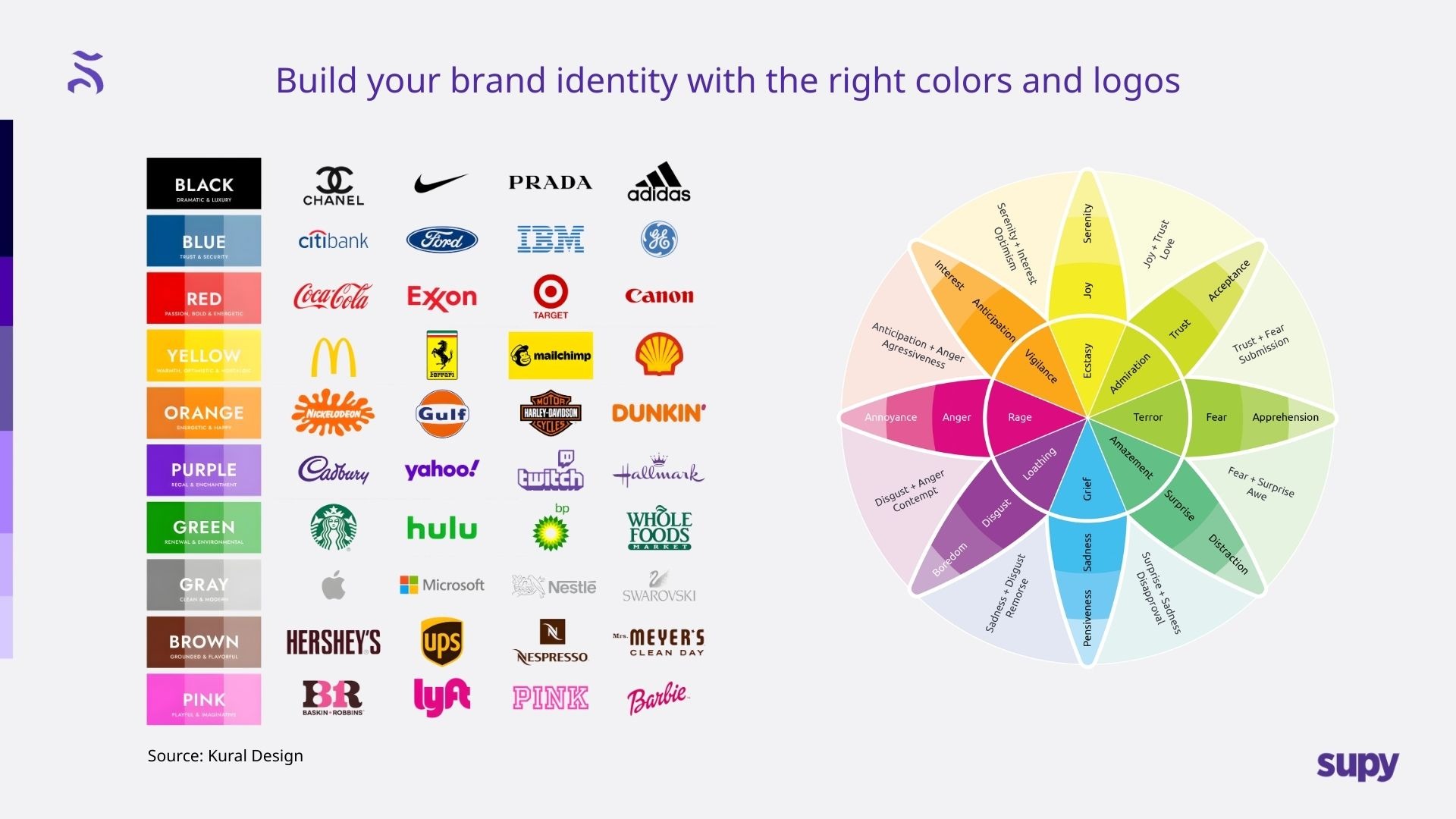
Ihre Marke ist nicht nur Ihr Logo oder Ihre Farbpalette, auch wenn diese wichtig sind. Lesen Sie mehr darüber, wie Farben Wahrnehmung und Verhalten beeinflussen, und Konsistenz über Ihre Speisekarte, Ihr Interieur, Social Media und Werbung hinweg schafft Vertrautheit. Aber die tiefere Ebene ist die Positionierung. Sind Sie das Stammrestaurant im Viertel, das Premium-Erlebnis oder der alltägliche Liebling?
In einem kürzlichen Podcast-Gespräch sprach Hospitality-Marketing-Expertin Amy Glover über die Bedeutung von Fokus. Marken, die versuchen, alle anzusprechen, verwässern oft das, was sie unvergesslich macht. Die Marken, die wachsen, sind jene, die sich auf ihre Stärken konzentrieren und alles um dieses Kernversprechen aufbauen.
„Wir waren schuldig, versucht zu haben, alles für alle zu sein. Wir haben uns entschieden, das zu verdoppeln, worin wir wussten, dass wir großartig waren – Steak. Nicht nur ein Steakgericht. Ein Steak-Erlebnis."
Im Jahr 2026 ist Markenklarheit wichtiger denn je. Social Media hat Authentizität sichtbar gemacht. Gäste bemerken Inkonsistenzen schnell. Konsistenz schafft Vertrauen, und Vertrauen treibt Wiederholungsbesuche an.
2. Bauen Sie eine Website, die so hart arbeitet wie Ihr Front-of-House-Team
Ihre Website ist der erste Eindruck, den Sie bei einem großen Teil Ihrer potenziellen Gäste hinterlassen. Die meisten Menschen schauen sich Ihre Website und Ihre Speisekarte an, bevor sie sich entscheiden, zu besuchen oder zu bestellen. Eine langsame, verwirrende oder visuell veraltete Website frustriert Menschen nicht nur. Sie verliert sie völlig.
Im Jahr 2026 ist die Messlatte höher. Ihre Website muss Mobile-First sein (weil die meisten Menschen mit ihren Smartphones surfen), schnell laden und Ihre Marke visuell repräsentieren. Tools wie Webflow, Squarespace und Wix haben es einfacher denn je gemacht, etwas Großartiges ohne Entwickler zu erstellen – aber das Prinzip bleibt: Ihre Website sollte sich wie eine Erweiterung Ihres Restaurants anfühlen, nicht wie ein Nachgedanke.
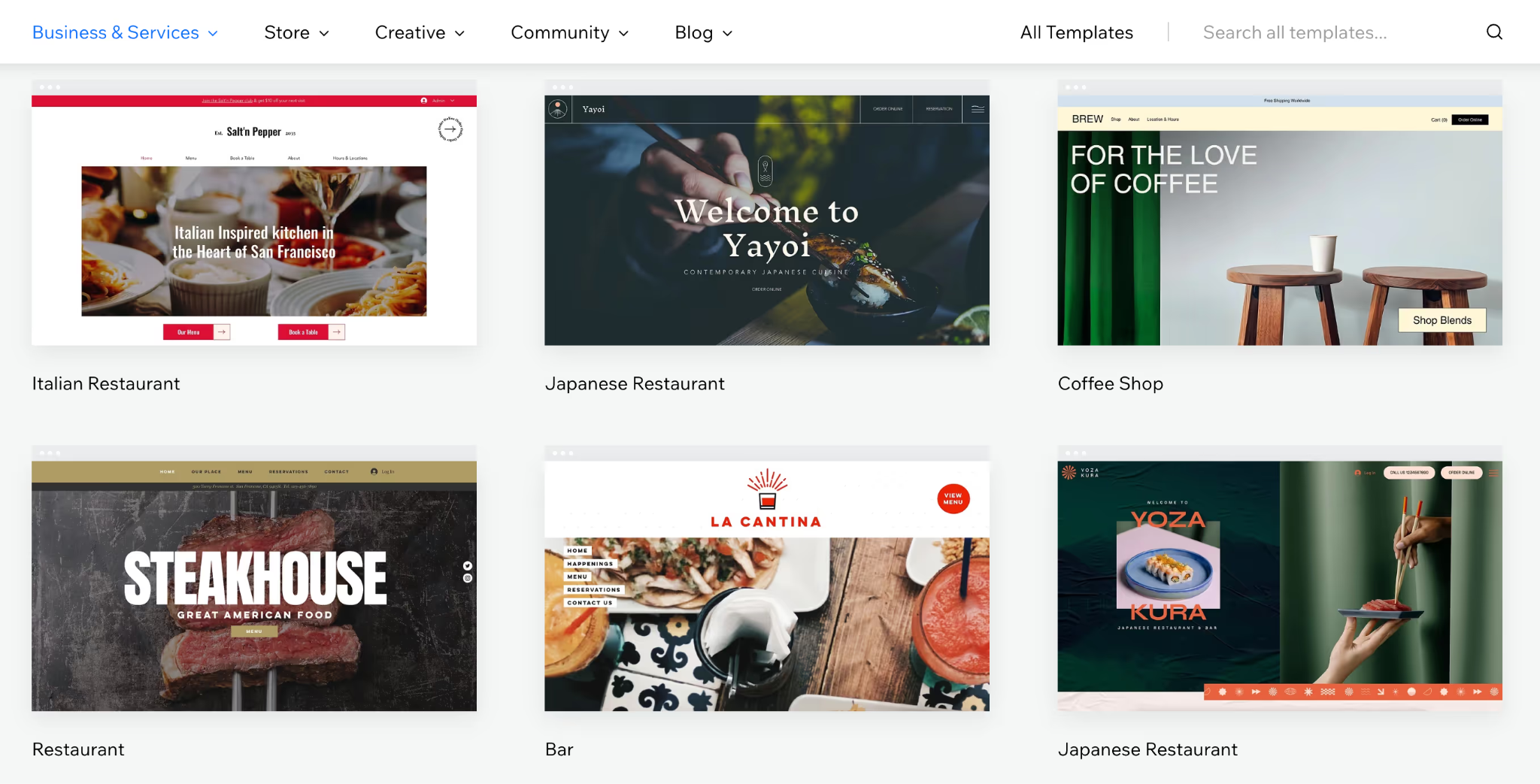
Mindestens sollte Ihre Website eine klare Online-Speisekarte, eine Reservierungs- oder Bestellintegration, Ihre Öffnungszeiten (aktualisiert für Feiertage), hochwertige Fotografie und eine einfache Möglichkeit für Gäste, Sie zu kontaktieren oder Ihren Standort auf einer Karte zu finden, enthalten.
Die Marken, die das richtig machen, behandeln ihre digitale Präsenz mit demselben Stolz wie ihren physischen Raum. Denn für viele Gäste ist die Website das Restaurant – bevor sie jemals durch die Tür treten.
3. Social-Media-Marketing: Von Präsenz zu Viralität
Social Media ist kein nettes Extra mehr. Es ist für viele Restaurants im Jahr 2026 der einzige größte Treiber für neue Gästeentdeckungen – und der am meisten unterschätzte Wachstumshebel für Marken, die es immer noch wie ein schwarzes Brett behandeln, anstatt als Storytelling-Plattform.
Die Verschiebung, die in den letzten zwei Jahren stattgefunden hat, ist tiefgreifend. Kurzvideos – auf TikTok, Instagram Reels und YouTube Shorts – haben verändert, wie Restaurants entdeckt werden. Ein dreißig Sekunden langes Video eines Käseziehens, einer theatralischen Gerichtspräsentation oder eines Moments hinter den Kulissen der Küche kann über Nacht Hunderttausende von Menschen erreichen. Das ist kein Glück. Viralität ist im Jahr 2026 zunehmend eine Strategie.
Die Marken, die in Social Media gewinnen, haben einige Gemeinsamkeiten. Sie posten konsistent – nicht unbedingt täglich, aber nach einem zuverlässigen Zeitplan, der sie im Feed ihrer Zielgruppe hält. Sie priorisieren Video, weil jeder wichtige Algorithmus im Jahr 2026 Kurzvideos stark gegenüber statischen Bildern bevorzugt. Sie verwenden Hooks in den ersten zwei Sekunden jedes Videos, weil Aufmerksamkeit die knappste Ressource im Internet ist. Und sie erstellen Content, der wirklich interessant anzusehen ist – nicht nur werbend.
Denken Sie daran, was Burger28 in den Vereinigten Arabischen Emiraten getan hat – informative, energiegeladene, appetitanregende Videos, die Menschen das Gefühl gaben, besuchen zu müssen, bevor sie überhaupt merkten, dass sie den Marketing-Content eines Restaurants sahen. Das ist der Maßstab.
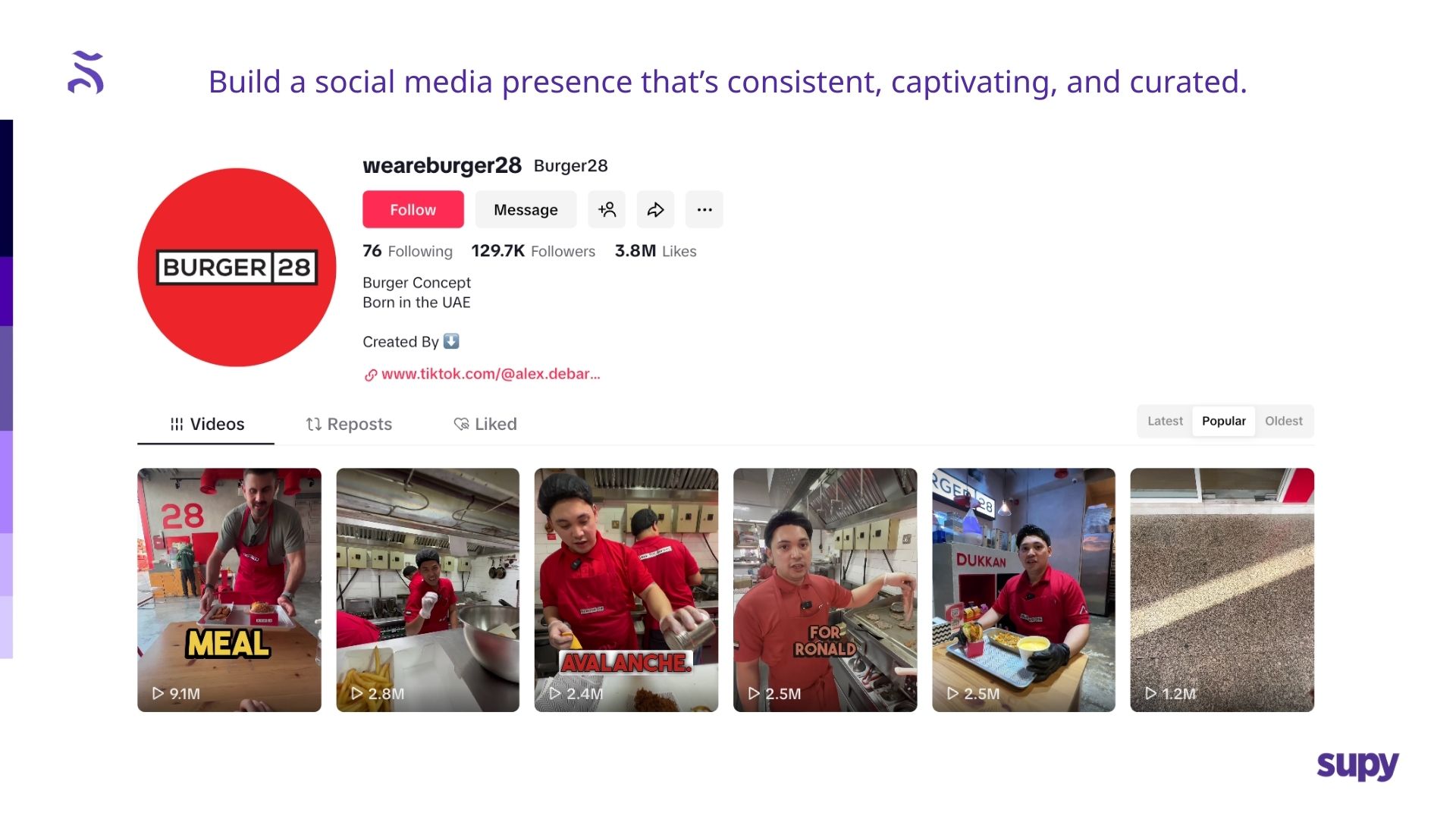
Hier sind die Restaurant-Social-Media-Marketing-Prinzipien, die 2026 gelten:
- Konsistenz über Perfektion. Posten Sie mindestens zwei- bis dreimal pro Woche. Der Algorithmus belohnt aktive Konten mehr als perfekte.
- Video zuerst. Reels und TikToks erzielen mehr organische Reichweite als Fotos. Investieren Sie in ein einfaches Filming-Setup – ein Ringlicht und ein Handy-Stativ bringen Sie weit.
- Zeigen Sie die Menschen, nicht nur die Teller. Der ansprechendste Restaurant-Content im Jahr 2026 zeigt Köche, Servicepersonal und sogar Stammgäste. Menschen verbinden sich mit Menschen.
- Verwenden Sie Hashtags strategisch. Recherchieren Sie die Hashtags, denen Ihre Zielgruppe in Ihrer Stadt oder Region tatsächlich folgt. Nische, lokale Hashtags schneiden oft besser ab als generische.
- Reagieren Sie zurück. Antworten Sie auf Kommentare. Beantworten Sie DMs. Stellen Sie Fragen in Ihren Beschriftungen. Social Media ist eine Unterhaltung, kein Rundfunk.
Trends ändern sich wöchentlich. Was effektiv bleibt, ist Konsistenz und Format.
Anstatt zu fragen „Was posten wir heute?", bauen Sie eine wiederholbare Content-Serie auf. Serieninhalte sind einfacher zu produzieren, leichter zu delegieren und für Kunden leichter zu erkennen.
Beispiele, die besonders gut für Restaurants funktionieren:
- „Was wir heute vorbereiten" (15–25 Sekunden, nur Hände, echte Küchenstimmung)
- „Empfehlungen des Personals" (ein Gericht, ein Satz, ein Grund)
- „Das Gericht hinter dem Gericht" (Zutat, Lieferant oder Methoden-Spotlight)
- „Das oder das" Speisekartendebatte (schnell, spaßig, kommentarfreundlich)
- „Neue Tagesangebote" (jedes Mal im gleichen Format)
Eine wichtige 2026-Realität: Zielgruppen wollen nicht unbedingt mehr Beiträge; sie wollen bessere Reaktionsfähigkeit und echtes Engagement von Marken.
4. Influencer-Marketing: Jenseits der großen Namen
Im Jahr 2026 geht es beim effektiven Influencer-Marketing für Restaurants nicht mehr darum, Mega-Creator für einen Beitrag zu bezahlen und auf Reichweite zu hoffen. Der echte Einfluss kommt von der Zusammenarbeit mit lokalen Micro-Influencern (5.000–100.000 Follower), die in Ihrer Region wirklich essen gehen und das Vertrauen einer hochengagierten Zielgruppe aufgebaut haben. Ihre Empfehlungen bewirken Handlungen, weil sie sich verdient anfühlen, nicht gesponsert.
Aktionsplan:
- Identifizieren Sie Creators, deren Zielgruppe Ihrem idealen Gast entspricht und deren Marke zu Ihrer passt.
- Priorisieren Sie diejenigen, die konsequent lokale Food-Inhalte posten und echtes Engagement erzeugen.
- Führen Sie eine einfache Kooperationsstruktur durch: Laden Sie sie ein, geben Sie eine kurze Marken-Einweisung, definieren Sie ein Filmfenster und setzen Sie klare Posting-Erwartungen.
- Fordern Sie Leistungen an, die Besucherströme antreiben, wie ein Kurzvideo (Reel/TikTok), eine Story mit Standort-Tag und eine klare „Must-Order"-Empfehlung.
- Organisieren Sie gelegentlich kuratierte Verkostungsevents, um gleichzeitigen Multi-Creator-Buzz zu erzeugen.
- Bauen Sie eine wiederverwendbare Creator-Liste auf und arbeiten Sie vierteljährlich zusammen, anstatt einmalige Kampagnen zu machen.
Wenn es gut gemacht ist, werden Micro-Influencer zu einer leistungsstarken Social-Proof-Maschine. Sie schaffen Drittanbieter-Glaubwürdigkeit schneller als bezahlte Werbung, und dieses Vertrauen konvertiert direkt in Buchungen und Besuche.
5. KI ist jetzt Teil des Marketing-Stacks jedes intelligenten Restaurants
Künstliche Intelligenz hat sich von einem Schlagwort zu einem praktischen Werkzeug im Restaurant-Marketing entwickelt – und im Jahr 2026 lassen Marken, die sie ignorieren, zunehmend Geld auf dem Tisch liegen.
Hier ist, wo KI im Restaurant-Marketing gerade einen echten Unterschied macht:
Personalisierte E-Mail- und SMS-Kampagnen. KI-Tools können die Bestellhistorie und das Verhalten von Gästen analysieren, um gezielte Angebote zu senden – keine allgemeinen Newsletter, sondern Nachrichten, die sich anfühlen, als wären sie speziell für diese Person geschrieben. Ein Gast, der jeden Freitag Pad Thai bestellt, erhält ein Freitagabendangebot für sein Lieblingsgericht. Dieses Maß an Personalisierung war vor einigen Jahren nur für Enterprise-Marken möglich. Heute ist es für unabhängige Betreiber zugänglich.
.jpg)
KI-gestützte Chatbots. Ein Chatbot auf Ihrer Website oder Ihren Social-Media-Profilen kann Reservierungen bearbeiten, Fragen zur Speisekarte beantworten und Angebote bewerben – 24 Stunden am Tag, ohne Personalkosten. Für einen Gast, der um 11 Uhr abends auf Ihrer Website surft und entscheidet, wo er am Wochenende buchen möchte, ist ein Chatbot, der sofort seine Frage beantwortet, der Unterschied zwischen einer Buchung und einem Absprung.
Unterstützung bei der Content-Erstellung. KI-Tools helfen Restaurant-Marketern, schneller als je zuvor Beschriftungsideen, E-Mail-Betreffzeilen und Kampagnenkonzepte zu generieren. Das ersetzt Kreativität nicht – es beschleunigt sie. Ein kleines Marketing-Team kann jetzt die Leistung eines viel größeren produzieren.
Sentiment-Analyse und Bewertungsmonitoring. KI-Tools können Ihre Google-Bewertungen, TripAdvisor-Feedback und Social-Media-Erwähnungen in Echtzeit scannen und negative Stimmungen markieren, bevor sie sich verstärken. Dies fließt direkt in die Gäste-Erlebnis-Feedbackschleife ein, die Amy Glover als zentral für jede ernsthafte Marketing-Strategie beschreibt.
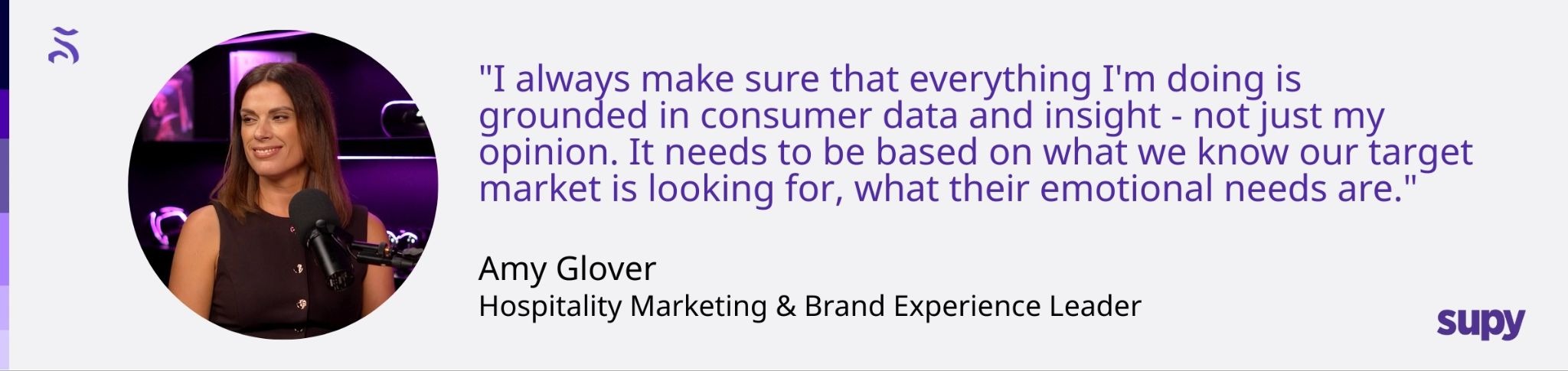
KI ersetzt nicht das menschliche Urteilsvermögen, die Kreativität und den operativen Instinkt, den großartiges Hospitality-Marketing erfordert. Aber es verstärkt sie – und in einem wettbewerbsintensiven Markt ist diese Verstärkung wichtig.
7. Kundenbindungsprogramme, die echte Beziehungen aufbauen
Ein Kundenbindungsprogramm ist kein Rabattsystem. Richtig gemacht ist es eine Beziehungsarchitektur – ein System, das Ihren besten Gästen das Gefühl gibt, wirklich geschätzt zu werden, und ihnen einen Grund gibt, Sie immer wieder zu wählen, auch wenn ein Mitbewerber etwas Glänzendes und Neues anbietet.
Die Wirtschaftlichkeit der Kundenbindung ist einfach: Die Gewinnung eines neuen Gastes kostet deutlich mehr als die Bindung eines bestehenden. Ihre Stammgäste sind überproportional wertvoll für Ihr Ergebnis. Sie an einen Mitbewerber zu verlieren ist eines der teuersten Dinge, die Ihrem Unternehmen passieren können – und es passiert oft nicht wegen des Preises, sondern wegen Gleichgültigkeit.
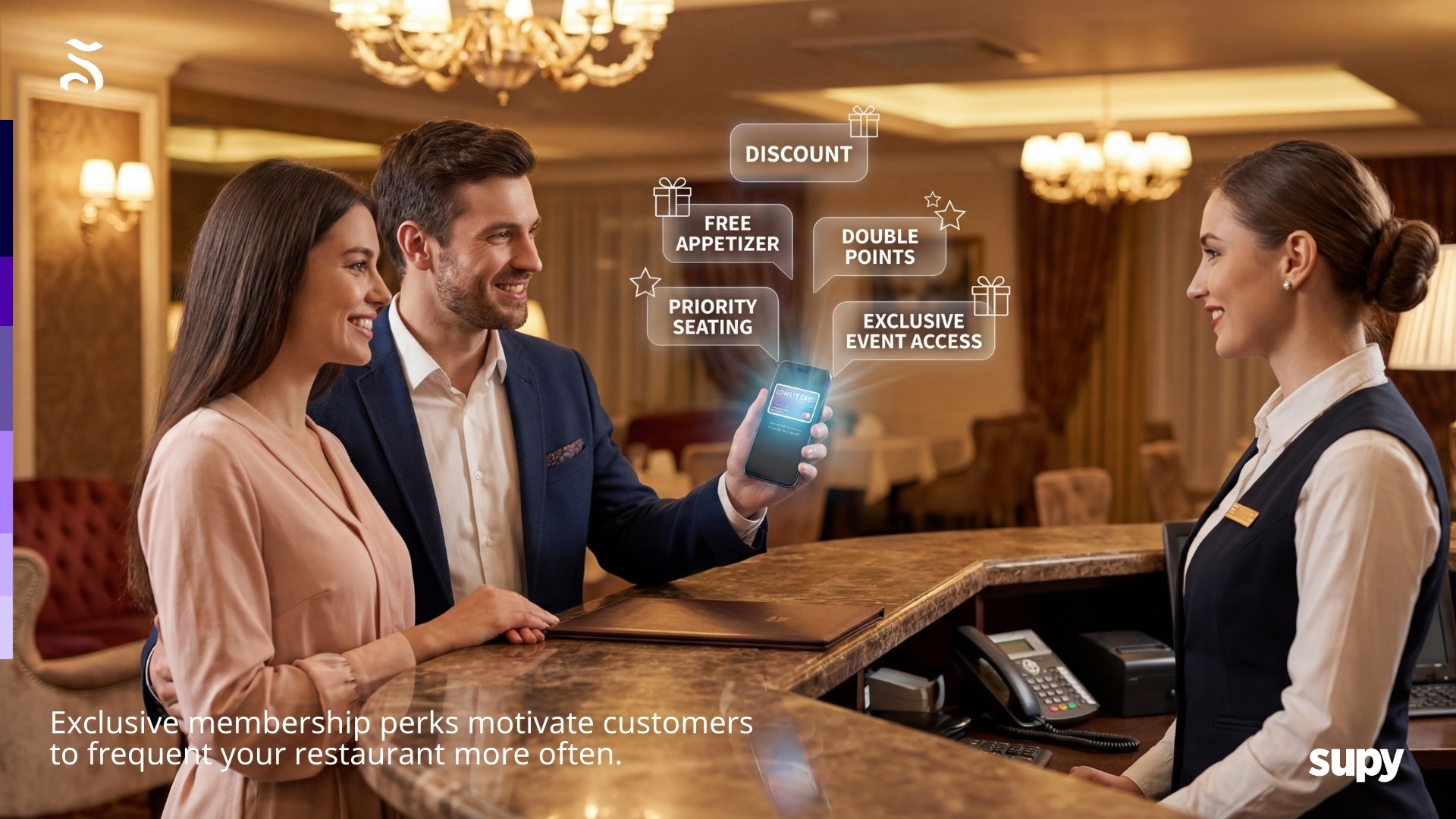
Ein gut gestaltetes Kundenbindungsprogramm kann den Umsatz um 30 % oder mehr steigern. Aber das Design ist entscheidend. Die besten Restaurant-Kundenbindungsprogramme im Jahr 2026 bieten echten Wert – nicht nur Punkte, die abstrakt wirken und ewig zum Ansammeln brauchen – und sind reibungslos zu nutzen. Ein App-basiertes Kundenbindungsprogramm, das fünf Schritte zur Einlösung einer Prämie erfordert, wird aufgegeben. Eine Stempelkarte, die Gästen nach fünf Besuchen einen kostenlosen Kaffee gibt, wird genutzt.
8. Google Maps, Bewertungen und lokale Suche: Das Fundament, das Sie nicht ignorieren können
Für einen erheblichen Teil Ihrer potenziellen Gäste beginnt die Customer Journey mit einer Google-Suche. „Bester Brunch in meiner Nähe." „Italienische Restaurants in [Ihrer Stadt]." „Wohin für einen besonderen Anlass in [Ihrer Stadt]." Ihre Sichtbarkeit – und Ihr Ruf – in lokalen Suchergebnissen kann Ihre Fähigkeit, diesen Traffic zu erfassen, entscheiden.
Die Optimierung Ihres Google-Unternehmensprofils ist eine der rentabelsten Aktivitäten, die einem Restaurant zur Verfügung stehen. Stellen Sie sicher, dass Ihr Eintrag genaue Öffnungszeiten (aktualisiert für Feiertage), hochwertige Fotos, eine ansprechende Beschreibung und – entscheidend – Antworten auf jede Bewertung, positiv oder negativ, enthält.
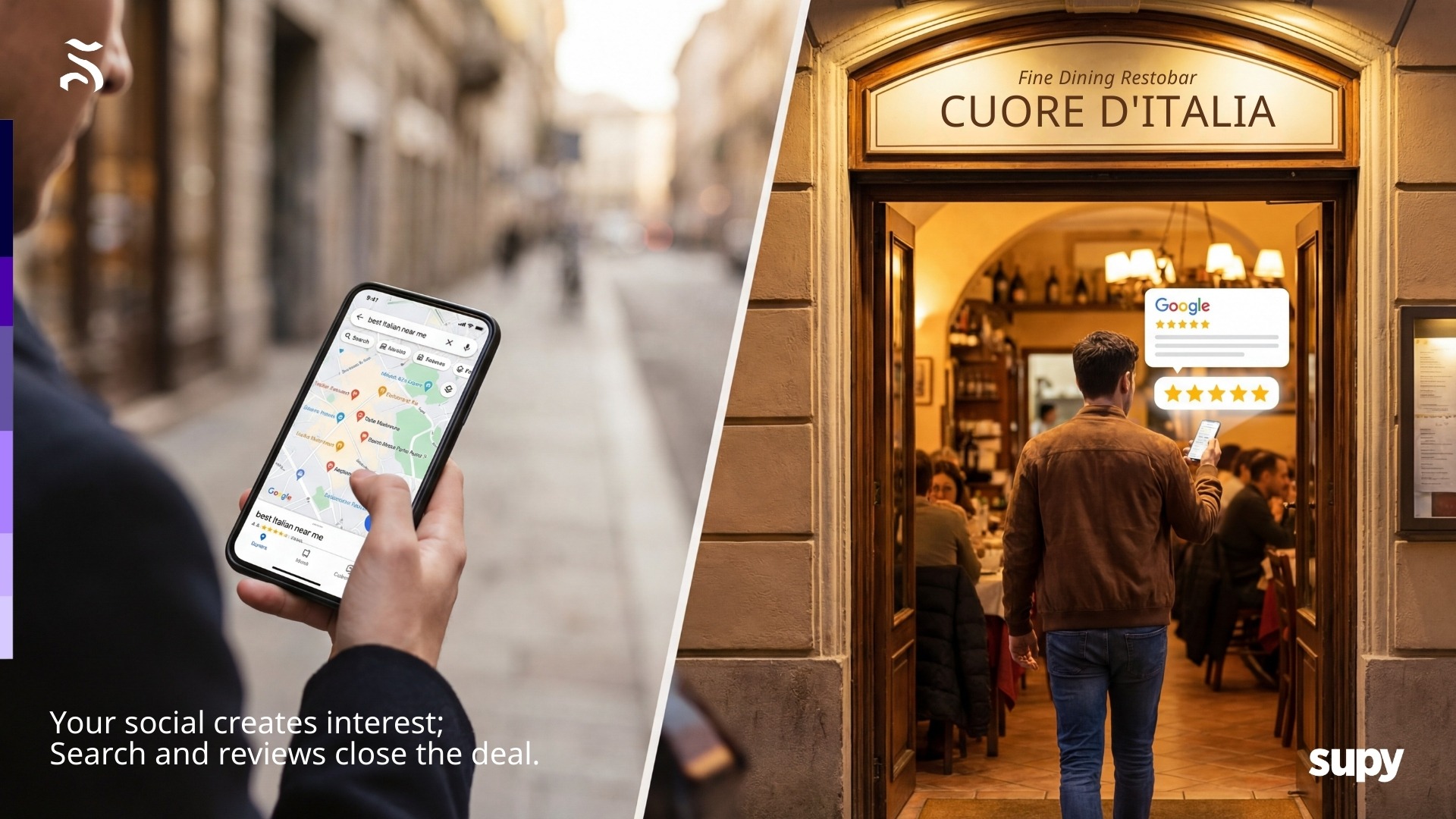
Negative Bewertungen, gut behandelt, können das Gastvertrauen tatsächlich stärken. Eine durchdachte, empathische Reaktion auf eine Beschwerde signalisiert, dass Sie den Service ernst nehmen und sich darum bemühen, Dinge richtig zu machen. Negative Bewertungen zu ignorieren oder defensiv zu reagieren, signalisiert das Gegenteil.
Ihre unverzichtbaren Maßnahmen:
- Google-Unternehmensprofil immer aktuell (Öffnungszeiten, Speisekarte, Buchungslinks, Fotos)
- Ein stetiger Strom frischer Bewertungen (keine Bursts)
- Konsistente Antworten auf Bewertungen (besonders negative)
- Genaue Speisekarteneinträge auf allen wichtigen Plattformen
Schnelle operative Regel: Wenn Ihre Speisekarte, Öffnungszeiten oder Ihr Buchungslink an einem Ort falsch ist, gehen Sie davon aus, dass er an fünf Stellen falsch ist.
9. Lieferplattformen, Ihre eigene App und das digitale Bestellökosystem
Der Essensliefermarkt wächst weiter, und im Jahr 2026 ist es nach wie vor unerlässlich, auf den wichtigsten Plattformen in Ihrem Markt präsent zu sein – sei es Deliveroo, Talabat, Uber Eats oder andere – um den Teil Ihrer Kundenbasis zu erreichen, der einfach nicht persönlich vorbeikommen wird.
Auf diesen Plattformen haben Sie Werkzeuge, um Promotionen durchzuführen, Ihre Sichtbarkeit zu steigern und Gäste zu gewinnen, die Ihre Marke zum ersten Mal entdecken. Betrachten Sie Lieferplattformen als den oberen Teil Ihres Funnels – ein Gast, der dreimal bei Deliveroo bei Ihnen bestellt, wird vorbereitet, Ihren physischen Standort zu besuchen, wenn Sie ihm einen Grund geben.
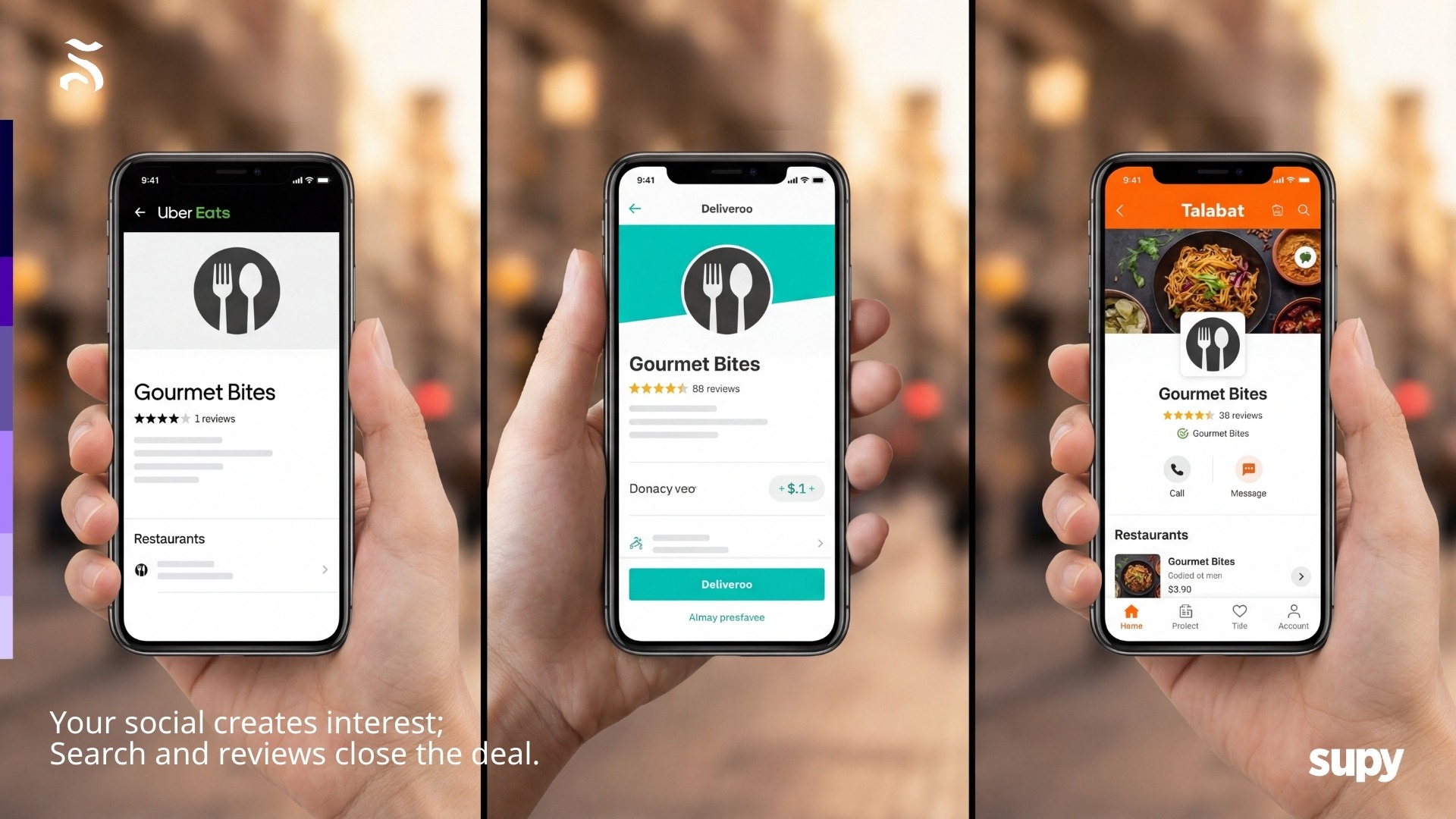
Für Marken mit den Ressourcen zum Investieren bietet eine eigene App etwas, das Lieferplattformen nicht können: direkten Zugang zu Ihren Gästen, frei von Plattformprovisionen, und die Möglichkeit, eine reichhaltigere, personalisiertere Beziehung aufzubauen. Ihre eigene App ermöglicht Push-Benachrichtigungen, Kundenbindungsprogramm-Integration, Bestellhistorien-Personalisierung und Dateneigentum, das Drittanbieter-Plattformen Ihnen nie geben werden.
Der Schlüssel liegt darin, Ihre eigenen digitalen Kanäle und Drittanbieter-Plattformen nicht als Konkurrenten zu betrachten, sondern als komplementäre Teile Ihres Gesamt-Marketing-Ökosystems – jeder bedient eine andere Phase der Gästebeziehung.
12. Nutzergenerierte Inhalte: Ihre Gäste sind Ihre besten Vermarkter
Eines der mächtigsten und am meisten unterschätzten Ressourcen im Restaurant-Marketing sind die Inhalte, die Ihre Gäste bereits erstellen. Im Jahr 2026 fotografieren Menschen ihr Essen fast reflexartig – und wenn Ihre Gerichte, Ihre Umgebung und Ihre Präsentation es wert sind, geteilt zu werden, werden sie geteilt. Millionen von Malen, über Tausende von Konten, zu Zielgruppen, die Sie nie mit dem großzügigsten Werbebudget erreichen könnten.
Der erste Schritt ist das Design für Teilbarkeit. Das bedeutet keine Gimmicks – es bedeutet, Stolz auf die Präsentation zu haben, Gerichte und Umgebungen zu schaffen, die wirklich visuell überzeugend sind, und es für Gäste einfach zu machen, Sie zu markieren. Eine einfache Karte auf dem Tisch mit Ihrem Instagram-Handle. Ein fotoswürdiger Moment, der in das Restauranterlebnis eingebaut ist. Eine Personalkultur, die bemerkt, wenn ein Gast fotografiert, und anbietet, ihm einen besseren Schuss zu helfen.
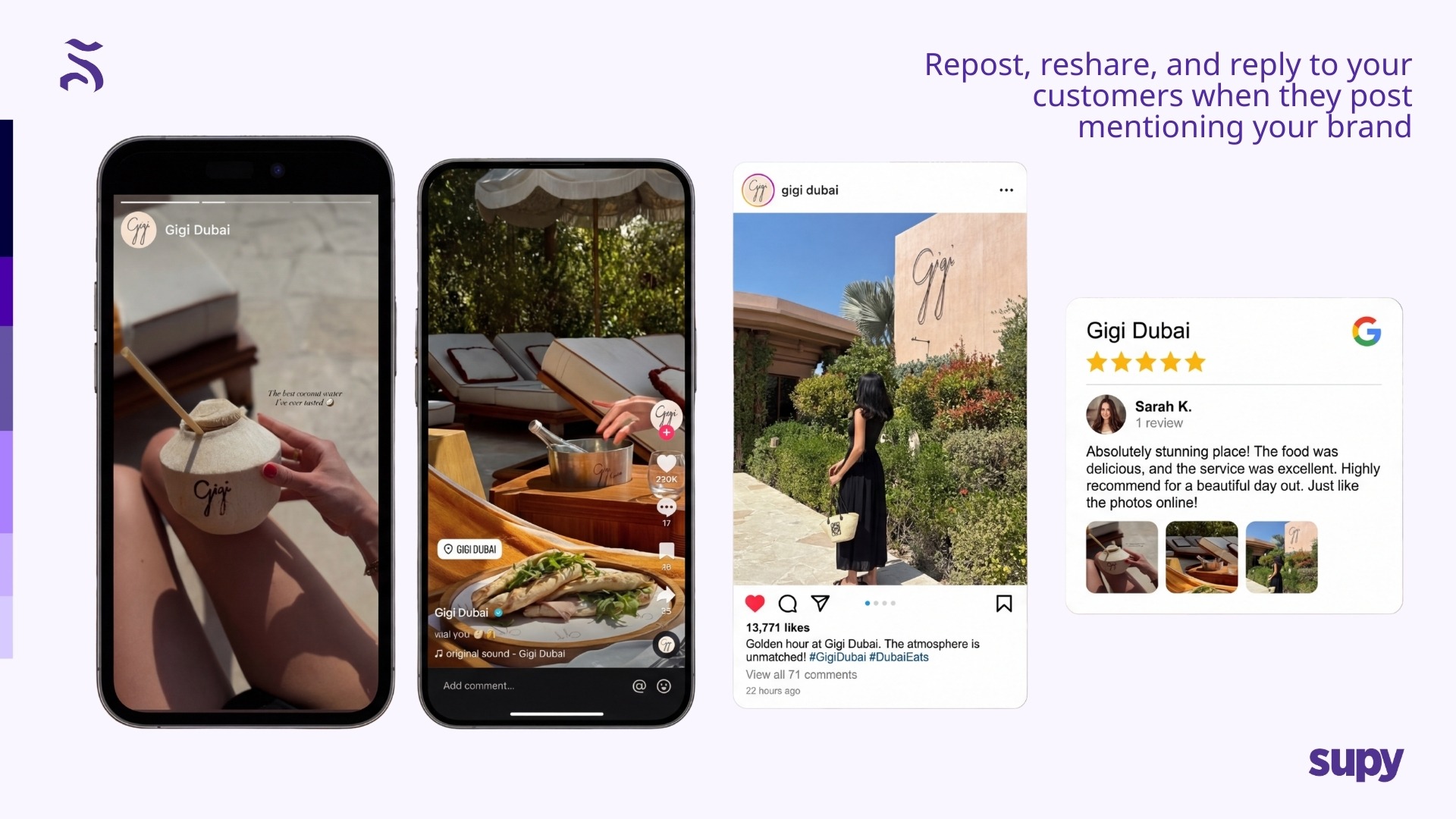
Wenn Gäste Sie markieren, interagieren Sie mit ihnen. Teilen Sie ihre Inhalte in Ihrer Story. Kommentieren Sie ihre Beiträge. Dies signalisiert anderen potenziellen Gästen, dass echte Menschen eine tolle Zeit in Ihrem Restaurant haben – und laut Recherchen beeinflusst nutzergenerierter Content die Kaufentscheidungen der großen Mehrheit der Verbraucher, die ihn sehen.
Die Daten, die Ihr von Gästen generierter Content liefert, sind ebenfalls von unschätzbarem Einblick. Welche Gerichte werden am meisten fotografiert? Welche Ecke Ihres Restaurants taucht immer wieder in Bildern auf? Das sind Signale über das, was Ihre Gäste wirklich lieben – und sie sollten Ihre Menüentwicklung, Ihre Innenarchitekturentscheidungen und Ihre eigene Content-Strategie informieren.
13. Nachhaltigkeit und Gemeinschaft: Marketing durch Werte
Im Jahr 2026 berücksichtigt ein wachsender Anteil der Gäste – insbesondere jüngere Gäste – die Werte eines Restaurants bei ihrer Wahl, wo sie essen. Umweltverantwortung, lokale Beschaffung, Gemeinschaftsengagement und soziale Wirkung sind keine Nischenanliegen mehr. Sie sind zunehmend Mainstream-Erwartungen.
Das bedeutet nicht, dass Sie Ihren gesamten Betrieb über Nacht überarbeiten müssen. Aber es bedeutet, dass wenn Sie bereits die Dinge richtig machen – Lebensmittelverschwendung reduzieren, von lokalen Erzeugern beziehen, nachhaltige Verpackung verwenden, Gemeinschaftsanliegen unterstützen – Sie diese Geschichte erzählen sollten. Authentisch, konkret und ohne Greenwashing.
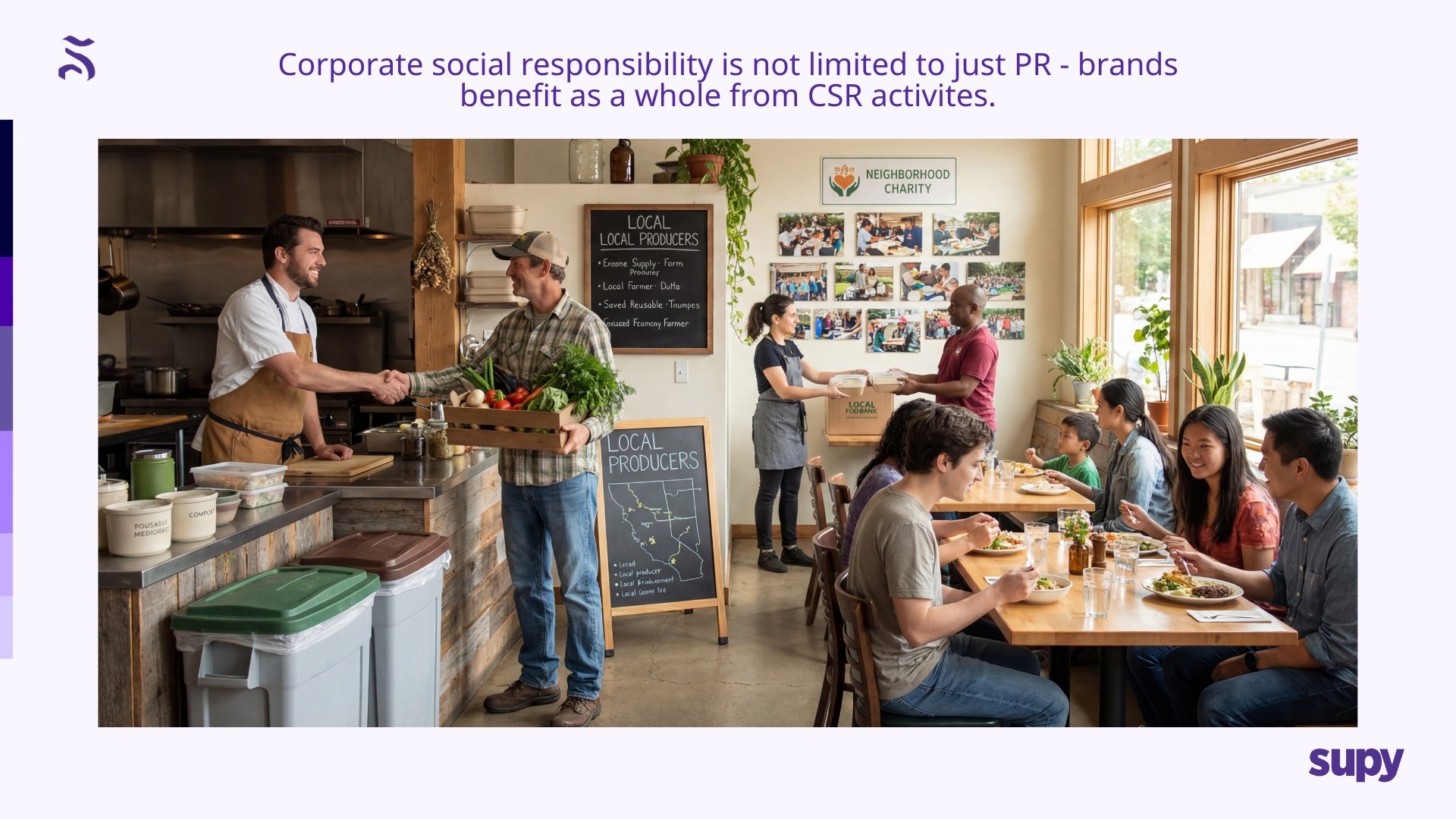
Inhalte hinter den Kulissen, die Ihre Beziehungen zu lokalen Landwirten zeigen. Ein Social-Media-Beitrag über Ihre Partnerschaft zum Spenden von Lebensmitteln am Tagesende an eine lokale Unterkunft. Ein Hinweis auf Ihrer Speisekarte, woher Ihr Fleisch kommt. Das sind kleine Details, die sich zu einer Marke summieren, die für etwas steht – und Gäste, die diese Werte teilen, werden einige Ihrer treuesten Fürsprecher.
Der Gemeinschaft auf breiterer Ebene etwas zurückzugeben – lokale Wohltätigkeitsorganisationen zu unterstützen, in schwierigen Zeiten präsent zu sein, ein echter Nachbar zu sein statt nur ein Unternehmen – baut ein Vertrauen auf, das kein Werbebudget herstellen kann.
14. Was Marken, die skalieren, von Marken unterscheidet, die abdriften
Amy Glover hat an Marken gearbeitet, die von zwanzig auf hundert Restaurants gewachsen sind, und sie hat Marken gesehen, die alles hatten – ein großartiges Produkt, eine treue Fangemeinde, ein starkes Gründerteam – und langsam ihren Weg verloren haben. Sie identifiziert vier Gründe, warum Marken mit der Zeit abdriften.
Das Erste ist mangelnde Markenklarheit: Menschen innerhalb des Unternehmens verstehen nicht wirklich, wofür die Marke steht, sodass sie an verschiedenen Standorten und von verschiedenen Teams unterschiedlich interpretiert wird. Das Zweite ist kommerzieller Druck, der zu kurzfristigen taktischen Entscheidungen führt – Reflexrabatte, zufällige Promotionen, Speisekartenwechsel, die in keiner Markenlogik verankert sind – die die Lücke zwischen Markenabsicht und Markenrealität vergrößern. Das Dritte sind demotivierte Betreiber: Frontline-Teams, die das Gefühl haben, dass Marketing etwas ist, das ihnen passiert, anstatt mit ihnen. Und das Vierte ist das Versäumnis zu evolvieren: nicht mit den makrowirtschaftlichen Verbrauchertrends und den sich ändernden Erwartungen Ihrer Zielgruppe Schritt zu halten.
Die Lösung für alle vier ist dieselbe: Investitionen in Menschen, Kultur und Kommunikation. Kodifizieren Sie, wofür die Marke steht, in Begriffen, die klar genug sind, dass jedes Teammitglied an jedem Standort sie verstehen und danach handeln kann. Bauen Sie echte bidirektionale Kommunikation zwischen Ihrer Marketingfunktion und Ihren operativen Führungskräften auf. Schützen Sie die Dinge, die Ihre Marke besonders machen, auch wenn – besonders wenn – kommerzieller Druck Sie dazu drängt, Kompromisse einzugehen. Und bleiben Sie Ihren Gästen kontinuierlich nah, denn ihre Bedürfnisse und Erwartungen werden sich weiter verändern.
.jpg)
Abschließender Gedanke: Marketing bedeutet nicht nur, Menschen durch die Tür zu bringen
Im Jahr 2026 geht es beim Restaurant-Marketing nicht mehr nur um auffällige Promotionen oder das Füllen von Sitzen; es geht darum, ein nahtloses Erlebnis über alle Berührungspunkte hinweg zu schaffen – vom ersten Mal, als ein Gast Ihre Marke sieht, bis zu dem Zeitpunkt, an dem er immer wieder zurückkommt, um dieselbe Qualität und denselben Service zu erleben. Der Schlüssel zu nachhaltigem Wachstum liegt in der Effizienz – und betriebliche Effizienz beginnt mit den richtigen Werkzeugen.
Amy fasst es perfekt zusammen: Die erfolgreichsten Marketer in der Hospitality-Branche konzentrieren sich nicht nur darauf, neue Gäste zu gewinnen. Sie arbeiten von innen nach außen und verbinden kreative Vision mit operativer Exzellenz. Es geht darum, eine Marke aufzubauen, die nicht nur entdeckt, sondern vertraut wird. Dieses Vertrauen basiert auf Konsistenz, und genau hier kommt Technologie wie Supy ins Spiel.
Indem Supy die schwere Arbeit hinter der Warenwirtschaft, der Rezeptkalkulation und den Lieferantenbeziehungen automatisiert, ermöglicht es Restaurantgruppen, zu skalieren, ohne Kontrolle zu opfern. Es stellt sicher, dass Ihre Abläufe reibungslos laufen, damit Ihr Team sich auf die Schaffung unvergesslicher Gästeerlebnisse konzentrieren kann.
Bereit zu sehen, wie Automatisierung Ihren Restaurantbetrieb auf das nächste Level bringen kann? Demo buchen mit Supy und entdecken Sie, wie wir Ihnen helfen können, zu optimieren, zu skalieren und mit Zuversicht zu wachsen: https://supy.io/book-a-demo