.jpg)


What Losing £100K On The Wrong Business Taught This UK Pub Owner
Watch extracts
Guest & host

Episode Summary
Most hospitality businesses that look effortless from the outside were built through a long sequence of decisions, mistakes, and corrections that guests never see. Pug Pubs is no different.
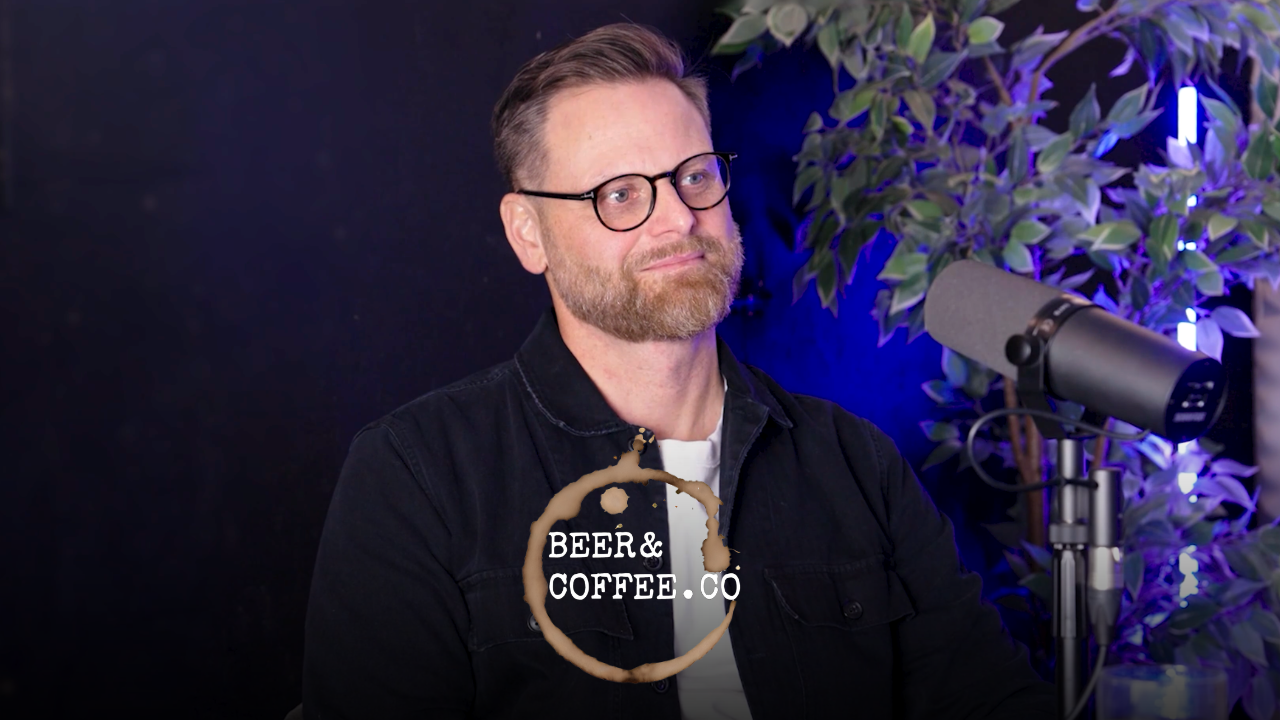
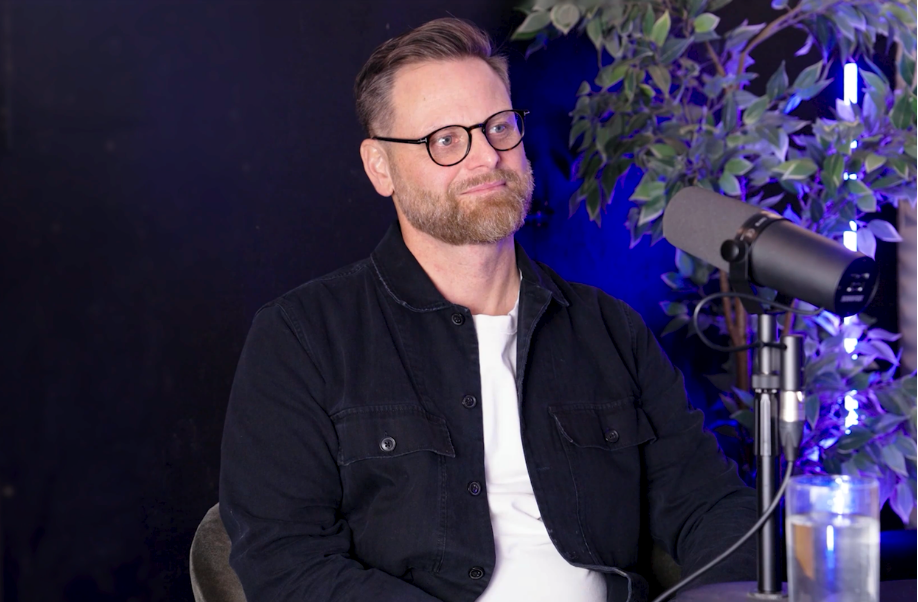
In this episode, Matt Crowther - founder of the Warwickshire-based dog-focused pub group that just won Star Pub of the Year at the Great British Pub Awards - sits down with Karin to talk through what building a concept-led multi-site hospitality group actually looks like when you're doing it without shortcuts, committees, or a safety net.
The conversation covers the moment Matt quit his job the day his wife told him she was pregnant, the origins of a genuinely dog-focused (not just dog-tolerant) pub brand, and a £100K cheese bar in Leamington Spa that taught him the single most important lesson of his career: only build what you actually care about.
From Father's Day street festivals and the Pug Crawl, to the payroll week that used to take a full week, to why mission statements on the wall are mostly nonsense - this is one of the most honest and energetic conversations about running a small hospitality group that you'll hear.
Learnings From The Episode
Matt has built every venue in the Pug Pubs group from his own cash, his own instinct, and a growing ability to know when he's wrong. Every lesson here was earned on the floor.
Only build what you actually care about
The £100K cheese bar failed for one reason above all others: Matt didn't really like cheese. He saw an opportunity, spent six figures fitting out a venue he was leasing, dug a new entrance to the cellar, and opened to great reviews.
But there are only so many people who want a cheese board on a Tuesday in Leamington Spa - and without genuine passion for the concept, he wasn't willing to do the work required to find them.
The lesson wasn't about market research, location, or execution. It was simpler: the operators who make it through the hard years are the ones who care enough to solve the problems. If you don't care, you won't solve them.
Dog friendly and dog tolerant are not the same business
Before Pug Pubs existed, Matt noticed a pattern: pubs that called themselves dog friendly would show you the two tables at the bottom of the garden. That wasn't dog friendly. That was dog tolerant.
Pug Pubs was built around a different standard. The dog gets a bowl of water before the humans order. Dogs can sit wherever their owners sit. The brand - the name, the events, the identity - is built entirely around that commitment.
The distinction matters operationally, not just as a marketing line. It means every hiring decision, every training conversation, and every service moment is filtered through the same question: would a dog owner feel genuinely welcome here, or just permitted?
Small operators can move faster than any large group - if they trust themselves
Early in his career, Matt bought a barbecue on a hot August bank holiday and ran an impromptu outdoor service at the pub where he was managing. Great sales. Then he got in trouble for not seeking permission.
The health and safety concerns were real. But so were the results. As a small operator, Matt has rebuilt his entire approach around the freedom that large groups can't replicate: close a road, build a stage, host five bands on Father's Day, no sign-off required.
The Pug Pubs community events - PugFest, the annual Pug Crawl - aren't marketing campaigns. They're things Matt decided to do because he thought they'd be good for his regulars. The speed from idea to action is the advantage.
Mission statements on the wall mean nothing if you don't know your cleaner's name
Matt visited a pub once where the GM had worked alongside the cleaner for two years and didn't know her name. The pub had values written on the wall about caring for people.
His view: culture isn't documented, it's demonstrated. You don't need a mission statement. You need to make the cleaner a coffee. If something real does emerge from the way you actually run your business, you can write it on the wall with a Sharpie. But writing it first and living it second doesn't work.
This shapes how Pug Pubs hires, too. Matt recruits on personality, not experience. Naturally hospitable people are trained into a service standard. People who have to switch hospitality on are moved on.
Going from one site to two is the systems moment - not site five or ten
At one venue, a founder's physical presence can compensate for almost anything. You know what's low on stock because you made the coffee this morning. You know who's off because you wrote the rota.
At two sites, there's only one Saturday. You can't be in both places. That's the moment to put systems in - not because they make the business more corporate, but because without them, the second site will run differently to the first, and you'll never know why.
For Matt: Planday for scheduling, Xero for accounting, a POS system, a stock system, and a booking system. Not glamorous. But the click of a button for payroll instead of a full week of deciphering scribbled rotas is what frees you up to actually run the business.

Ready to optimize your restaurant operations?
More stories from F&B leaders
.png)
.png)
.png)
.png)
.png)
.png)
.png)
.png)
.png)
.png)
.png)
.png)
.png)
.png)
.png)
.png)
.png)
.png)
.png)
.png)
Ready to transform your operations?
Join 3500+ restaurant operators cutting costs, streamlining operations and making smarter decisions with Supy.
