.jpg)

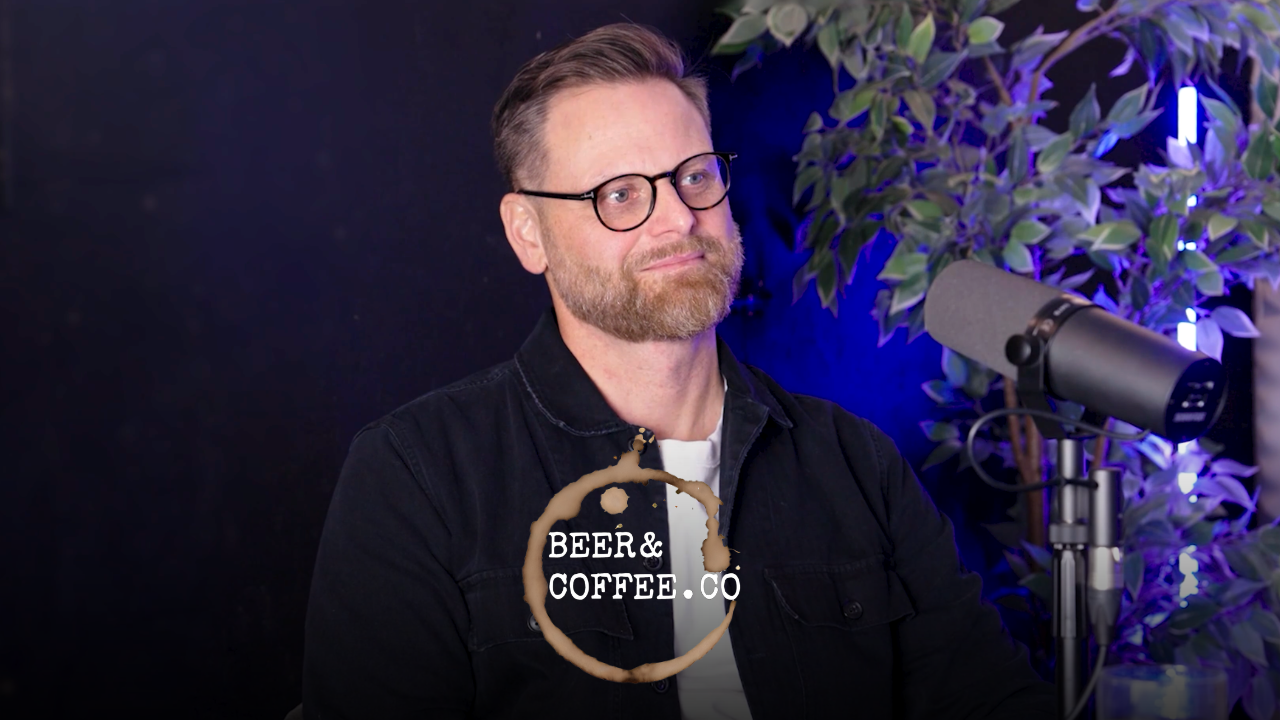
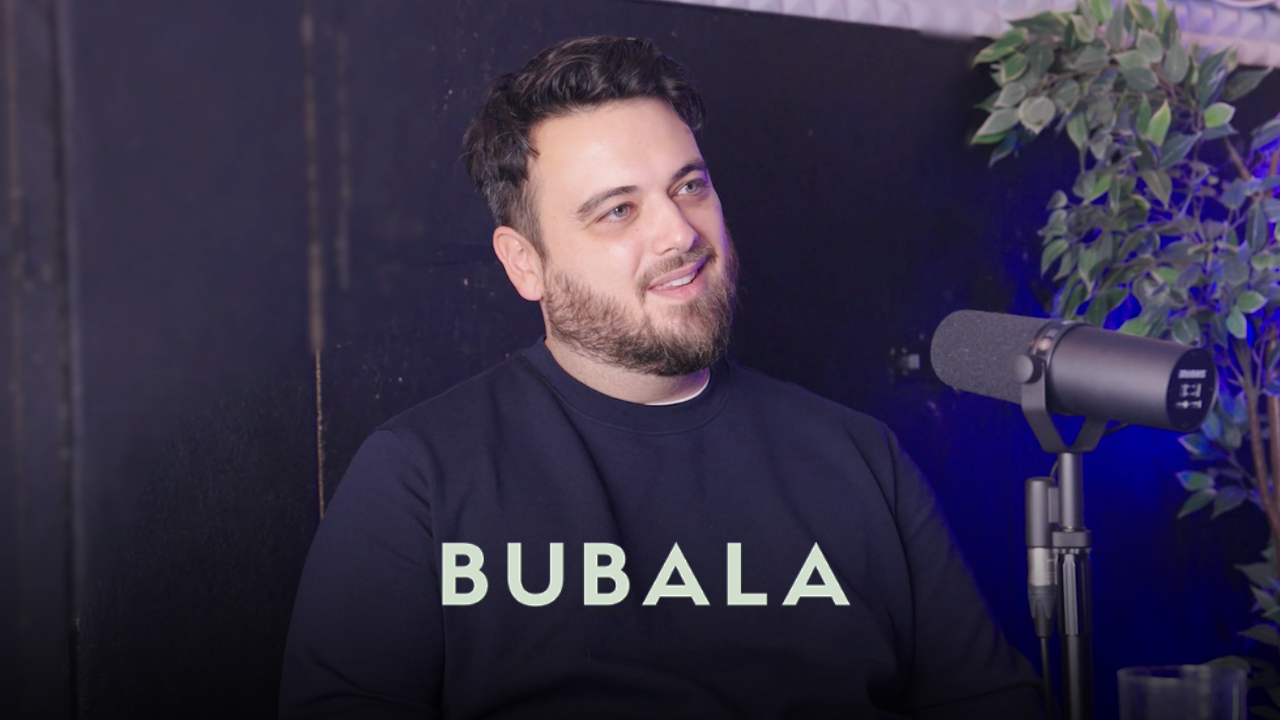
All about catering, with Elias Kandalaft
.png)
Watch extracts
Guest & host

Episode Summary
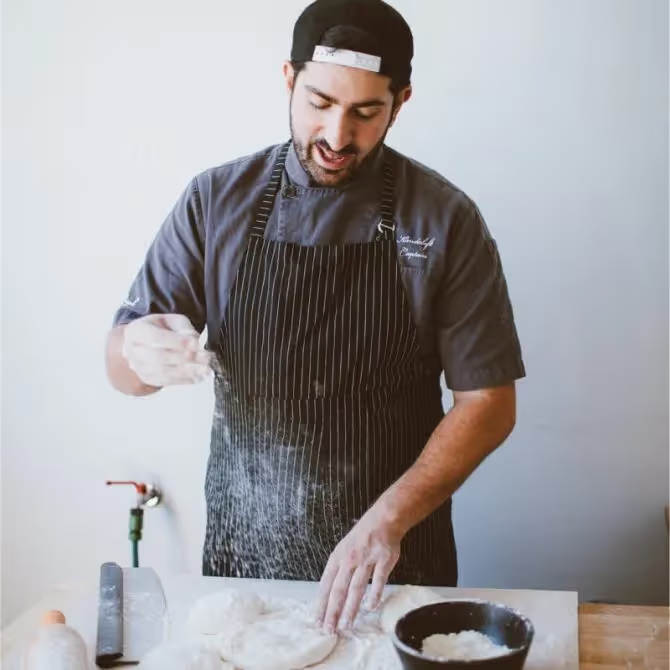
Elias Kandalaft—chef, marketer by training, and Partner at Pinch Gourmet—traces a path from university classrooms to “Yes, we can” backyard weddings that snowballed into an award-winning Middle East catering firm. He learned the discipline of kitchens the hard way (millimeter cuts, zero shortcuts), then built Pinch organically: one home event led to the next, investors followed, and a central kitchen plus tight systems emerged. Catering, he argues, is first and foremost logistics: site visits, power, transport, temperature control, checklists, and adapting menus to the guest profile and the space. Financially, he moved from pure chef passion (and high food costs) to operator discipline: inventory systems, waste tracking, brand standards, and turning trimmings into value. Culture ties it together—train palates, feed the team well, hold standards high, and lean on the F&B community. Marketing is largely word of mouth, reputation, awards, and SEO; differentiation comes from from-scratch cooking, fermentation, and continuous R&D. Bottom line: say yes, solve the logistics, engineer the menu for the crowd, and let consistency and care compound into a brand.
Learnings From The Episode
The origin story: from marketing student to chef–operator
- A professor (“Doctor Chocolate”) pushed Elias to learn to cook to truly understand F&B.
- Culinary school delivered discipline and humility; professional kitchens delivered reality—long hours, diverse crews, high standards, teamwork.
Why catering (not restaurants): “we said yes”
- A 100-guest backyard wedding accepted on short notice became Pinch’s launch.
- Early events were fully organic growth: cook for family → a guest books you → repeat.
Catering is logistics first
- Site visits: map space, guest flow, buffet/chef station placement, dancing/entertainment windows.
- Power & equipment: assess available electricity; arrange generators if needed; plan cords, tables, ovens, refrigeration.
- Transport & temperature: central-kitchen prep → chilled vehicles and insulated Cambros; cook on site when possible.
- Food safety: check supplier truck temps; reject chilled goods >5 °C; sanitize veg; segregate meat prep.
- Checklists: standard bring-lists (gloves, towels, boards, knives) plus event-specific adds driven by photos and layouts.
Menu design that actually fits the party
- Begin with proteins & diets (chicken, fish, beef, veg/vegan) to cover the room.
- Engineer the run-of-show: canapés during arrivals (1–2 hrs, ~4 bite types), service window for dinner (e.g., 8–9:30 pm), then close the buffet.
- Live stations vs buffet vs grazing based on space, power, and guest experience.
- Crowd profiling to reduce waste: age, “eaters vs drinkers,” healthy vs indulgent; steer away from pizza for health-conscious 35+; offer fish, risotto, salt-baked stations, steak, etc.
- Personalize flavors (e.g., sour/acidic notes) but calibrate to the majority palate.
Inventory, waste, and food cost discipline
- Grew from manual ordering per event to a system-driven inventory that flags needed inputs when a station is booked.
- Track usage vs sales to surface anomalies (over-ordering, spoilage, trimming losses).
- Upcycle trimmings: fat into burger blends or rendered for cooking; veg trim into stocks and soups.
- Brand standards matter: changing one input (e.g., ketchup) can break a signature sauce; cheaper isn’t cheaper if it degrades product.
- Feed the team well and train their palates—quality awareness starts inside.
Culture & training
- Hire for hunger and attitude; grow from within (dishwasher → lead event chef).
- Hands-on coaching builds taste memory (season, taste, adjust) and consistency.
- Hold people accountable to quality while showing care; the standard stays high.
Differentiation & R&D
- From-scratch ethos (stocks over cubes, sourdough, fermentation, kimchi, house pickles).
- Weekly experimentation leads to new dishes/stations (and some fun dead ends).
- Quality is non-negotiable; innovate without diluting the brand.
Community and collaboration
- Ask for help, share playbooks, applaud competitors—F&B is hard; a supportive ecosystem lifts everyone.
Marketing that works for catering
- Word of mouth and reputation/awards drive trust.
- SEO/Google Ads targeting real queries (“best private home catering Dubai”) convert browsing into bookings.
- Social proof (photos/video) helps, but operations and referrals do the heavy lifting.
If starting over: three notes to self
- Don’t beat yourself up—there’s always another way around a roadblock.
- You’re not a lone wolf—lean on people early.
- Keep standards, but balance passion with the numbers.
Signature recommendation
- Whole lamb on a spit—lemony, spice-laden, and a perennial crowd-favorite station.
Ready to optimize your restaurant operations?
More stories from F&B leaders
.png)
.png)
.png)
.png)
.png)
.png)
.png)
.png)
.png)
.png)
.png)
.png)
.png)
.png)
.png)
.png)
.png)
.png)
.png)
Ready to transform your operations?
Join 3500+ restaurant operators cutting costs, streamlining operations and making smarter decisions with Supy.
