.jpg)


Launching, running, & expanding your restaurant
.png)
Watch extracts
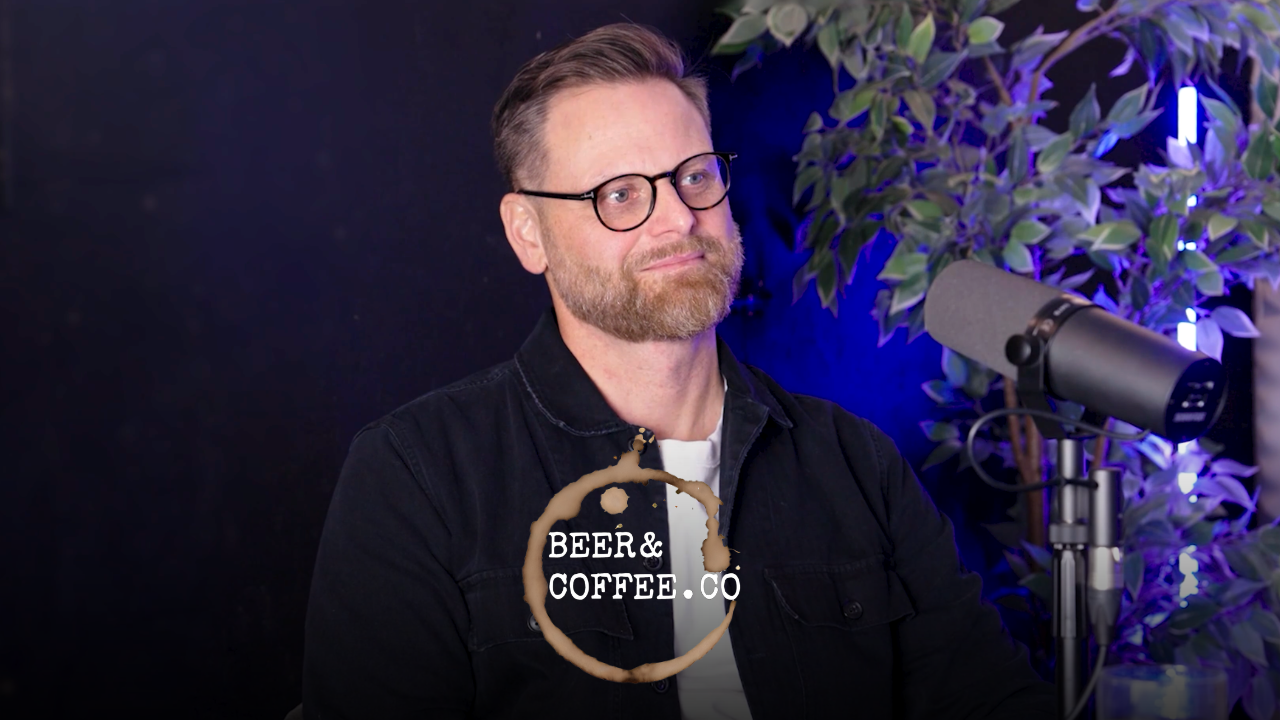
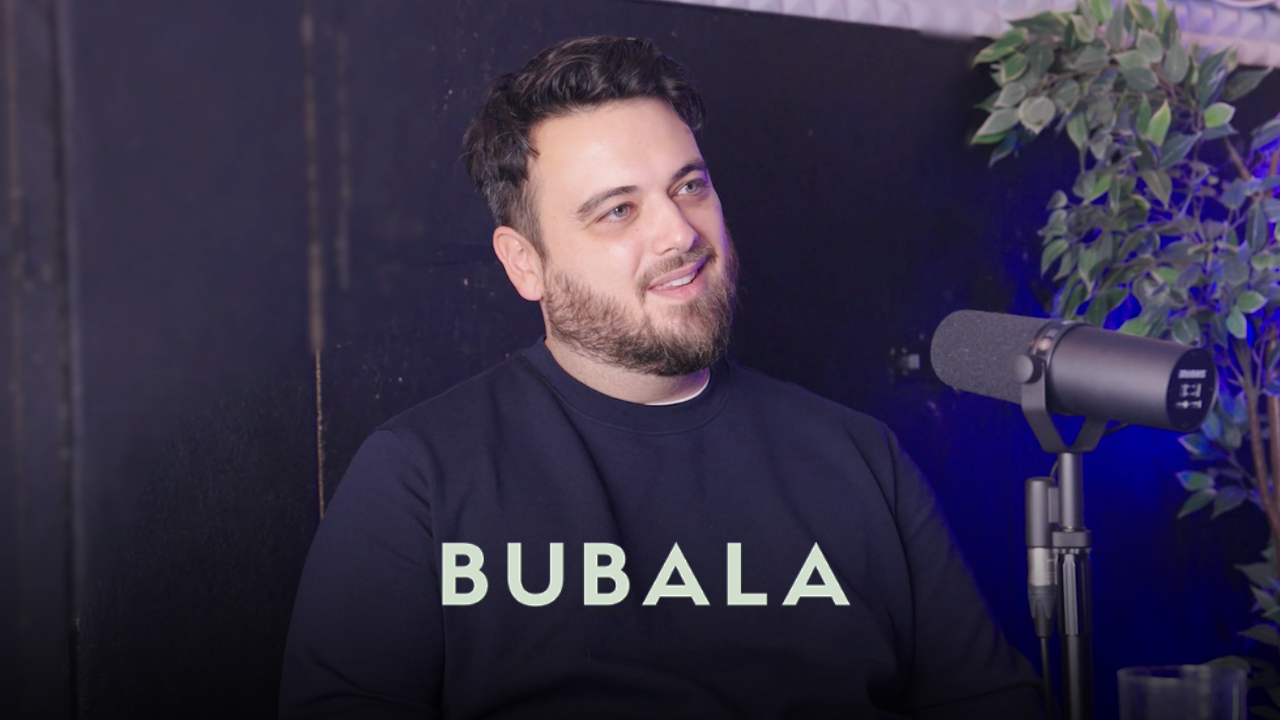
Guest & host
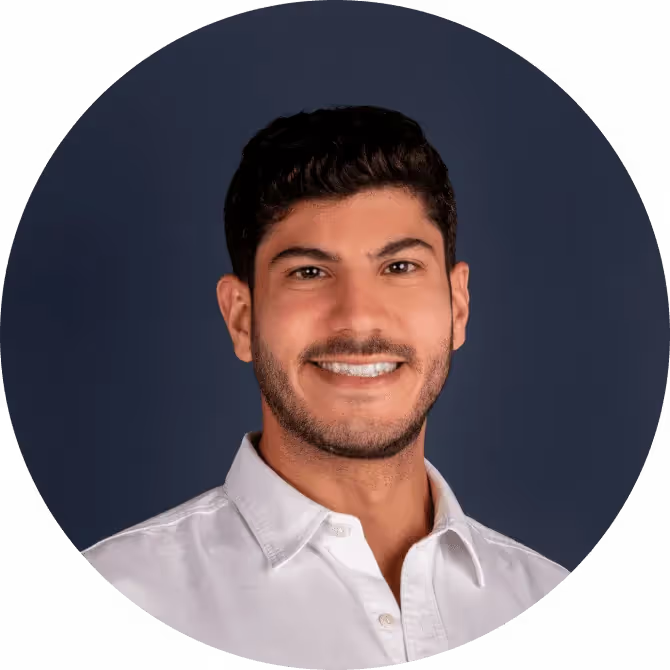
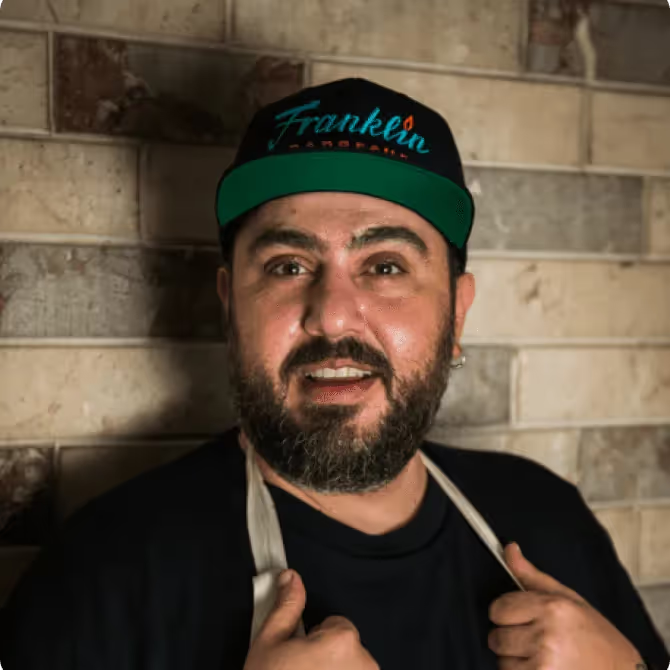
Episode Summary
Riad Abou Lteif—architect turned chef, investor, and operator (owner of OCRA; Managing Partner at Grit Hospitality; behind Tahini, Wise Guys, and Moonshine in Beirut & Dubai)—argues that great restaurants start with a philosophy (“cuisine de lieu”: food of place) and are built with discipline: rigorous R&D, honest costing, menu engineering, and a replicable operating system. He separates the craft (recipes, yields, waste control, 90% consistency) from the business (location, footfall, day-part strategy, risk, data-led expansion) and insists culture is the real moat: a clear brigade, accountability, and humane leadership that retains talent. Technology surfaces the red flags (waste, variance) but judgment fixes them. Expansion follows demand and data (Wise Guys DIFC → Dubai Hills), not vanity or trends; “unreasonable hospitality” creates moments guests remember more than awards—lists are marketing tools, often politicized, and should never trump the guest’s verdict. Bottom line: eat and cook from your surroundings, measure what matters, build teams and systems that travel, and let generosity and discipline compound.
Learnings From The Episode
From architect to chef–operator–investor
Riad’s pivot wasn’t a whim; it was identity. He apprenticed in kitchens (UK/US), studied relentlessly (books, theory), and earned his stripes through reps. Architecture became a toolset (systems thinking, composition) he now applies to kitchens, menus, and brands.
How he learned the craft: theory, then thousands of reps
Culinary school or not, the order matters: learn the theory (technique, history, terroir) → practice until sharp → keep learning daily. Skill compounds through repetition, reflection, and feedback loops.
“Cuisine de lieu”: a philosophy of place
Riad resists a fixed “label.” He cooks in context: ingredients, culture, and environment drive the menu. Farm-to-table isn’t a slogan; it’s sourcing honestly, letting great product speak, and building relationships with growers.
Chef vs entrepreneur: two different skill sets
- Chef: recipe discipline, yields, waste control, costing, consistent execution (he aims for “perfectly imperfect” ~90% consistency, not chain-level uniformity).
- Entrepreneur: market study, location & footfall logic, day-part monetization, risk, capital, positioning, brand, and marketing.
The homework: pre-opening and post-opening
- Pre-opening: site demographics, hours and shifts, concept fit, clear USPs, pricing logic, team structure, brand & interior coherence.
- Post-opening: customer feedback loops, marketing cadence, continuous menu engineering, weekly numbers (sales, COGS, labour, cash).
R&D, feedback, and ego control
R&D is non-negotiable. Prototype, test, collect feedback (partners, guests), and adjust. Park the ego; let the dish, data, and guest response decide.
Menu engineering in practice
Every item gets its math: grams, yields, raw cost → price at target margin. Accept a couple of crowd-pleasing “plow horses” if they attract demand, but balance them with star items so the overall menu earns.
Waste, yields, and systems: fixing the leaks
Know your yields (e.g., heavy trim + long cook losses on brisket), track spoilage vs. usable by-products, and use systems (POS/inventory) to surface variance early. Reports don’t solve problems—chefs do, with process corrections and training.
Culture as a moat: brigade + humanity
Structure comes from the classic brigade (clear roles; section bosses; sous/head/executive). Retention comes from character, honesty, loyalty—and leadership that treats people like people (e.g., sending a pizzaiolo home urgently to see his ill father). Kitchens are intense; culture is how you keep standards high without burning people out.
Unreasonable hospitality
Small, personal moments compound loyalty (a handwritten card celebrating a guest’s milestone; making an off-menu dish to keep a promise). Generosity, done sincerely, is remembered for years.
When to expand (and where)
Expand when demand exceeds projections and the model holds. Use data (platform demographics, day-part patterns) to pick zones that fit the concept. Wise Guys proved in DIFC before moving to Dubai Hills Business Park—staying true to the brand’s character rather than chasing mall footfall for its own sake.
Awards & “Best 50”: useful, but not the point
Lists drive awareness—but they’re imperfect, sometimes politicized, and shouldn’t outrank the guest’s experience. Build for regulars who return twice a week, not just for an annual headline.
The chef’s final philosophy: eat what grows near you
Great flavor starts in soil: microbiomes, farms, and seasons. The chef is a messenger for ingredients. Read labels, favor proximity, simplify, and let nature lead the plate.
Takeaways for operators
- Anchor your concept in a clear philosophy of place.
- Do the homework: R&D, costing, yields, and weekly numbers.
- Build a humane, accountable brigade and train relentlessly.
- Use technology to see problems fast; fix them with process and people.
- Expand only when demand, data, and systems say you’re ready.
- Choose the guest’s memory over the industry’s applause.
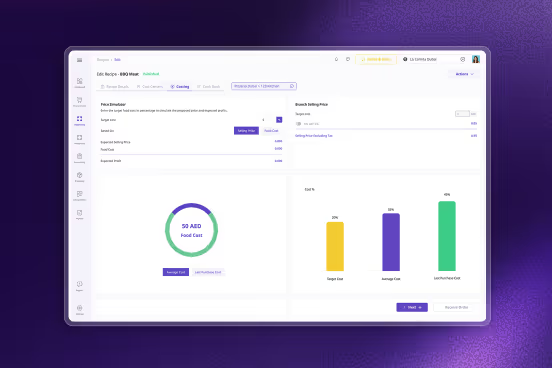
Ready to optimize your restaurant operations?
More stories from F&B leaders
.png)
.png)
.png)
.png)
.png)
.png)
.png)
.png)
.png)
.png)
.png)
.png)
.png)
.png)
.png)
.png)
.png)
.png)
.png)
Ready to transform your operations?
Join 3500+ restaurant operators cutting costs, streamlining operations and making smarter decisions with Supy.
