
Australia’s Culinary Diversity: The Impact of Multiculturalism on Food
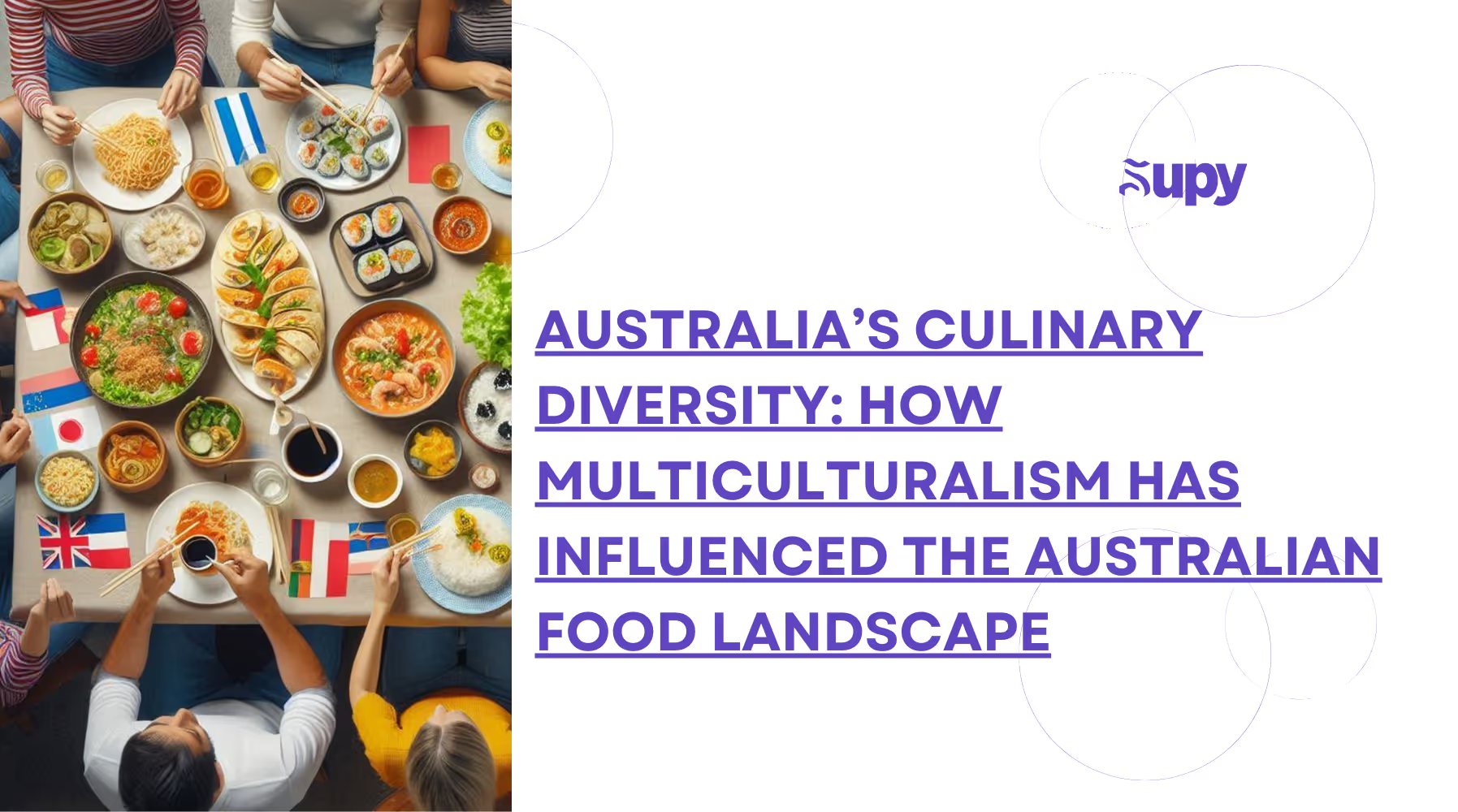
Australia’s culinary diversity food scene is rich and diverse, shaped by people from all over the world. Nearly 28% of the population was born overseas, and over 75% of Australians have roots in other cultures. This has created a vibrant food landscape where global flavors are part of everyday life. Authentic international dishes and innovative reimaginings of traditional recipes highlight how deeply multiculturalism has shaped Australia’s food culture.
For restaurant and F&B chain owners, these cultural influences open up exciting new possibilities. People’s tastes are evolving, and menus celebrating this diversity are key to attracting and keeping customers. Staying ahead means understanding the wide range of flavors that make up Australia’s unique food culture and using them to create memorable dining experiences.
In this blog, we’ll explore:
- Traditional Australian Cuisine and Ways of Cooking
- The Evolution of Modern Australian Cuisine
- Dining Habits and Consumer Preferences
- Opportunities for Restaurant and F&B Chain Owners in Australia
- Conclusion
- About Supy
Read on to discover how tapping into Australia’s culinary diversity can set your business apart!
1. Traditional Australian Cuisine and Ways of Cooking
Australia’s food culture is a story of deep roots and global influence. At its core is the enduring culinary knowledge of Aboriginal and Torres Strait Islander peoples, who for over 60,000 years have worked in harmony with the land. This foundation — often referred to as bush tucker — includes native ingredients like kangaroo, emu, macadamia, wattleseed, finger lime, and bush tomatoes. Traditional techniques such as earth oven cooking, fire-roasting, and smoking showcase a philosophy of sustainability and respect for nature that still resonates in contemporary Australian kitchens.
Overlaying this heritage is a dynamic blend of global cuisines. From British staples like meat pies and Sunday roasts to the bold flavours introduced by Greek, Italian, Vietnamese, Chinese, and Lebanese migrants — Australia’s modern culinary identity is distinctly multicultural. Cities like Melbourne and Sydney have become food capitals, where fine dining and street food alike reflect this rich mosaic.
Today, what’s considered “Australian food” often fuses Indigenous ingredients with international techniques — a testament to the country’s evolving palate and cultural diversity.
2. The Evolution of Modern Australian Cuisine
As Australia has become more culturally diverse, its cuisine has evolved into a dynamic blend of flavors and influences. Modern Australian cuisine, often referred to as “Mod Oz,” highlights this fusion of traditional ingredients and international flavors, transforming Australia’s culinary diversity and food landscape.
The Impact of Global Influences
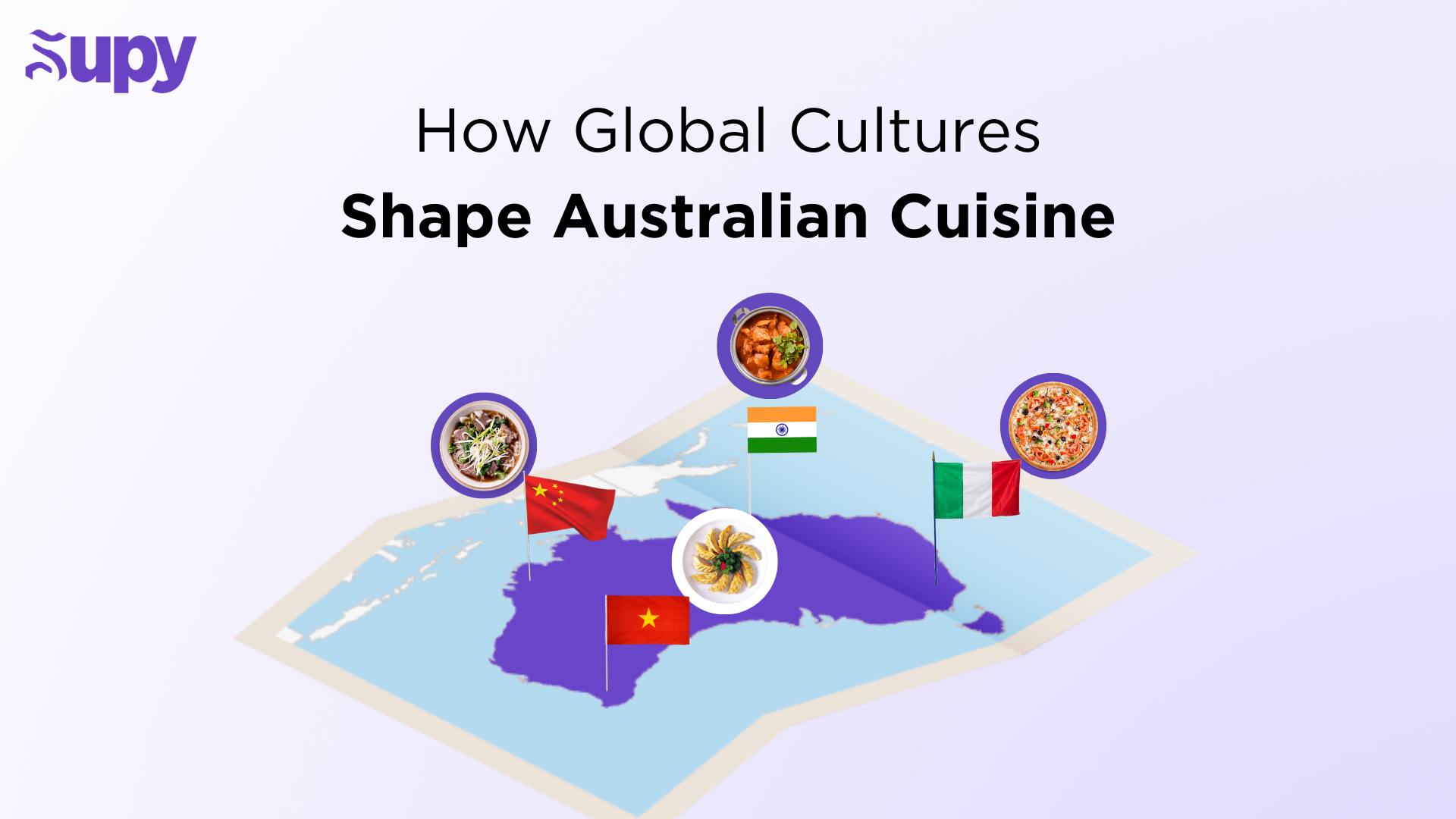
Australia has over 200 nationalities that have contributed to its vibrant and diverse food scene. Immigrants from places like Italy, Greece, Vietnam, China, and India have brought unique flavors and cooking techniques that are now part of everyday life in the country. Dishes that were once considered exotic, like Italian pasta, Greek souvlaki, Vietnamese pho, Chinese dumplings, and Indian curries, have become staples.
This influence is easy to see in the huge number of specialized restaurants around the country. For example, Melbourne’s Lygon Street is famous for its Italian eateries, serving authentic pasta and pizza. Meanwhile, areas like Richmond and Footscray are known for their vibrant Vietnamese food, with plenty of places offering pho and banh mi. These diverse dining options show how much Australia has embraced global flavors, making the food scene more exciting and culturally rich.
The Fusion Food Movement
The fusion food movement is one of the most defining aspects of Modern Australian cuisine and a key element of Australia’s culinary diversity. Chefs are constantly experimenting, combining different cultural elements to create new and innovative dishes. This creative approach has transformed the dining scene, making it both fresh and exciting. Fusion dishes have become a staple in both upscale restaurants and casual eateries, attracting a population eager to explore bold and unique flavors.
Australian chefs are known for pushing boundaries and reimagining traditional recipes in unexpected ways. Some popular fusion dishes you’ll find across the country include:
- Asian-Inspired Pizzas: These creative pizzas feature toppings like teriyaki chicken, wasabi mayo, or hoisin duck. They combine the art of classic Italian pizza-making with the bold, vibrant flavors of Asian cuisine.
- Thai-Infused Seafood: This dish brings a Southeast Asian twist to local seafood, using Thai spices, coconut milk, and lemongrass to create a flavorful and aromatic experience in every bite.
- Sushi Burgers: A fun reimagining of sushi, these burgers swap traditional buns for sushi rice patties and are filled with ingredients like crispy tempura or spicy tuna with a unique fusion of textures and flavors.
- Native Australian-Inspired Desserts: These desserts pair French pastry techniques with native Australian ingredients. Wattleseed adds a rich, nutty flavor, while finger lime provides a tangy, citrusy pop, resulting in a distinctly Australian twist on classic sweets.
- Tacos with Global Flavors: These soft tacos offer a fusion of cultures, filled with bold options like Korean barbecue beef or Moroccan-spiced lamb. They’re a hit at food festivals and trendy dining spots.
3. Dining Habits and Consumer Preferences
As the food culture evolves, eating habits and preferences in Australia are also changing. People are seeking memorable customer experiences that make dining exciting and unforgettable. This growing demand for unique and engaging meals has resulted in diverse options, including upscale restaurants, lively street food markets, and innovative food trucks.
Diverse Restaurant Scene
Australia is home to a rich mix of dining establishments, from high-end restaurants to casual eateries and specialty cafes. The country’s multicultural influence has led to a wide variety of authentic and fusion restaurants, catering to every palate.
For example, In New South Wales, Sydney’s Chinatown features numerous dumpling houses and yum cha places of Chinese origins, along with modern Asian fusion restaurants. Across South Australia and the rest of the country, Indian, Greek, Middle Eastern, and Japanese restaurants have become staples, showcasing a deep appreciation for diverse and authentic cuisines.
Australia’s culinary diversity is reflected in the growing number of themed and concept restaurants that offer more than just food. Some focus on regional specialties, while others create immersive cultural experiences. Eating out has become an adventure, with chefs sharing the stories and traditions behind their dishes to make meals both tasty and memorable.
Street Food and Food Trucks
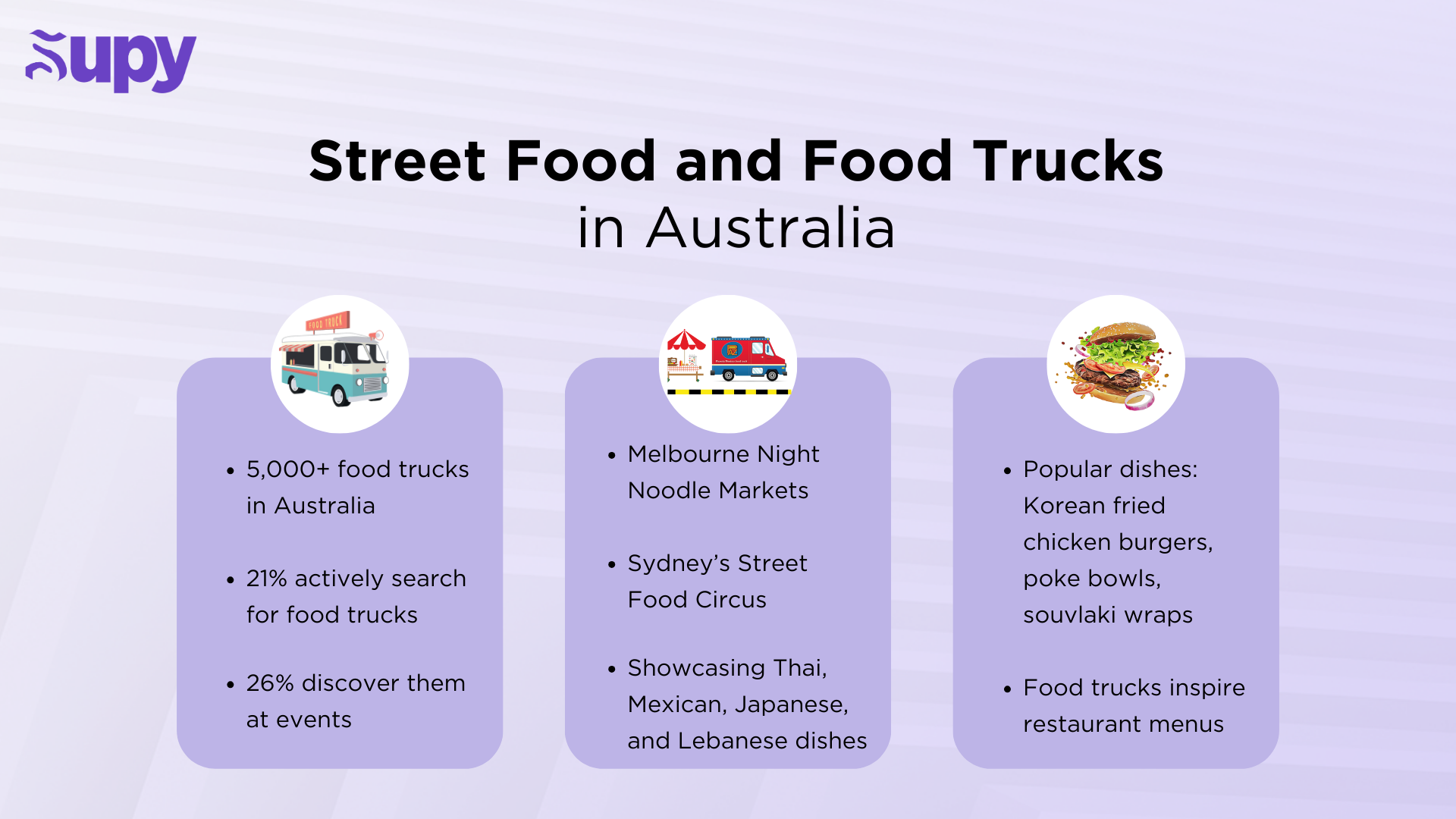
Street food and food trucks are now a major part of Australia’s food culture, offering quick, flavorful, and affordable meals to people on the go. With over 5,000 registered food trucks across the country, they’ve become a popular choice for diverse and innovative dining options. Research shows that 21% of Australians actively look for food trucks, while 26% discover them at festivals and events.
Street food markets are thriving in urban areas, providing a platform for chefs—both established and new—to showcase their creativity. Events like the Melbourne Night Noodle Markets and Sydney’s Street Food Circus attract thousands of food lovers, offering everything from Thai skewers and Mexican tacos to Japanese takoyaki and Lebanese shawarma.
Food trucks have also become a key part of Australia’s culinary diversity, offering inventive dishes such as Korean fried chicken burgers, Hawaiian poke bowls, and Greek souvlaki wraps. This trend has sparked a wave of food entrepreneurs while also encouraging traditional restaurants to think outside the box and embrace more dynamic, street-style offerings.
Shift Towards Health-Conscious Choices
Health and wellness have become important drivers in shaping Australian food culture, significantly influencing dining habits. More Australians are prioritizing meals that are both nutritious and made with fresh, high-quality ingredients. A 2022 report by the Australian Bureau of Statistics found that 54% of adults meet the recommended daily fruit intake, while only 6.8% meet the vegetable recommendation. This shows a growing awareness of the need for balanced and healthy eating.
Restaurants across the country are adapting to this shift by offering more health-conscious options. Plant-based dishes, grain bowls, and gluten-free meals are now common on menus, featuring ingredients like quinoa, kale, and ancient grains. The farm-to-table movement has also gained momentum, with many establishments sourcing their produce directly from local farms to ensure freshness and support sustainable practices. This approach appeals to diners who value both nutrition and environmental responsibility.
The popularity of smoothie bars, vegan cafes, and poke bowl shops is another sign of Australia’s culinary diversity, especially in urban areas where demand for quick yet healthy meals is high. Even traditional eateries are joining in, offering lighter menu items and incorporating superfoods to cater to health-conscious consumers. These changes show how Australian food culture continues to evolve, reflecting a strong focus on well-being and mindful eating.
Impact of Technology on Dining
Technology has transformed the way Australians experience dining, making it more convenient and accessible than ever. The rise of food delivery apps like Uber Eats, Menulog, and Deliveroo has changed habits significantly. These platforms allow people to enjoy restaurant-quality meals at home, offering a wide variety of cuisines with just a few taps on a screen. This shift has also encouraged restaurants to adapt, creating delivery-friendly menus and using eco-friendly packaging to ensure food arrives fresh and intact.
In addition to delivery, technology is enhancing the in-person dining experience. Many restaurants now use reservation apps, letting diners easily book tables without the hassle of calling ahead. Digital menus, often accessible through QR codes, provide a contactless and interactive way for customers to browse offerings. Contactless payment systems have also become standard, making transactions faster and more seamless.
For diners, these advancements mean more convenience, choice, and efficiency, whether they’re eating at home or dining out. Technology is shaping the future of Australia’s culinary diversity, ensuring it stays aligned with the fast-paced, tech-driven lifestyles of today’s consumers.
Solo Dining Trend
Solo dining is becoming more popular in Australia, with a 12% increase in solo reservations over the past year. More people are dining alone, seeing it as a chance to relax, focus on work, or simply enjoy a good meal in their own company. Restaurants are adapting to this trend by offering comfortable and inviting spaces for solo diners. Features like counter seating, single-diner menu options, and calm, relaxed atmospheres make it easy for individuals to enjoy their meals without feeling rushed or out of place.
This trend reflects changing social attitudes, with more people valuing self-care and independence. Cafes and casual dining spots are particularly popular among solo diners, often offering free Wi-Fi and cozy seating, which make them great places to work, read, or unwind.
Some restaurants are also introducing “communal dining” options, where solo diners can share meals and connect with others if they wish, adding a sense of community to the experience. This shift shows how dining out is evolving to meet the diverse needs and preferences of modern customers.
4. Opportunities for Restaurant and F&B Chain Owners in Australia
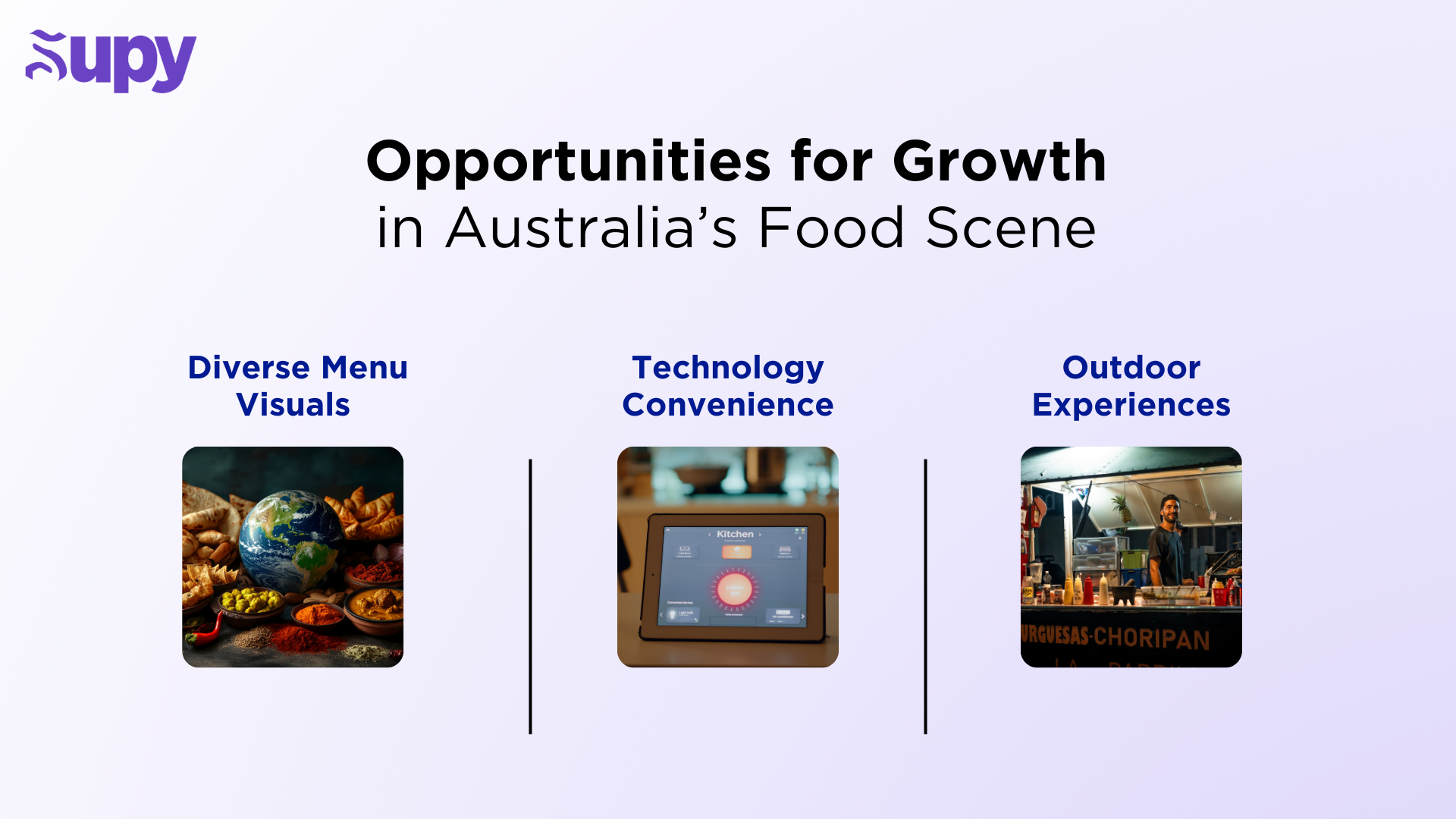
Australia’s evolving food culture opens up plenty of opportunities for restaurant and F&B chain owners to attract customers and grow their businesses. Here’s how you can act on these trends to stay ahead.
1. Add Multicultural Flavors to Your Menu
Take advantage of Australia’s multicultural population by offering dishes from popular cuisines like Indian, Vietnamese, or Middle Eastern. Start by adding a few authentic items to your menu or collaborating with chefs who specialize in these cuisines. Experiment with fusion dishes to create something unique that excites your customers. Host theme nights or cultural food festivals to draw in food lovers looking to try new flavors.
2. Offer Healthier, Fresh Options
Meet the growing demand for health-conscious meals by introducing plant-based dishes, gluten-free options, and meals with fresh, seasonal ingredients. Partner with local farmers to source produce directly, showcasing a farm-to-table concept that appeals to health-focused diners. Add simple, healthy items like quinoa salads, smoothie bowls, or vegan curries to your menu. Highlight the nutritional benefits of these dishes on your menu and social media to attract customers who value wellness.
3. Use Technology to Offer Convenience
Make it easy for customers to interact with your restaurant. Set up online reservation systems and ensure your menus are accessible through QR codes. Partner with delivery platforms like Uber Eats or Menulog to reach more customers, but also consider promoting direct orders through your own website to save on commission fees. Use technology to send personalized offers via email or text, encouraging repeat visits. Make sure your Google Business listing is updated with accurate hours, menus, and reviews.
4. Create Unique Dining Experiences
Go beyond just serving food and focus on creating memorable dining experiences. Introduce live cooking events or storytelling sessions where chefs share the origins of certain dishes. Consider launching themed dining nights—like “Mediterranean Feast Friday” or “Asian Fusion Sunday”—to attract different groups of diners. Decorate your space to match your menu theme, and offer small take-home items like recipe cards or specialty sauces to keep customers coming back.
5. Explore Street Food and Food Trucks
If opening a full restaurant feels daunting or expensive, start with a food truck or pop-up stall. Food trucks are a great way to test new ideas and reach a wide audience at festivals or in high-traffic urban areas. Focus on portable, flavorful dishes like fusion tacos, gourmet burgers, or Asian street food that are easy to prepare and serve quickly. Use social media to share your truck’s location daily and connect with local events to increase visibility.
6. Cater to Solo Diners
Welcome solo diners by offering counter seating and creating spaces where individuals feel comfortable eating alone. Add smaller portion sizes or solo meal deals to your menu, like single-serve pizzas or quick lunch bowls. If you have Wi-Fi, advertise it—many solo diners look for places where they can relax, work, or read while enjoying their meal. Consider placing seating near windows or at open counters to make the experience more enjoyable.
7. Go Green and Promote Sustainability
Appeal to eco-conscious customers by adopting sustainable practices. Reduce food waste by offering smaller portion sizes and tracking inventory more effectively. Switch to biodegradable packaging for takeaway orders and highlight these efforts in your marketing. Partner with local farms for fresh produce and promote this on your menu as a selling point. Share behind-the-scenes stories about your eco-friendly practices on social media to build trust and loyalty among environmentally conscious diners.
5. Conclusion
Australia’s food culture is constantly changing, driven by its diversity and evolving customer preferences. Restaurant and F&B chain owners can stand out by offering unique flavors, healthier options, and memorable dining experiences. Adapting to trends like fusion cuisine, sustainable practices, and innovative formats such as food trucks allows businesses to connect with modern customers. In a competitive market, understanding and acting on these opportunities will help restaurants thrive and keep the dining scene fresh and exciting for everyone.
6. About Supy
To support Australia’s growing and diverse food industry, Supy brings an innovative inventory management solution tailored for restaurants, F&B chains, and food businesses. In a fast-paced environment where managing ingredients, minimizing waste, and meeting evolving customer preferences are critical, Supy helps streamline inventory and improve operational efficiency. Whether you run a fine-dining establishment or a food truck, Supy makes it easier to focus on delivering exceptional meals while keeping your operations smooth and hassle-free.
Book a demo today and discover how Supy can help you stay ahead in Australia’s culinary diversity scene!
Related Resources