Coffee Shop Management Software: How It Simplifies Operations
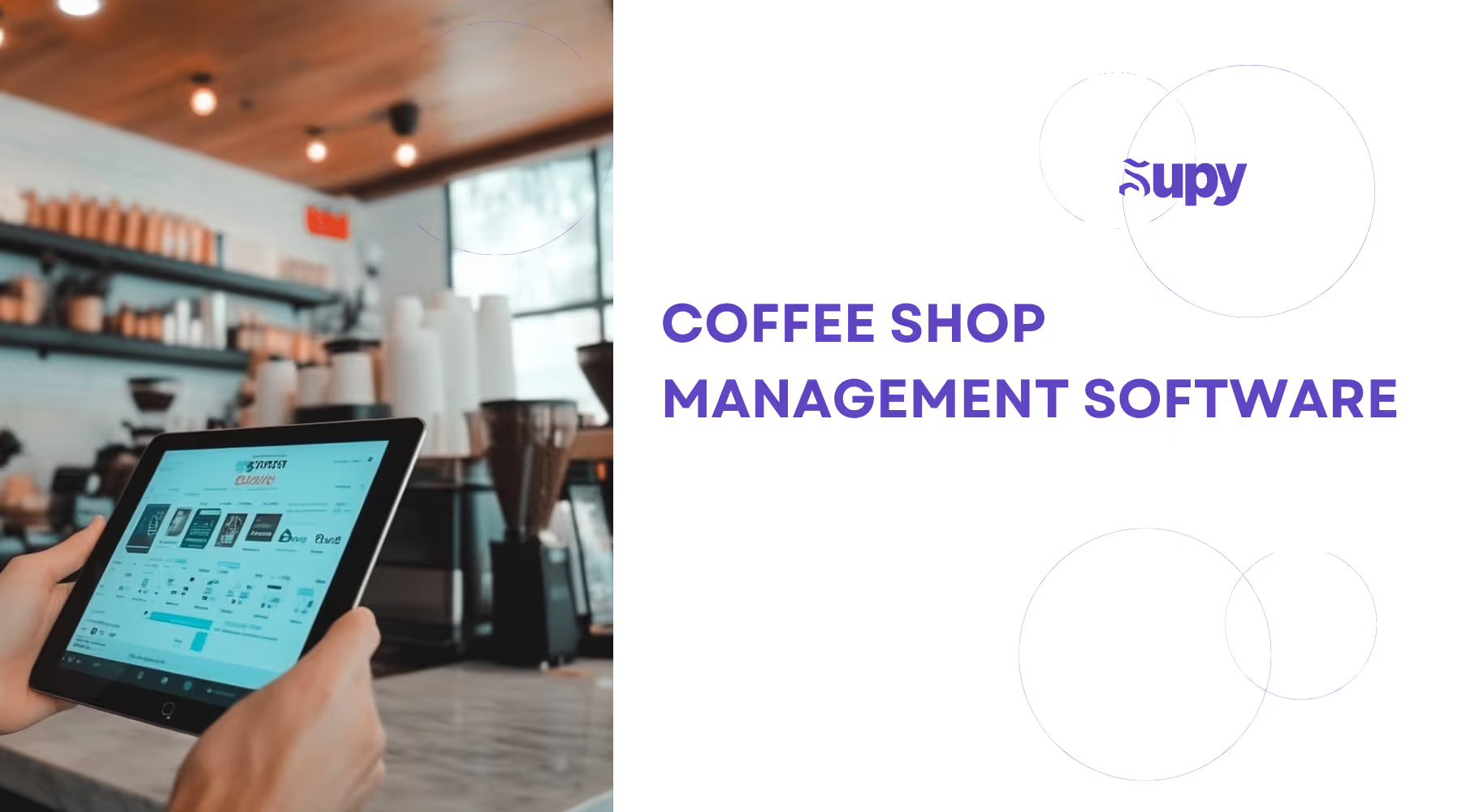
Running a coffee shop business is no small feat. According to the National Coffee Association trends, independent coffee shops sell between 200 and 300 cups of coffee daily, while larger chains hit a staggering 700 cups per day. With such high demand, staying organized and efficient is essential to keeping customers happy and operations running smoothly.
As operations expand, relying on manual methods to handle inventory, staff schedules, and sales tracking becomes increasingly impractical. With 53% of consumers now preferring smaller coffee shops over larger chains, standing out in a competitive market requires smarter, more efficient tools. A coffee shop management software provides a streamlined solution, helping coffee shop businesses simplify daily operations and focus on creating exceptional customer experiences.
Table of Contents:
- What Is Coffee Shop Management Software?
- The Benefits of Coffee Shop Management Software
- Real-Time Inventory Management
- Centralized Multi-Branch Management
- Efficient Staff Scheduling and Performance Tracking
- Streamlined Supplier Management and Ordering
- Detailed Sales Analytics and Insights
- Recipe Standardization for Consistency
- Enhancing Customer Experience
- The Software You Need for Seamless Operations
1. What Is Coffee Shop Management Software?
Running a coffee shop comes with its challenges. Tracking inventory manually can lead to stock shortages or wasted supplies. Scheduling staff without proper tools results in miscommunication and last-minute gaps. Sales tracking through spreadsheets makes it harder to spot trends and optimize the menu. Peak hours often turn chaotic without streamlined workflows, leading to long waits and frustrated customers. Without a structured system, maintaining quality, building customer loyalty, and scaling operations become even more difficult.
Coffee shop management software simplifies these tasks by integrating inventory tracking, employee scheduling, sales monitoring, and customer relationship management into one platform. It keeps everything organized, minimizes human error, and helps coffee shop owners stay in control of their operations without stress.
2. The Benefits of Coffee Shop Management Software
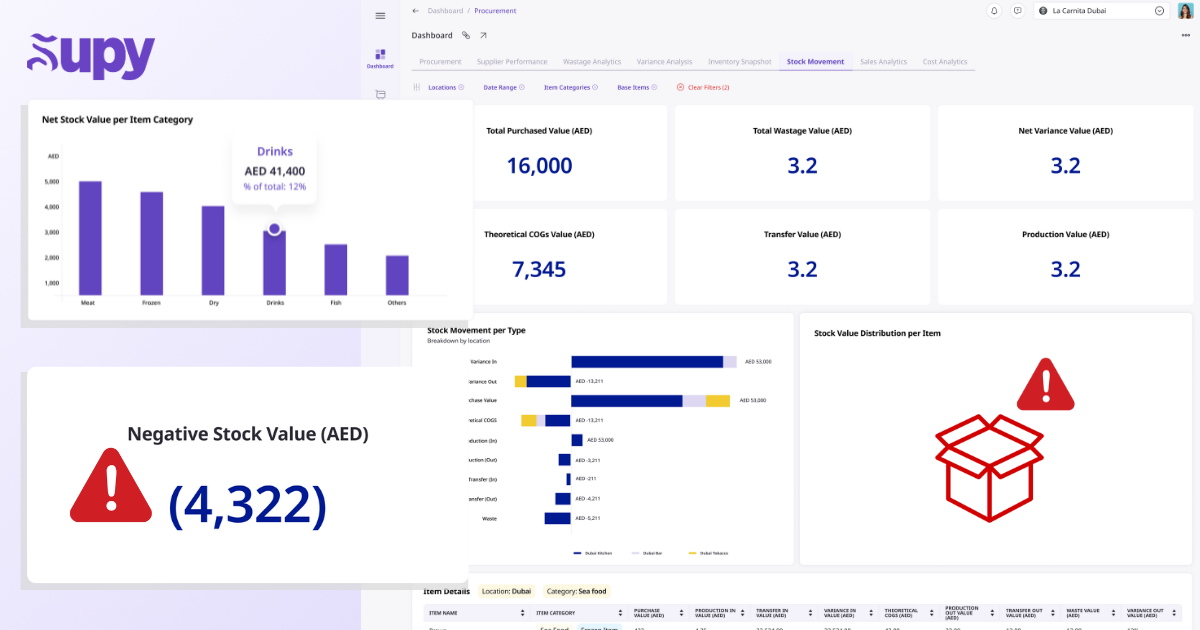
Running a coffee shop successfully requires balancing various tasks, from inventory and staffing to customer service and sales tracking. Coffee shop management software addresses these pain points, providing solutions that simplify workflows and streamline operations.
1. Real-Time Inventory Management
Inventory management is even more critical in coffee shops because most ingredients have a short shelf life. Overstocking items like milk, syrups, and cream can lead to spoilage and unnecessary costs, while running out of essentials like coffee beans or alternative milks during peak hours can turn customers away. Balancing stock levels manually is time-consuming and prone to errors.
With a real-time inventory system, you get instant insights into stock levels and usage patterns, helping you stay ahead of demand.
- Get low-stock alerts when supplies run low, so you can reorder on time and avoid stockouts.
- Track perishable items like milk and syrups to prevent waste and reduce unnecessary costs.
- Analyze usage trends to understand which ingredients sell fastest and optimize purchasing.
- Eliminate manual stock counts with automated tracking, saving time for you and your staff.
- Control costs effectively by maintaining the right balance between demand and inventory levels.
With a real-time system, you can make data-driven decisions, minimize waste, and keep your coffee shop running smoothly.
2. Centralized Multi-Branch Management
The software allows you to manage multiple locations, whether it’s inventory, sales, or staff schedules, all within a centralized platform. Higher leadership can track overall performance at a glance, while branch managers handle location-specific tasks like stock management and employee scheduling. Role-based access control lets each team member access only the information relevant to their role, keeping workflows efficient and operations organized.
- Monitor sales and performance across all locations from a single dashboard.
- View real-time inventory updates to avoid shortages or excess stock.
- Consolidate orders across branches for better pricing and supply chain efficiency.
- Compare branch-wise performance with reports on sales, trends, and customer behavior.
- Maintain pricing and menu consistency while allowing branch-specific adjustments.
With a centralized system, coffee shop owners can expand their business, improve decision-making, and keep operations running smoothly across multiple locations.
3. Efficient Staff Scheduling and Performance Tracking
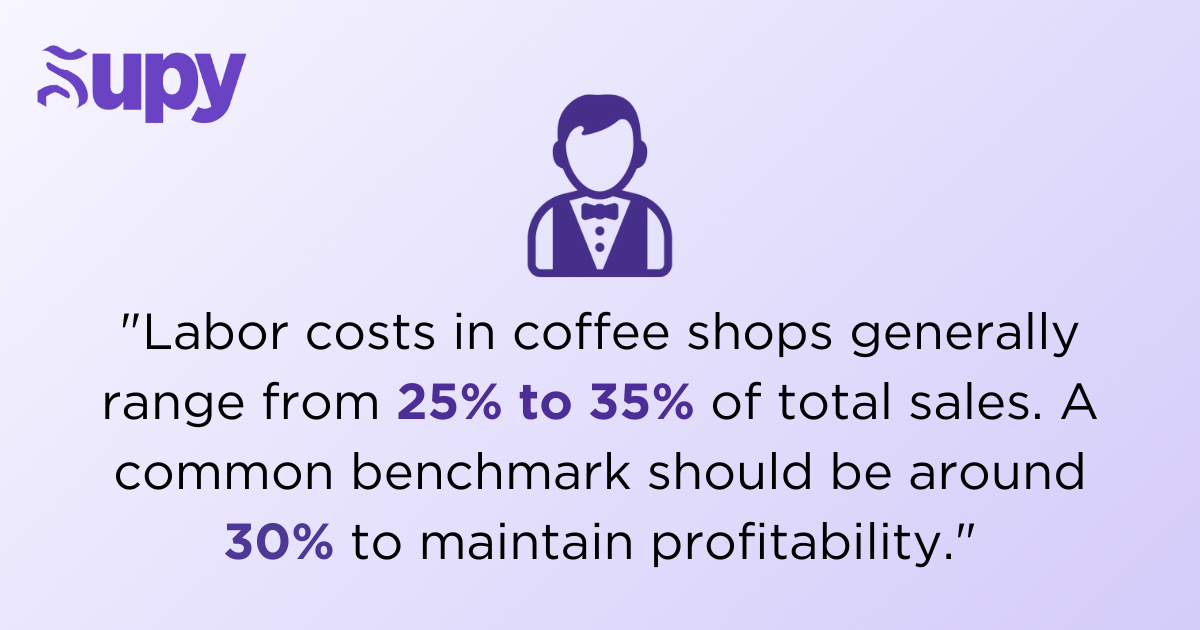
Another hidden benefit of having coffee shop management software is the ability to analyze work patterns and optimize staff scheduling based on real demand. Instead of relying on guesswork or fixed shifts, the software helps assign the right number of employees during peak hours while avoiding overstaffing during slower periods. With better team management, shifts run smoothly, and staff productivity improves.
- Generate optimized schedules based on sales data and customer flow.
- Reduce scheduling conflicts by preventing overlapping shifts and last-minute changes.
- Track employee performance with real-time data on sales, order fulfillment, and efficiency.
- Monitor peak hours and adjust staffing to avoid long wait times and overwhelmed employees.
- Control labor costs by aligning schedules with demand and reducing unnecessary payroll expenses.
Along with this, using an employee task management app allows staff to track daily responsibilities, receive shift reminders, and stay updated on priority tasks. This improves communication, reduces confusion, and helps create a more organized and productive work environment.
4. Streamlined Supplier Management and Ordering
Managing suppliers and inventory manually can lead to delays, errors, and wastage. Coffee shop management software automates ordering, tracks deliveries, and keeps supplier communication organized, reducing the risk of stock shortages or overordering.
- Automate supplier orders based on real-time inventory levels to prevent shortages.
- Track deliveries and returns to avoid delays and incorrect shipments.
- Monitor wastage and stock transfers to reduce losses and optimize inventory use.
- Consolidate supplier transactions for better cost tracking and pricing negotiations.
- Reduce last-minute orders with accurate demand forecasting based on sales trends.
For example, Coffee Address, a growing coffee chain, used Supy's mobile-first system to track stock, wastage, and deliveries in real-time. This helped reduce discrepancies, cut wastage costs, and keep inventory levels consistent across branches.
5. Detailed Sales Analytics and Insights
A cafe POS system provides basic sales data, like daily revenue and transaction counts, but that alone isn’t enough for strategic decision-making. True business insights come from integrating sales data with inventory, staffing, and customer behavior to see the full picture. Coffee shop management software does exactly that, helping owners make informed decisions that improve profitability by consolidating all the tools needed to track performance into one system.
https://youtube.com/shorts/YoL54L3Ll00?si=Aj2FDF9OaBoapCRA
- Identify top-selling and slow-moving items to refine the menu and remove low-margin products.
- Track peak hours and customer flow to schedule staff more efficiently and prevent service slowdowns.
- Analyze seasonal sales trends to plan promotions or introduce limited-time offerings.
- Compare branch-wise performance to apply successful strategies across multiple locations.
- Monitor customer preferences to adjust pricing or bundle popular items for higher sales.
For example, if data shows that iced caramel lattes spike in sales between 2-4 PM but rarely sell in the morning, you can adjust your inventory to stock more caramel syrup in the afternoon and avoid waste in the morning. With integrated reporting and even accounting software, coffee shop owners can make data-driven decisions that boost revenue while keeping costs in check.
6. Recipe Standardization for Consistency
Consistency is key in a coffee shop. Customers expect their favorite drinks to taste the same every time. Maintaining this consistency becomes even more challenging when multiple baristas prepare drinks or when a shop has several locations. Recipe management software features help standardize recipes, ensuring the same quality, taste, and portioning across all orders.
- Store and automate recipes so every barista follows the exact measurements and preparation steps.
- Control ingredient usage by defining precise portions for coffee, milk, syrups, and toppings to reduce waste and control costs.
- Train new staff easily with a built-in recipe guide, reducing errors and maintaining consistency.
- Standardize processes across locations to make sure a caramel macchiato in one branch tastes the same in another.
With a reliable system in place, coffee shops can serve customers the same high-quality drinks every time, building trust and repeat business.
7. Enhancing Customer Experience
In today's competitive market, providing an exceptional customer experience is crucial for coffee shops aiming to build a loyal clientele and encourage repeat visits. When the back-of-the-house operations and front-of-the-house service are aligned with the help of software, everything runs smoother. Customers get faster service, accurate orders, and a more personalized experience, leading to higher customer satisfaction.
- Implement loyalty programs to reward existing customers and increase retention.
- Enable mobile ordering so you can offer customers the convenience of placing and paying for online orders in advance, reducing wait times.
- Streamline payments with integrated cafe POS software for faster transactions and fewer errors.
- Offer personalized recommendations based on purchase history to engage more customers and drive repeat visits.
- Speed up service with real-time order tracking so baristas can prioritize efficiently.
Customers who experience fast, seamless service and personalized perks are more likely to return, boosting repeat business and long-term loyalty.
3. The Software You Need for Seamless Operations
Running a coffee shop comes with many moving parts, from managing inventory to scheduling staff and keeping customers happy. A coffee shop POS system combined with management software simplifies these daily tasks, making operations smoother and more efficient. It helps track stock in real-time, optimize staffing, standardize recipes, and enhance customer experience, all while reducing waste and cutting costs. With an all-in-one solution, owners can manage their entire business from a single platform.
With the right tools, owners can focus on growth instead of manual processes. Explore Supy’s coffee shop management solutions to see how it can transform your business or book a demo to experience it firsthand.