.jpg)

Boosting Efficiency: The Impact of AI in Multi-Branch Restaurants
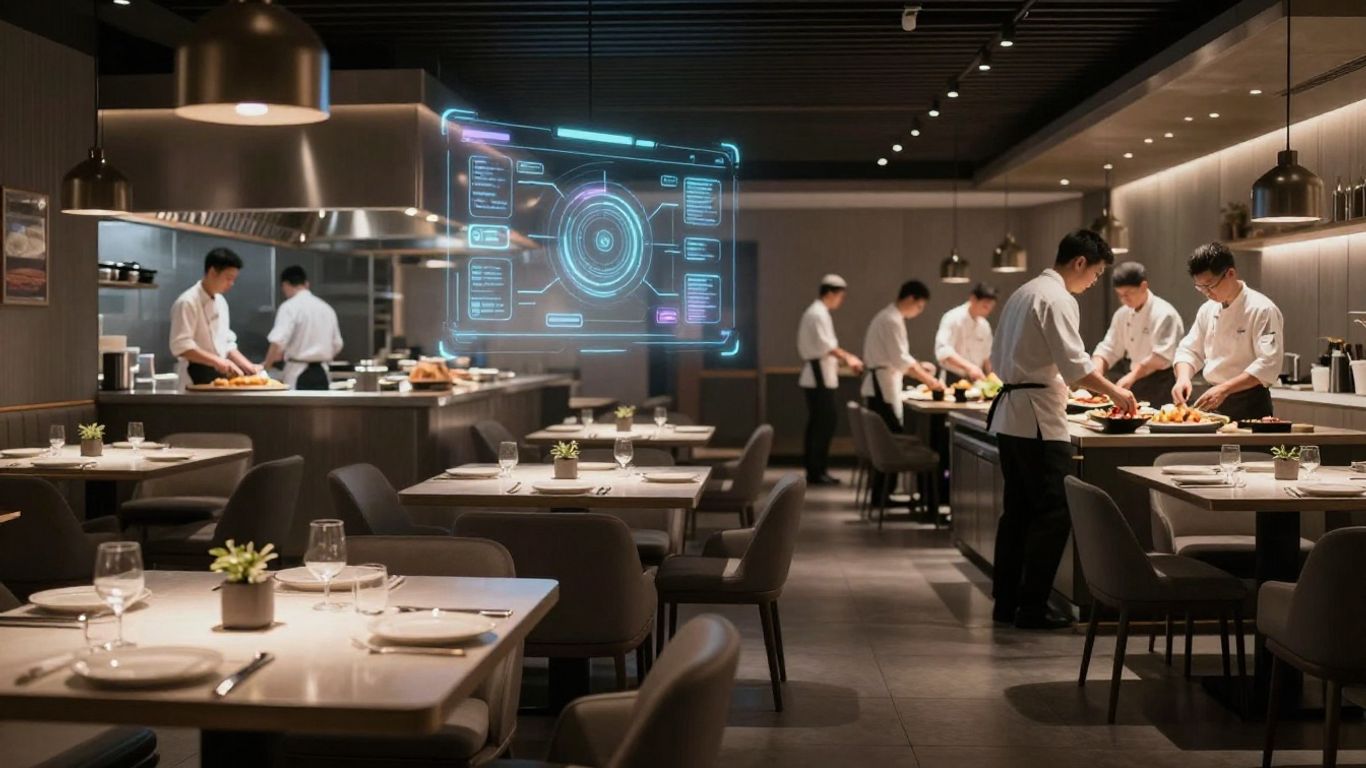
Running a restaurant chain can feel like juggling a dozen things at once, right? Especially when you have multiple locations to keep track of. Things like making sure you have enough fries, figuring out who works when, and keeping customers happy can be a real headache. But what if there was a smarter way to handle all that? That's where artificial intelligence, or AI, comes in. It's changing how restaurants work, from the kitchen to the front counter, and it's a big deal for businesses with more than one spot. Let's talk about how AI in multi-branch restaurants is making things smoother and more profitable.
Key Takeaways
AI helps manage inventory better, so you don't run out of popular items or waste food.
Drive-thru lines move faster and orders are more accurate with AI voice systems.
AI can predict busy times to help schedule staff more effectively, saving money.
Personalized deals and marketing powered by AI keep customers coming back.
Robots and AI tools can handle repetitive kitchen tasks, making food prep more consistent.
Streamlining Operations with AI
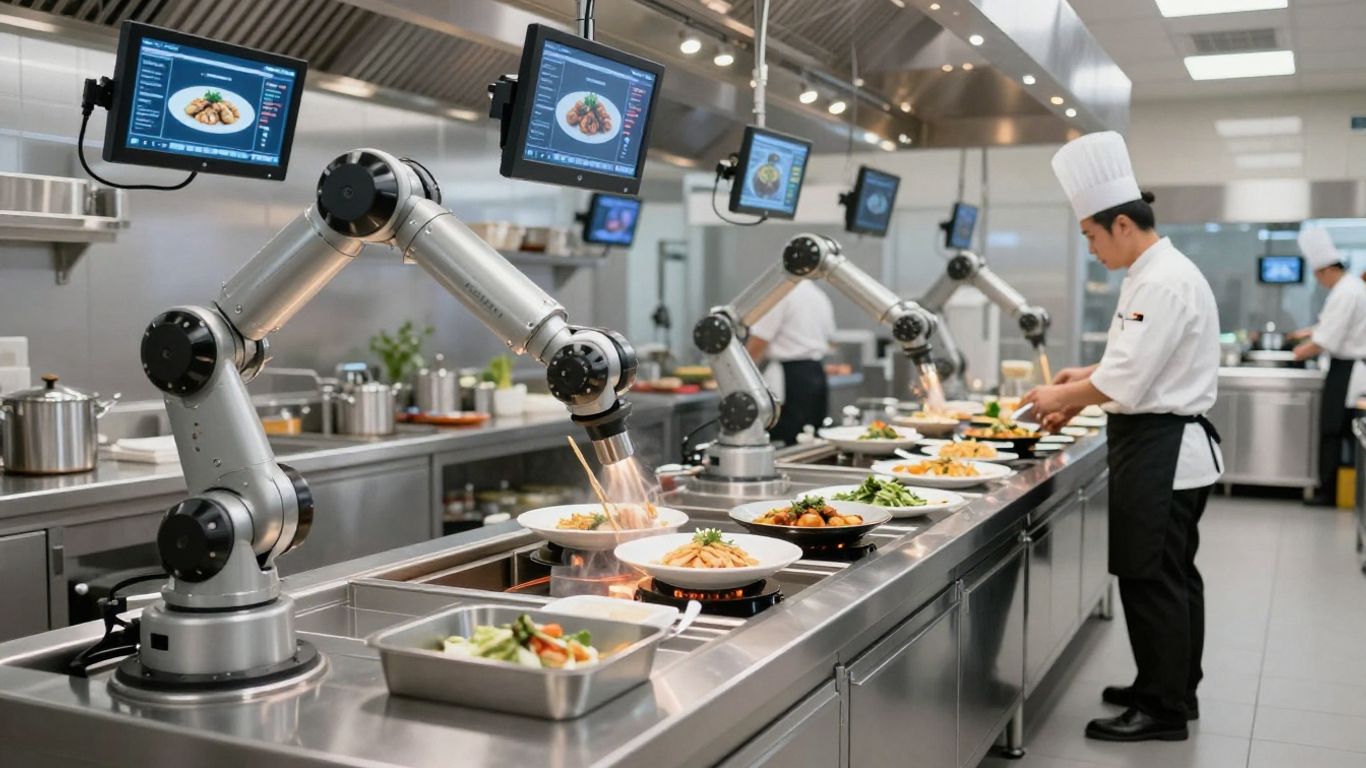
Running a restaurant, especially one with multiple locations, can feel like juggling chainsaws while riding a unicycle. There are so many moving parts, and if one thing goes wrong, the whole show can fall apart. That's where artificial intelligence steps in, not as a magic wand, but as a really smart assistant that helps keep everything running smoothly.
Optimizing Inventory Management
Nobody likes throwing away food that's gone bad, and running out of key ingredients is just as bad. AI can really help here. By looking at past sales data, what's happening with the weather, and even upcoming holidays, AI systems can predict pretty accurately how much of each ingredient you'll need. This means less waste and fewer emergency trips to the store. It's like having a crystal ball for your pantry.
Predicts ingredient needs based on sales history.
Reduces food spoilage and waste.
Automates order suggestions to suppliers.
Minimizes stockouts of popular items.
AI helps take the guesswork out of stocking. Instead of just guessing, you're making decisions based on solid data, which saves money and keeps customers happy because their favorite dishes are always available.
Enhancing Drive-Thru Efficiency
Drive-thrus are often the first impression customers have, and speed matters. AI-powered systems can understand customer orders spoken through a speaker, even with background noise. This speeds up the ordering process and reduces mistakes. Plus, these systems can suggest add-ons or upsells in a way that feels natural, not pushy, which can boost sales without annoying anyone.
Improving Staffing Levels
Figuring out how many staff members you need each shift can be tough. Too many, and you're paying for idle hands. Too few, and customers wait too long, and your team gets overwhelmed. AI can analyze historical traffic patterns, sales data, and even local events to predict busy and slow periods. This allows managers to schedule staff more effectively, making sure you have the right people on hand when you need them most, without overspending on labor.
Forecasts customer traffic by hour and day.
Optimizes staff schedules to match demand.
Reduces labor costs by avoiding overstaffing.
Prevents service delays caused by understaffing.
Elevating Customer Experiences Through AI
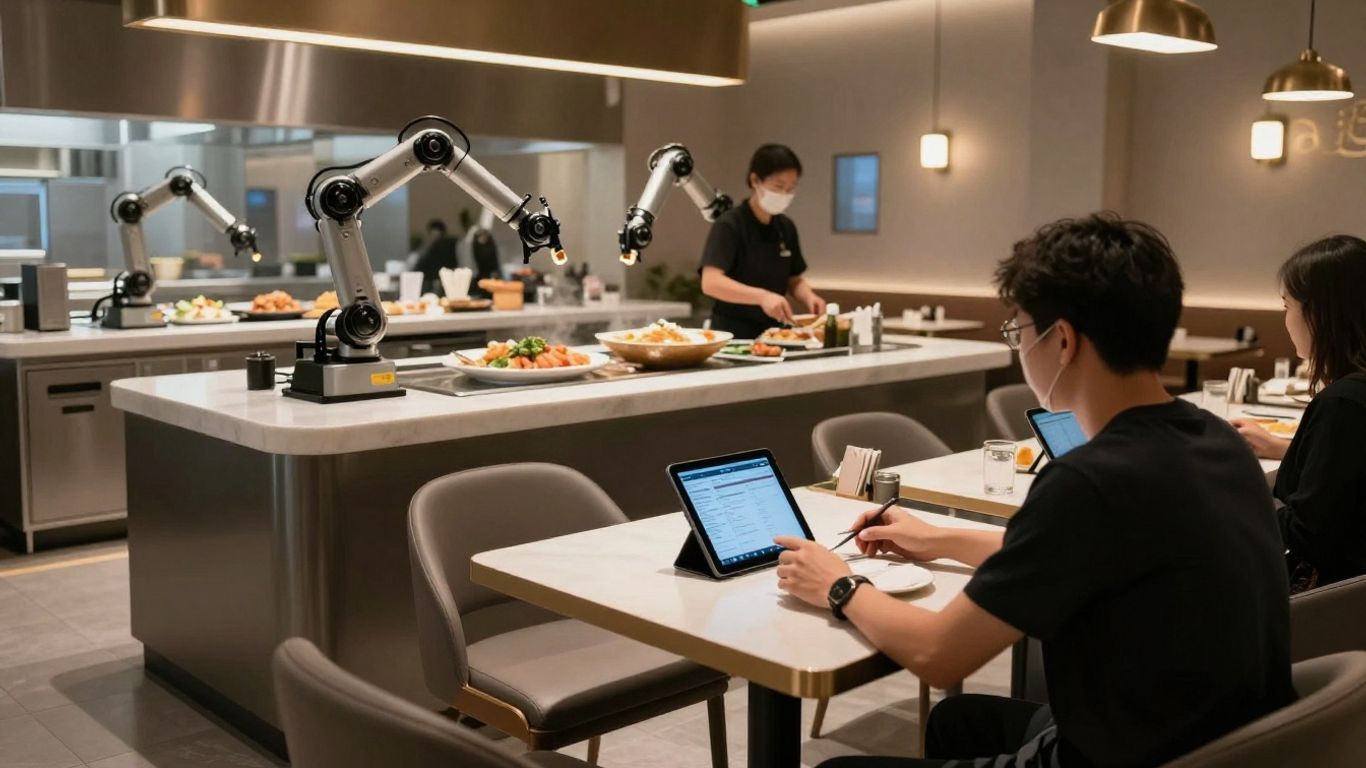
AI is changing how restaurants connect with their customers, making interactions more personal and rewarding. It's not just about speed anymore; it's about making each customer feel seen and valued.
Personalized Recommendations and Promotions
Think about walking into your favorite coffee shop and the barista already knows you like an extra shot of espresso in your latte. AI can do that, but on a much larger scale. By looking at what you've ordered before, any special requests you've made, or even what you've liked on social media, AI can suggest new items you might enjoy. It can also send you special deals that are actually relevant to you, not just generic ads.
AI analyzes past purchase history to suggest new menu items.
It can identify dietary preferences or restrictions to recommend suitable options.
Personalized discounts and birthday offers can be sent directly to customers.
This kind of tailored approach makes customers feel like the restaurant truly understands them. It's a big step up from a one-size-fits-all marketing message.
AI helps restaurants move beyond mass marketing to individual conversations, building stronger relationships with each customer.
Tailored Digital Marketing Campaigns
Most of us interact with restaurants online these days, whether through an app or email. AI helps make these digital interactions much more effective. Instead of sending the same email blast to everyone, AI can help segment customers based on their behavior and preferences. This means you might get an email about a new breakfast special if you're a regular morning visitor, or a promotion on late-night snacks if that's your usual time to order.
Targeted email campaigns based on customer visit frequency.
App notifications for nearby customers about flash sales.
Social media ads shown to users who have previously engaged with the brand.
This smart marketing means less wasted advertising and more effective communication that actually leads to sales.
Boosting Loyalty and Repeat Visits
When customers feel appreciated and get offers that fit their needs, they're more likely to come back. AI plays a big role in creating these loyalty-building experiences. Loyalty programs can become smarter, offering rewards that are more meaningful to the individual customer. For example, instead of just points, a customer might get a free dessert after a certain number of visits, or a discount on their favorite meal.
By making the customer journey more personal and rewarding, AI helps turn one-time visitors into regulars. This focus on individual customer value is key to long-term success in the competitive restaurant world.
The Rise of AI-Driven Robotics in Restaurants
It’s pretty wild how robots are showing up in restaurants now, isn't it? We're not just talking about sci-fi movies anymore. AI is actually powering machines that can do real work in kitchens and even out front.
Automating Back-of-House Tasks
Think about all those repetitive jobs in the kitchen – chopping veggies, flipping burgers, assembling orders. Robots are starting to take those on. Companies are developing machines that can make things like pizzas, fries, and burgers. Chipotle, for example, has been testing a robot called "Chippy" that makes tortilla chips. The idea is to get a consistent, perfectly cooked chip every single time. While some of these are still in the works, simpler things like automated drink dispensers that connect to the order system are closer to being common. They can pour the right drinks, in the right order, without anyone needing to touch a button.
Enhancing Food Preparation Consistency
One of the biggest wins with these robots is consistency. Humans can have off days, or maybe they're just tired. A robot, on the other hand, follows the exact same steps every time. This means your fries come out perfectly crispy, your burger is cooked just right, and your pizza has the same amount of toppings, no matter who's "on duty." This level of sameness is a big deal for multi-branch restaurants that need every location to feel the same to customers.
Robotics in Front-of-House Service
It's not just the kitchen getting the robot treatment. You might see robots rolling around restaurants now, acting as food runners. These autonomous machines can navigate the dining room and deliver trays to tables. This frees up human staff to focus on more important things, like talking to customers or handling tricky requests. It's like having an extra pair of hands that never get tired and always know where to go.
The goal here isn't necessarily to replace all human workers, but to use robots for the tasks that are dull, dirty, or dangerous, or simply very repetitive. This allows the human team to focus on the parts of the job that require a personal touch and problem-solving skills.
Here's a quick look at what robots can do:
Back-of-House: Food prep, cooking, assembly, dishwashing.
Front-of-House: Table delivery, bussing tables, greeting guests (in some advanced cases).
Support Roles: Cleaning floors, security monitoring.
Leveraging Data Analytics for Strategic Decisions
Running a restaurant chain, especially with multiple locations, means you're sitting on a goldmine of information. Think about all the sales, inventory, and customer interactions happening every single day. AI can take all that raw data and turn it into something actually useful for making smart choices. It's like having a super-powered assistant who can spot trends and problems you might miss.
Actionable Insights from POS Data
Your Point of Sale (POS) system is more than just a cash register; it's a treasure chest of data. AI can dig through sales records to show you what's really selling, when, and at which locations. This isn't just about knowing which burger is popular. It's about understanding the nuances – like how a specific side dish sells better on Tuesdays or how a combo deal performs during lunch rushes at one branch but not another. This level of detail helps pinpoint exactly what's working and what's not across your entire operation.
Here’s a quick look at what POS data analysis can reveal:
Top-selling items: Identify your most profitable dishes and drinks.
Sales by time and day: Understand peak hours and days for each location.
Promotion effectiveness: See which discounts or specials actually drive sales.
Customer purchasing patterns: Discover which items are often bought together.
Identifying Operational Inefficiencies
Beyond sales, AI can analyze data from various sources, including inventory and labor management systems, to find hidden problems. For example, it can flag locations where food waste is consistently higher than average, or where staff scheduling doesn't quite match customer traffic patterns. This helps you address issues before they become major drains on your budget. You can get a clearer picture of where money might be slipping through the cracks, allowing for targeted improvements. For anyone trying to establish an efficient modern supply chain, it goes without question that you’ll need seamless data integration across your multiple platforms. AI-powered systems can help you do this by connecting disparate data points across enterprise resource planning (ERP), inventory management, and point-of-sale (POS) platforms, to create a single unified network.
When AI analyzes data from different parts of your business – like sales, inventory, and even staff schedules – it can connect the dots in ways that are hard for people to see. This helps find problems like overstocking certain ingredients or having too many staff on during slow periods, which directly impacts your bottom line.
Forecasting Demand and Sales Trends
Predicting what customers will want and when is a constant challenge. AI can look at historical sales data, consider external factors like local events, holidays, and even weather, and provide much more accurate demand forecasts. This means you can order the right amount of ingredients, schedule staff more effectively, and even plan marketing efforts better. Imagine knowing that a local festival next weekend will likely boost demand for a specific menu item at your downtown branch – that’s the kind of foresight AI analytics can provide, helping you prepare and capitalize on opportunities.
Menu Innovation and Pricing Strategies with AI
Thinking up new dishes and figuring out what to charge for them can be a real puzzle, right? AI is stepping in to help with that, too. It's not just about making things faster; it's about getting smarter with what you put on the menu and how you price it.
Inspiring New Culinary Offerings
AI can look at a ton of information – what's trending online, what people are talking about on social media, and even what ingredients are in season – to suggest new food ideas. It can spot patterns that we might miss, like a growing interest in plant-based options or a specific spice blend. This helps chefs get creative and come up with dishes that customers are likely to want.
Analyzing social media for food trends.
Identifying popular ingredient combinations.
Suggesting dishes based on regional tastes.
AI can help chefs move beyond their usual go-to recipes by showing them what's popular and what combinations might work well, even if they seem a bit unusual at first glance.
Optimizing Menu Pricing
Setting the right price is tricky. Too high, and customers might balk; too low, and you're leaving money on the table. AI can crunch numbers from your sales history, what your competitors are charging, and even local economic factors to suggest the best price points. This means you can make more money without alienating your customers.
Here's a look at how AI helps with pricing:
Exploring Dynamic Pricing Models
This is where things get really interesting. Imagine prices changing slightly based on demand, like during a busy lunch rush or a quiet Tuesday afternoon. AI can manage this kind of dynamic pricing. It's still pretty new in the restaurant world, and how customers will react is something to watch. But AI makes it possible to adjust prices in real-time, which could help manage busy periods and boost sales during slower times. It's a way to be more flexible with your pricing strategy.
Key Considerations for AI Adoption
Bringing AI into your restaurant chain isn't just a flick of a switch; it takes some real thought and planning. It’s not like just buying a new coffee machine. You've got to think about how it fits with what you're already doing and what you want to achieve.
Planning and Investment for AI Integration
First off, you need a solid plan. What problems are you trying to solve with AI? Are you looking to cut down on food waste, speed up your drive-thru, or maybe get a better handle on your staffing? Pinpointing these goals is step one. Then comes the money part. AI tools can cost a pretty penny, not just for the software itself, but also for the training and any hardware upgrades you might need. It’s a good idea to look at the long-term benefits, like saving money on labor or reducing inventory spoilage, to justify the upfront cost. Many restaurant operators are already seeing the benefits of using procurement software to manage costs and inventory across their locations, which can be a good starting point for thinking about tech investments Supy offers restaurant procurement software.
Here’s a quick breakdown of what to think about:
Define Clear Objectives: What specific issues will AI address?
Budget Allocation: How much can you realistically spend on software, implementation, and training?
Phased Rollout: Consider starting with one or two locations to test the waters before a full chain-wide deployment.
Vendor Selection: Research different AI providers and choose one that understands the restaurant business.
Navigating Potential Challenges
Let's be real, things don't always go smoothly. One big hurdle can be getting your staff on board. People might worry about their jobs or feel overwhelmed by new technology. Good training and clear communication about how AI will help them, not replace them, are super important. Think of AI as a tool to make their jobs easier, like automating repetitive tasks so they can focus on customers. Another challenge is making sure the AI actually works with your existing systems, like your point-of-sale (POS) setup. You don't want a bunch of new tech that doesn't talk to each other.
AI is not about a futuristic takeover like Skynet. It's a tool that enhances productivity. Good AI helps managers be more productive by keeping them in the loop. It saves time by automating repetitive tasks and providing insights that would otherwise take a long time to uncover.
Ensuring Data Security and Privacy
This is a big one. AI systems gobble up a lot of data – customer orders, sales figures, employee schedules, you name it. You absolutely have to protect that information. Think about things like customer credit card details or personal preferences. Strong security measures are a must. Plus, there are rules and regulations, like GDPR and CCPA, that you need to follow to keep customer data private. Building privacy into your AI systems from the very beginning, rather than trying to tack it on later, is the smart way to go. It’s about being responsible with the information you collect and use.
Looking Ahead
So, it's pretty clear that AI isn't just some futuristic idea anymore, especially for restaurants with multiple locations. We've seen how it can really help with day-to-day stuff, like figuring out what ingredients to order so nothing goes to waste, or making sure you have enough staff when things get busy. Plus, it’s getting better at making customers feel special with personalized offers. While it might seem like a lot to take in, starting small with one or two AI tools can make a big difference. The restaurants that are paying attention and using these smart technologies are the ones that will likely do better in the long run, keeping both their costs down and their customers happy.
Frequently Asked Questions
How does AI help restaurants manage their food supplies better?
AI is like a super-smart assistant for restaurants. It looks at past sales, the weather, and even holidays to guess how much food you'll need. This helps stop you from buying too much and wasting food, or buying too little and running out of popular items. It's like having a crystal ball for your pantry!
Can AI make ordering food faster at drive-thrus?
Yes! AI can understand what customers are saying, even with background noise. This means fewer mistakes in orders and faster service. It can also suggest extra items, like a drink or dessert, which can help the restaurant make more money and keep customers happy with quick service.
How does AI help make customers happier?
AI can remember what you like to order and even what you're trying to avoid, like certain ingredients. Based on this, it can suggest new meals you might enjoy or offer special deals just for you. This makes you feel special and more likely to come back.
Are robots going to take over restaurant jobs?
Not really. Robots are starting to help with tasks like chopping veggies, making drinks, or even delivering food to tables. Think of them as helpers that make the human staff's jobs easier and faster, especially when it's busy. This helps restaurants serve more people without needing tons of extra workers.
How does AI help restaurants make smart business choices?
Restaurants collect a lot of information, like what's selling well and when. AI can sort through all this data to find hidden patterns. It can show which meals are the most profitable, if a certain location is having problems, or when to expect more customers. This helps owners make better decisions about menus, staffing, and marketing.
Is it hard for restaurants to start using AI?
It can seem a bit tricky at first, like learning anything new. Restaurants need to plan carefully and invest in the right tools. It's important to make sure the technology is safe and keeps customer information private. But the benefits, like saving money and making customers happier, are usually worth the effort.