.jpg)


Mastering Food Cost Control: Essential Strategies for Profitability
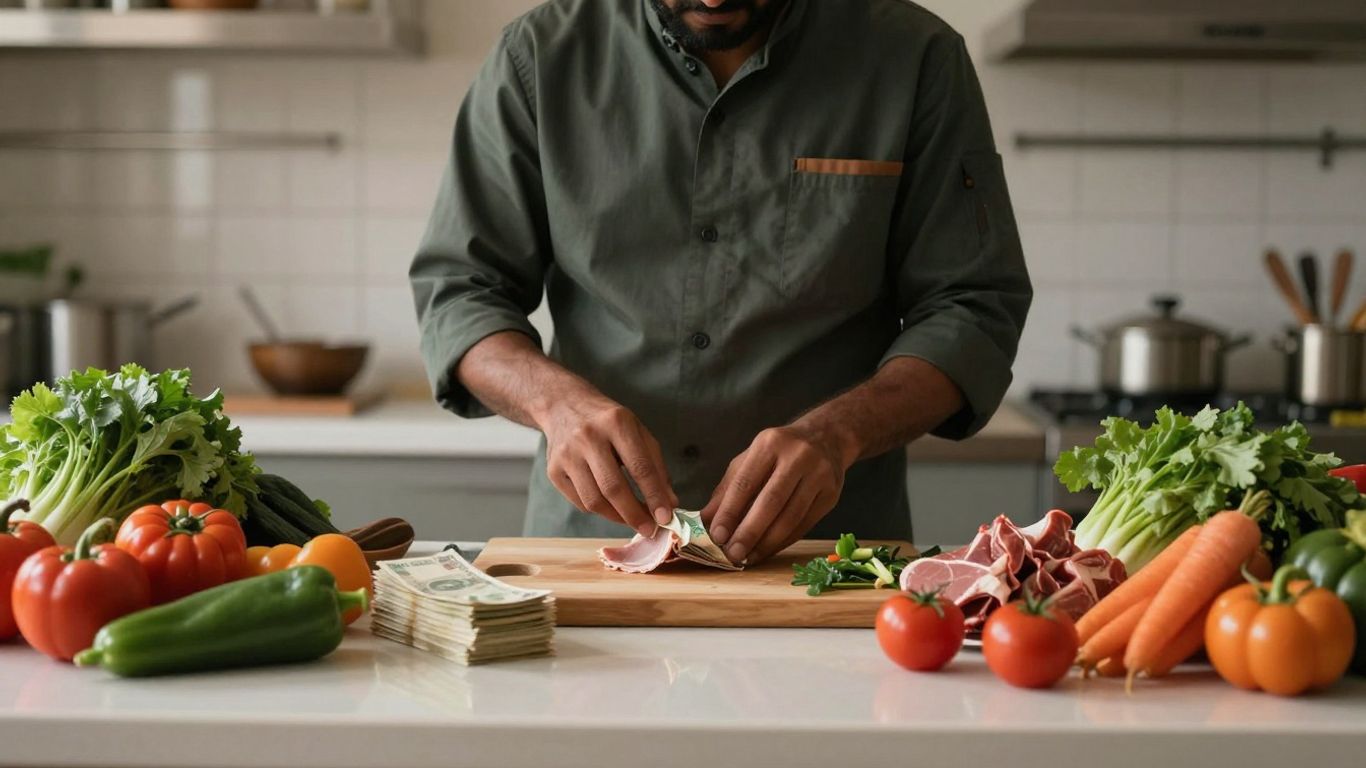
Running a restaurant is tough. You've got food costs, labor, rent, and a million other things to worry about. One big one is food cost control. It sounds complicated, but it's really about knowing what you're spending on ingredients and making sure you're not losing money. We're going to break down some ways to get a handle on this, so your kitchen runs smoother and you actually make a profit. It’s not about being cheap; it’s about being smart with your food.
Key Takeaways
- Knowing exactly what each ingredient costs is step one for good food cost control. You can't manage what you don't measure.
- Keep a close eye on your inventory. Knowing what you have and what's selling helps stop waste and overspending.
- Don't let food go to waste. Find ways to use ingredients in different dishes and be strict about portion sizes.
- Your menu is a powerful tool. Design it smartly, price items right, and know which dishes make you the most money.
- Be aware of hidden costs like waste and theft. Building a team that understands accountability makes a big difference in food cost control.
Understanding Your Food Costs
Alright, let's talk about the nitty-gritty of your food costs. This isn't just about knowing what you pay for ingredients; it's about understanding how those costs affect your bottom line. Think of it like this: if you don't know where your money is going, how can you expect to make more of it?
Calculating Ingredient Costs Accurately
This is where it all starts. You can't control costs if you don't know them precisely. So, grab a notepad or open a spreadsheet. For every single dish you serve, list out every single ingredient that goes into it. Yes, even the pinch of salt or the splash of oil. Then, figure out the exact cost of the amount of each ingredient used in one serving. This means breaking down your bulk purchases into per-ounce or per-gram costs.
For example, if a recipe calls for 4 ounces of chicken breast, and you buy chicken at $3 per pound (which is $0.1875 per ounce), then the chicken for that dish costs you $0.75. Do this for every single item in the recipe.
This detailed breakdown is the foundation of smart cost management.
Analyzing Food Costs for Profitability
Once you know the exact ingredient cost for each dish, you can figure out its food cost percentage. This is a simple but powerful metric. You take the total ingredient cost for a dish and divide it by its selling price. Then, multiply by 100 to get a percentage.
Let's say that chicken dish we costed out at $1.04 per serving sells for $5.00. The calculation would be: ($1.04 / $5.00) * 100 = 20.8%.
This tells you that 20.8% of the selling price goes towards the ingredients. The rest is for labor, overhead, and profit. Knowing this for every item on your menu helps you see which dishes are actually making you money and which ones might be costing you.
The Impact of Food Cost Percentage on Profit
Your overall food cost percentage is a big deal. Most restaurants aim for a food cost percentage between 28% and 35%. If yours is consistently higher, it's a red flag. It doesn't necessarily mean your suppliers are ripping you off; often, it points to problems in how you're running things.
High food costs can sneak up on you. It might be from inconsistent portion sizes, waste in the kitchen, or even theft. These issues eat into your profit margins without you always realizing it until it's too late. Getting this number right is key to keeping your business healthy.
Here are some common culprits for a high food cost percentage:
- Waste: Food that spoils before it's used, or is thrown away during prep.
- Over-portioning: Staff giving out larger servings than the recipe calls for.
- Theft: Ingredients or prepared food being taken without authorization.
- Poor Inventory Management: Not knowing what you have, leading to over-ordering or spoilage.
- Inaccurate Recipes: Recipes that aren't costed out correctly from the start.
Understanding these factors is the first step to taking control and making sure your restaurant is as profitable as it can be.
Strategic Purchasing and Inventory Management
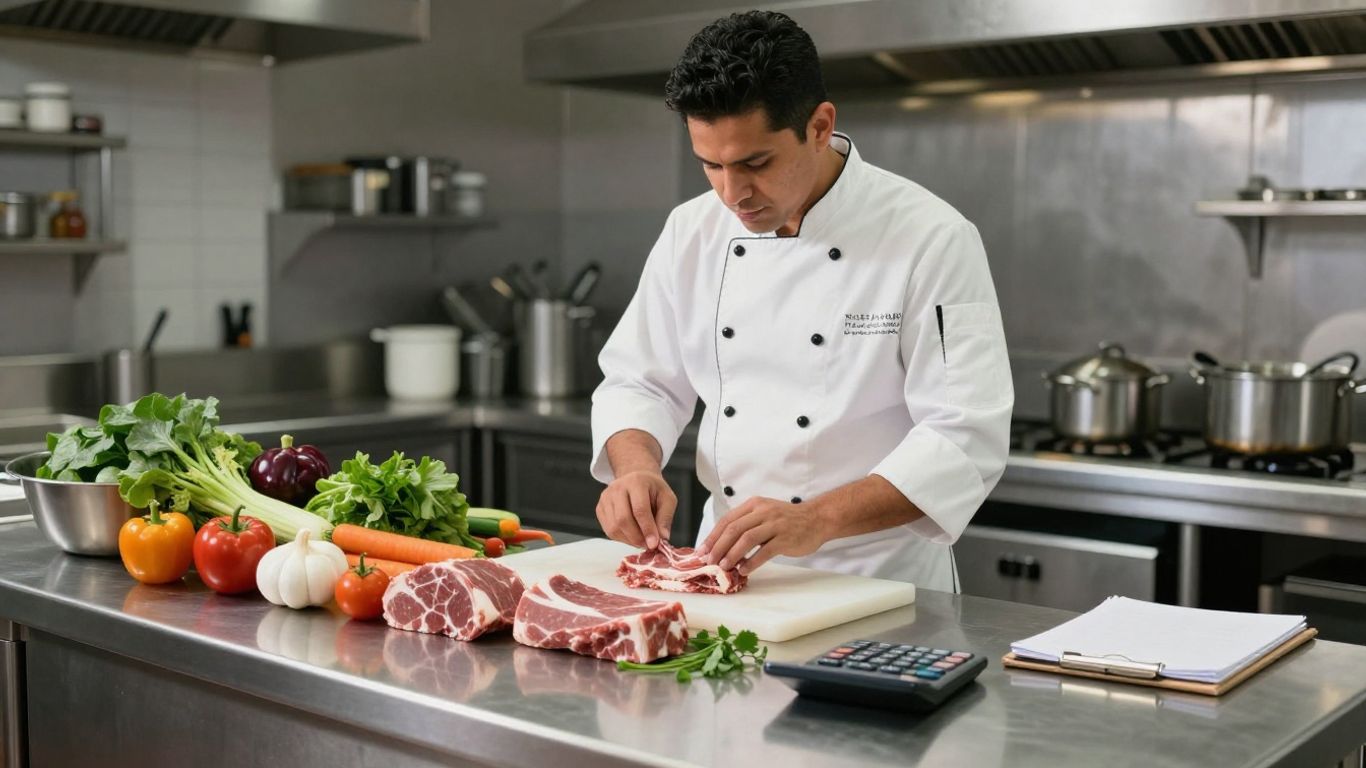
High food costs often start the moment an order is placed. Your relationship with suppliers and how you manage stock are your first lines of defense. Smart purchasing is about more than just the lowest price; it's about making strategic calls that protect your margins every single day.
Mastering Your Purchasing Habits
Buying ingredients is where your food cost journey really begins. It's not just about grabbing whatever's cheapest. You need to be smart about it. Think about what's in season – those items are usually less expensive and taste better. Also, don't just stick with one supplier. Get quotes from a few different places. This keeps them honest and makes sure you're getting a good deal. Building a good relationship with your vendors can also pay off. They might offer better prices or more flexible payment terms if they know you're a reliable customer.
- Compare prices regularly from multiple suppliers.
- Buy produce when it's in season for better cost and quality.
- Build strong relationships with your vendors.
Implementing Disciplined Inventory Systems
Your storage areas – the walk-in, freezer, and dry storage – are basically holding your cash. If you don't know what's in there, that cash can disappear fast. You need a system. The most basic one is First-In, First-Out (FIFO). It sounds simple, and it is: use the older stuff before the new stuff. This stops food from expiring and going to waste. You have to train your staff on this until it's automatic. Doing regular checks, not just a big count once a month, is also key. Spot-check your high-cost items like meat and dairy a few times a week. This helps you catch problems early, like over-ordering or items going bad.
A well-managed inventory is like a financial safety net for your kitchen. It prevents money from being tied up in excess stock and stops valuable ingredients from ending up in the trash.
Leveraging Supplier Negotiations and Sourcing
Don't be shy about talking to your suppliers. You can often get better deals if you ask. Negotiate prices, ask about bulk discounts, or see if they can offer better payment terms. It's also smart to look for new sources for your ingredients. Sometimes another supplier might have a better price or a higher quality product. Sourcing locally when possible can also sometimes reduce shipping costs and support your community, while also ensuring freshness.
Here's a quick look at what to consider:
- Negotiate pricing and terms: Always ask for the best possible price and payment schedule.
- Explore multiple suppliers: Get quotes from at least three vendors for key items.
- Consider local sourcing: This can sometimes reduce costs and improve freshness.
Minimizing Waste and Maximizing Efficiency
Strategies for Reducing Food Waste
Look, nobody likes throwing away good food. It's like tossing money straight into the bin. The first step to cutting down on waste is just being more aware of what's actually getting tossed and why. Is it because you ordered too much? Did something go bad before you could use it? Or maybe it's just scraps from prep work that could have been used elsewhere. Keep a simple log for a week or two. You might be surprised at what you find.
- Track your waste: Note down what's being thrown out, the quantity, and the reason. This data is gold.
- Proper storage is key: Make sure your refrigerators and dry storage areas are set up correctly. Use clear containers so you can see what you have. Rotate stock using the FIFO (First-In, First-Out) method – that means the older stuff gets used first.
- Get creative with ingredients: Think about how you can use every part of an ingredient. Vegetable scraps can make stock. Stale bread can become croutons or breadcrumbs. Don't let anything go to waste if it doesn't have to.
Being mindful of what you're buying and how you're using it makes a huge difference. It's not just about saving food; it's about saving money too.
Improving Kitchen Efficiency Through Systems
A well-oiled kitchen runs smoother, faster, and with less stress. This often comes down to having good systems in place. Think about your prep work. Are tasks organized logically? Do your cooks know exactly what needs to be done and in what order? Having standardized recipes is a big part of this. When everyone follows the same steps and measurements, you get consistent results and fewer mistakes.
- Standardize recipes: Write down every recipe with exact measurements and clear instructions. This isn't just for consistency; it helps with ordering and cost calculations too.
- Organize your workspace: A clean and organized kitchen makes a big difference. Make sure frequently used items are within easy reach. Label everything clearly.
- Streamline prep: Group similar prep tasks together. For example, chop all your onions for the day at once, rather than pulling out the cutting board and knife every time a recipe calls for them.
Cross-Utilization of Ingredients for Cost Savings
This is where you really start to see the savings pile up. Instead of buying a specific ingredient for just one dish, try to find ways to use it in multiple menu items. This cuts down on inventory, reduces waste, and can even simplify your ordering process.
For example, if you buy a big bag of spinach for a salad, can you also use some of it wilted in a pasta dish? Or maybe in an omelet special? Think about proteins too. Chicken breasts can be grilled for a salad, diced for a stir-fry, or sliced for sandwiches. The more ways you can use an ingredient, the less likely it is to sit around and go bad.
The goal is to make every ingredient work for you.
The Power of Portion Control
You know, sometimes the smallest things make the biggest difference in a restaurant's bottom line. And when it comes to food costs, portion control is one of those things. It’s not just about making sure customers get a decent amount of food; it’s about making sure you don't lose money on every plate.
Standardizing Portion Sizes Rigorously
This is where it all starts. If your cooks are just guessing how much pasta goes on a plate or how many ounces of chicken to put in a sandwich, you're asking for trouble. Consistency is king here. When every single order of the same dish looks and weighs the same, you can actually calculate your costs accurately. It also means your customers get the same experience every time they order it, which is good for repeat business.
Think about it: if one plate gets an extra ounce of steak, that's a few cents right there. Multiply that by dozens or hundreds of orders a week, and suddenly those few cents add up to a significant chunk of your profits. Standardized recipes aren't just for fancy cookbooks; they're your financial roadmap.
Investing in Portioning Tools
This is the practical side of standardization. You can't expect your team to eyeball portions perfectly, especially during a busy dinner rush. You need tools. This means:
- Digital scales: For weighing proteins, vegetables, and anything where precision matters.
- Portion scoops and ladles: Standard sizes for things like rice, mashed potatoes, sauces, and soups.
- Measuring cups and spoons: For liquids and dry ingredients in prep.
- Pre-portioned ingredients: Sometimes, it's easier to buy or prep things like burger patties or cookie dough in exact weights beforehand.
These aren't huge expenses, but they pay for themselves incredibly quickly by preventing over-serving. It takes the guesswork out of it for your staff, making their jobs easier and your costs more predictable.
Training Staff on Portion Guidelines
Having the tools and recipes is one thing, but your team needs to know how to use them and why it's important. Regular training sessions are a must. Explain the cost implications of over-portioning. Show them how to use the scales and scoops correctly. Make it clear that following these guidelines isn't about being stingy; it's about running a smart, profitable business.
When portion control is built into the workflow, protecting your food cost percentage becomes almost automatic. It's about creating habits that safeguard your profits without sacrificing quality or customer satisfaction. Make it part of the culture, and you'll see the difference.
Menu Engineering for Optimal Profitability

So, you've got your costs figured out, your purchasing is tight, and waste is minimal. Great! Now, let's talk about how your menu itself can work harder for you. This is where menu engineering comes in. It's not just about making things look pretty; it's a serious business tool.
Strategic Menu Planning and Design
Think of your menu as your restaurant's roadmap to profit. Every item on it has a job to do. Strategic planning means looking at what you're offering and figuring out which items are actually making you money and which ones are just taking up space. It involves looking at sales data and ingredient costs to see the real picture. For instance, a dish might be super popular, but if its ingredients are expensive and portions are too big, it could be a money drain. On the flip side, a less popular item might be a goldmine if its costs are low and it's priced right. Making smart choices here can really change your bottom line. It's about making sure your menu reflects your profit strategies report and what your customers want, without sacrificing your earnings.
The Role of Menu Engineering
Menu engineering is basically a way to analyze how well each dish is performing. We look at two main things: how popular it is (how many people order it) and how profitable it is (how much money it makes after costs). Based on this, we can sort items into categories:
- Stars: These are your best sellers and are highly profitable. You want to keep these shining. Feature them, maybe even tell a little story about them on the menu. Never let the quality dip on these.
- Plowhorses: These are popular but not super profitable. Everyone orders them, but they don't bring in a ton of cash. You might tweak the price a little, adjust the portion size, or find slightly cheaper, quality ingredients to boost their profit margin.
- Puzzles: These are profitable but don't sell much. Why? Maybe the name is confusing, the description is bland, or the price seems too high. Try renaming it, training your servers to push it, or running it as a special to see if you can get more people to try it.
- Dogs: These are neither popular nor profitable. They're just sitting there. Honestly, it's often best to just remove them to make room for items that actually contribute to your profits.
Analyzing your menu this way helps you make informed decisions. It's not guesswork; it's data-driven strategy. You can spot operational issues like waste or sloppy portioning just by looking at which items aren't performing as expected. It also helps you make better purchasing decisions, as you'll know which ingredients are tied to your most profitable dishes.
Analyzing Menu Item Profitability
To really get a handle on profitability, you need to look at each item individually. This means knowing the exact cost of every ingredient that goes into a dish and how much you're charging for it. A simple spreadsheet can help track this. You'll want to calculate the food cost percentage for each item. A common target is to keep food costs around 25-35%, but this can vary.
Here’s a quick look at how you might categorize items:
By understanding these categories, you can make smart adjustments. Maybe you promote your 'Stars' more, find ways to make 'Plowhorses' more profitable, figure out why your 'Puzzles' aren't selling, and consider removing your 'Dogs'. This kind of analysis is key to making sure your menu is a profit-generating machine, not just a list of dishes.
Effective Menu Pricing Strategies
So, you've got your costs figured out, your inventory is in check, and your kitchen is running like a well-oiled machine. Now comes the part where you actually make money: setting your prices. This isn't just about slapping a number on a dish; it's a strategic move that directly impacts your bottom line. Getting your menu pricing right is as important as the food itself.
Understanding Different Pricing Approaches
There are a few ways to go about pricing your menu items. You're not limited to just one method, and often, a mix works best. Think about what kind of vibe you want your restaurant to have and who you're trying to attract.
- Cost-Plus Pricing: This is pretty straightforward. You calculate the cost of making a dish (ingredients, labor, overhead) and then add a set percentage for your profit. It’s a solid way to make sure you're covering your bases, but it doesn't always consider what customers are willing to pay.
- Competitive Pricing: Here, you look at what similar restaurants are charging for comparable dishes. You want to be in the ballpark, but you don't want to be the cheapest if you're offering a premium experience, nor the most expensive if you're aiming for volume.
- Value-Based Pricing: This method focuses on what the customer perceives the dish to be worth. If you're using rare ingredients or offering a unique dining experience, you can often charge more, even if the direct cost is lower.
- Psychological Pricing: Think about prices ending in .99. It’s a classic trick that can make a price seem lower than it is. It’s a small thing, but it can influence buying decisions.
Choosing the Right Pricing Strategy
Deciding which pricing strategy to use, or how to combine them, really depends on your specific situation. You need to look at your target audience, your competition, and what makes your restaurant stand out. For instance, if you're in a busy downtown area with lots of office workers, you might lean towards value-based pricing for quick lunches. If you're a fine-dining establishment, premium pricing might be more appropriate. It’s all about finding that sweet spot where customers feel they're getting a good deal and you're making a healthy profit. Remember, accurate costing is the foundation for strategic pricing.
Balancing Value and Profit Margins
Ultimately, you want your customers to feel like they're getting great value for their money, while you're also making enough profit to keep the doors open and the business growing. This is where menu engineering comes into play. By understanding which dishes are popular and which are most profitable, you can make smart decisions about pricing and placement on your menu. For example, if a dish is a customer favorite but doesn't bring in much profit (a 'plowhorse' in menu engineering terms), you might look for small ways to increase its price slightly or reduce its portion size without anyone noticing. Conversely, a dish that's highly profitable but not selling well (a 'puzzle') might need a better description or a nudge from your servers.
Setting prices isn't a one-time task. It requires ongoing attention. Market conditions change, ingredient costs fluctuate, and customer preferences evolve. Regularly reviewing your menu prices and making adjustments ensures you stay competitive and profitable.
Here's a quick look at how menu engineering can categorize your dishes:
- Stars: High popularity, high profitability. These are your winners. Keep them front and center.
- Plowhorses: High popularity, low profitability. People love them, but they don't make you much money. Look for small margin improvements.
- Puzzles: Low popularity, high profitability. They make money, but few people order them. Figure out why – maybe a confusing name or description?
- Dogs: Low popularity, low profitability. These are candidates for removal to make space for better performers.
Addressing Hidden Food Cost Factors
Sometimes, the biggest drains on your food costs aren't obvious. You might be tracking ingredient prices and portion sizes, but other things can quietly chip away at your profits. It's like having a slow leak in a tire – you might not notice it right away, but it's definitely costing you.
The Impact of Food Waste and Theft
Food waste is a huge one. When food gets thrown out because it spoiled, was prepped incorrectly, or simply wasn't used in time, that's money straight into the trash. It's not just about the cost of the ingredients themselves, but also the labor and resources that went into preparing them. Theft, whether it's outright stealing or more subtle things like unauthorized staff meals or over-pouring drinks, also adds up. These losses increase your cost of goods sold without bringing in any revenue.
Combating Shrinkage and Unauthorized Usage
Shrinkage is a catch-all term for these kinds of losses. It includes everything from spoilage and waste to theft and errors. To fight it, you need systems in place. This means:
- Strict inventory management: Knowing exactly what you have, where it is, and when it expires is key. Use a 'first-in, first-out' (FIFO) system religiously.
- Clear policies on staff meals and comps: Make sure everyone knows the rules and that any 'off-the-books' usage is tracked.
- Regular audits: Periodically check inventory levels against sales records to spot discrepancies.
Think of your inventory as cash on hand. If you don't know exactly how much cash you have, or if it's just sitting there getting old and unusable, you're losing money without even realizing it. Tight control over what comes in and what goes out is non-negotiable.
Building a Culture of Accountability
Ultimately, controlling these hidden costs comes down to your team. If your staff understands the impact of waste and theft on the business, they're more likely to be mindful. Training them on proper storage, prep techniques, and the importance of accurate tracking is vital. Creating an environment where everyone feels responsible for minimizing waste and preventing loss is the most effective long-term strategy. This isn't about creating a police state; it's about fostering a shared sense of ownership and respect for the business's resources.
Wrapping It Up: Your Kitchen's Bottom Line
So, we've talked a lot about keeping an eye on where your food money goes. It really comes down to being smart about what you buy, how you store it, and how much you use. When you get a handle on your inventory, cut down on waste, and make sure everyone's portioning things right, your profits start looking a lot better. It’s not about being cheap; it’s about being organized and aware. Think of it like this: a well-run kitchen that pays attention to costs is a kitchen that can keep serving great food without bleeding money. It makes everything else, from happy customers to a less stressed staff, fall into place.
FAQ's
1. What is food cost, and why is it important?
Food cost is simply the money a restaurant spends on the food it sells. Keeping this cost in check is super important because it directly affects how much money the restaurant actually makes. If food costs are too high, there's less profit left over. It's like making sure you don't spend more on ingredients than you earn from selling the dishes.
2. How do I figure out the cost of my ingredients?
To know your ingredient cost, you need to look at how much you pay for each item, like a bag of flour or a pound of chicken. Then, figure out how much of that item goes into a single dish. Multiply the cost of the amount used by the number of dishes you sell. Doing this for every ingredient in a recipe gives you the total cost for that dish.
3. What's the best way to keep track of food I have?
Keeping a close eye on your food inventory is key. This means knowing exactly what you have in stock, from your pantry to your freezer. Regularly counting everything and using a 'first-in, first-out' (FIFO) system, where you use older items before newer ones, helps prevent food from going bad and getting wasted. It also stops you from buying things you already have too much of.
4. How can I stop food from being wasted?
Wasting food is like throwing money away! You can reduce waste by planning meals carefully, using ingredients in different dishes (like using leftover chicken in a soup), storing food properly so it lasts longer, and training your staff to be mindful of how much they use. Also, make sure you're only prepping what you think you'll need.
5. What is menu engineering, and how does it help?
Menu engineering is like being a detective for your menu. It means looking at which dishes sell the most and which ones make you the most money. By understanding this, you can arrange your menu to highlight the most profitable items. You might put popular, high-profit dishes in a prime spot or adjust prices slightly to make sure you're making good money on everything you sell.
6. Besides ingredients, what else can affect my food costs?
Lots of things can sneakily increase your food costs! This includes food that gets thrown away or spoils (waste), mistakes in measuring ingredients that lead to bigger portions than planned (portion control issues), and even theft, whether it's by customers or staff. Making sure your team is trained well and that you have good systems in place helps catch and prevent these hidden costs.

.jpg)