.jpg)

AI in Restaurants: Optimizing Teamwork and Labor for Operators

Running a restaurant is tough. You've got food costs, keeping customers happy, and then there's the whole team. Making sure you have the right people on shift, not too many and not too few, is a constant puzzle. Plus, you want your staff to be able to do their best work without feeling overwhelmed. It turns out, there's a new helper in town: AI. This isn't about robots taking over, but about smart tools that help you manage your team and labor better, making your restaurant run smoother.
Key Takeaways
- AI helps restaurants make better decisions about staffing by looking at past sales, weather, and local events to predict busy times. This means you can schedule just the right number of people.
- Instead of just guessing, AI gives managers clear advice on how many staff are needed and when to order supplies, cutting down on waste and saving money.
- AI tools can handle some of the more routine tasks, freeing up your staff to focus on serving customers and making their experience better.
- By using AI to manage inventory, restaurants can order exactly what they need, reducing food waste and making sure popular dishes are always available.
- The goal of AI in restaurants isn't to replace workers, but to give managers and staff tools to work smarter, leading to better operations and happier teams.
Leveraging AI for Smarter Restaurant Operations
Understanding AI's Role Beyond Robotics
When people hear "AI in restaurants," they often picture robots flipping burgers or serving tables. While robotics is part of the picture, artificial intelligence is much broader than just physical machines. Think of AI as a super-smart assistant that can look at a ton of information and help make better choices. It's not about replacing people, but about giving them better tools to do their jobs. AI helps make sense of the complex data that restaurants deal with every day. It can spot patterns in sales, customer behavior, and even the weather that a human might miss. This means managers can stop guessing and start making decisions based on solid information.
AI as a Strategic Decision-Making Tool
AI is becoming a go-to for restaurant leaders who want to be more strategic. Instead of just reacting to what happens, AI helps predict what might happen. This is a game-changer for things like scheduling staff or ordering supplies. For example, AI can look at past sales data, upcoming holidays, local events, and even the weather forecast to suggest the perfect number of staff for a shift. It can also tell you exactly how much of an ingredient to order so you don't end up with too much or too little.
Here's how AI helps with decision-making:
- Predicting Demand: Analyzes historical sales and external factors to estimate future customer traffic.
- Optimizing Resources: Recommends staffing levels and inventory orders based on predicted demand.
- Identifying Trends: Spots patterns in customer preferences and sales that can inform menu changes or promotions.
AI takes the guesswork out of running a restaurant. It turns raw data into clear, actionable advice, helping managers feel more confident about their daily choices.
The Growing Adoption of AI in Restaurants
It might surprise you, but a lot of restaurants are already using AI in some way. It's not just for big chains anymore; smaller places are finding ways to use these tools too. Many restaurants are investing in AI because it directly impacts their bottom line by cutting down on waste and making sure they have the right staff on hand. This technology is becoming more accessible, often integrated into the software systems restaurants already use, making it easier to get started without a massive overhaul.
- Nearly 9 out of 10 restaurants are using some form of AI or automation.
- Common applications include inventory management, scheduling, and customer service chatbots.
- The focus is on practical tools that improve efficiency and reduce costs.
Optimizing Labor Through Predictive AI
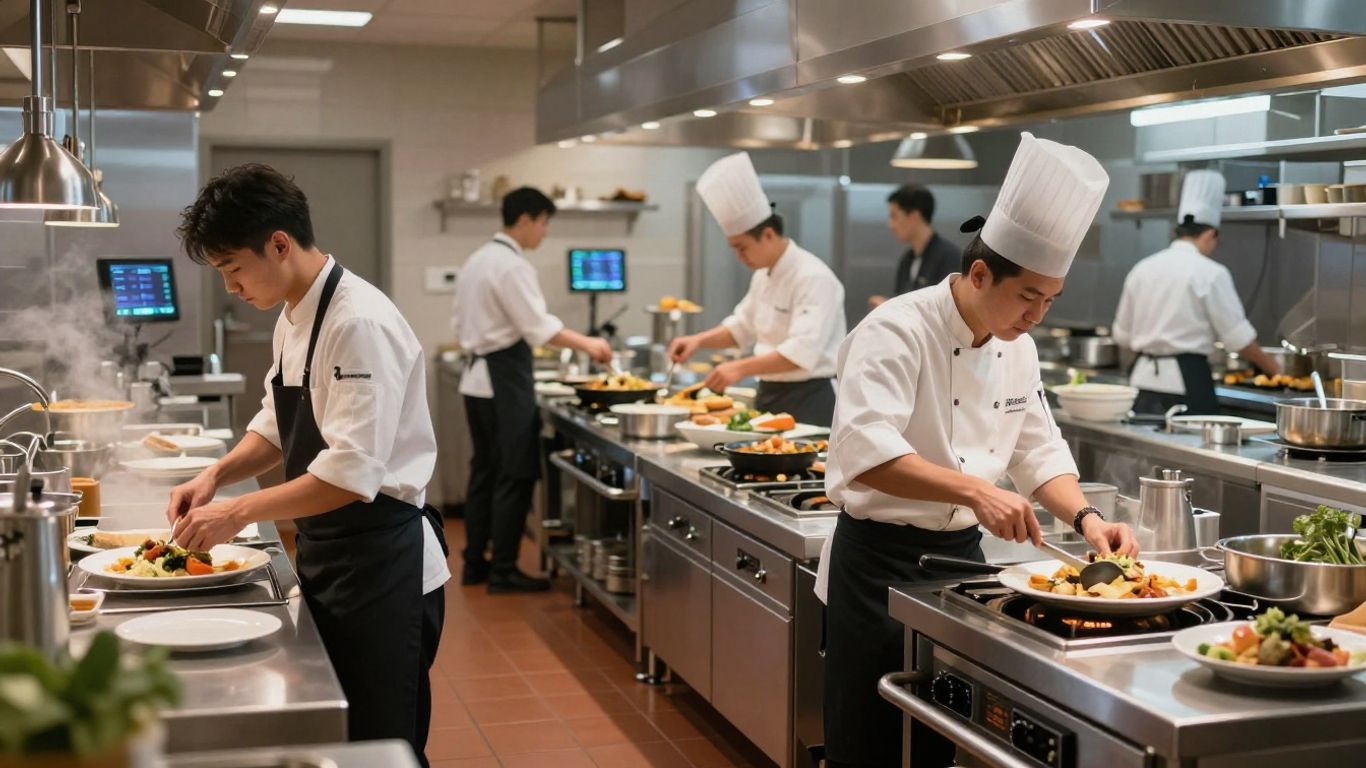
Figuring out how many people you need on staff for any given shift can feel like a guessing game, right? You've got historical data, sure, but then something unexpected happens - a local festival pops up, the weather takes a wild turn, or a big event is announced. All of a sudden, your carefully planned schedule might be way off. This is where predictive AI steps in, taking a lot of the guesswork out of the equation.
AI-Powered Predictive Labor Scheduling
Instead of just looking at last week's sales, AI systems can crunch a lot more numbers. They look at your sales history, yes, but also things like local events, holidays, even the weather forecast. This allows for schedules that are much more in tune with what's actually going to happen. It means you're less likely to have too many people on a slow Tuesday or not enough hands on deck during a sudden rush.
Here's a look at what goes into it:
- Historical Sales Data: Your own past performance is a big piece of the puzzle.
- External Factors: Weather patterns, local events, and even school holidays can significantly impact customer traffic.
- Real-time Trends: Some systems can even pick up on immediate shifts in demand.
The goal isn't to replace the manager's judgment, but to give them a much clearer picture. It's about providing data-backed suggestions so decisions are made with more confidence.
Forecasting Demand with Data-Driven Insights
Accurate forecasting is the bedrock of good labor management. AI tools can analyze patterns that a human might miss. For instance, they can identify that a specific combination of a sunny weekend and a local sports game usually leads to a 15% increase in lunch orders, but only if it doesn't rain. This level of detail helps in predicting not just overall traffic, but specific times and menu item popularity.
Balancing Staffing Needs with Operational Agility
With better forecasts, you can create schedules that are more efficient. This means having the right number of people, with the right skills, at the right time. It's not just about cutting costs, though that's a nice side effect. It's also about making sure your team isn't overworked or underutilized. When staff are busy but not overwhelmed, they tend to do a better job and are happier. This agility also means you can react faster if a forecast changes. If a sudden event causes a surge in demand, the system can flag it, and you can quickly adjust staffing or prep without a lot of scrambling.
Enhancing Team Efficiency with AI
AI isn't just about crunching numbers; it's about making the day-to-day grind smoother for everyone on your team. Think of it as a smart assistant that handles the tedious stuff, so your people can focus on what they do best. This means managers get help making tough calls, and staff have more time to connect with customers.
Empowering Managers with Actionable Recommendations
Running a restaurant means making a million decisions, often on the fly. AI takes a lot of the guesswork out of it. Instead of just looking at past sales, AI systems can look at everything - sales history, upcoming holidays, local events, even the weather forecast - to give managers a clearer picture of what's coming.
- Predicting peak times: AI can forecast busy periods with surprising accuracy, helping managers schedule just the right amount of staff.
- Inventory alerts: It can flag when certain ingredients are running low or when there's too much of something that won't get used.
- Menu adjustments: AI can suggest which items are popular and which might need a rethink based on sales data.
AI systems don't just spit out data; they translate it into simple, practical advice. This helps managers feel more confident about their decisions, whether it's adjusting the schedule for tomorrow or planning for next week.
Freeing Up Staff for Guest Engagement
When AI takes over tasks like inventory counts or basic customer queries, your front-line staff get a break. They're not stuck doing repetitive paperwork or answering the same questions over and over. This extra time is gold.
- More face-time with customers: Staff can spend more time greeting guests, taking orders accurately, and making sure everyone has a great experience.
- Handling special requests: With less pressure from routine tasks, employees can give more attention to guests with specific needs or dietary restrictions.
- Team support: Staff can help each other out more, creating a more collaborative and less stressed work environment.
Improving Teamwork Through Seamless Operations
When the back-end operations run smoothly, the whole team benefits. AI helps connect different parts of the restaurant's operations, making sure everyone is on the same page.
This kind of coordination means fewer mistakes, less wasted time, and a more positive atmosphere. Ultimately, AI helps create a more efficient and enjoyable workplace for everyone involved.
AI's Impact on Inventory and Waste Reduction
Keeping track of what you have in stock and making sure it doesn't go bad before you can use it is a constant challenge in the restaurant business. It feels like you're always either running out of something important or throwing away food that's past its prime. This is where artificial intelligence is really starting to make a difference, helping kitchens run smoother and saving money.
Intelligent Inventory Optimization
AI can look at your sales history, see what's popular, and even consider things like upcoming holidays or local events to figure out exactly what ingredients you'll need. It's not just about guessing; it's about using data to make smart ordering decisions. This means you're less likely to run out of key items during a busy service, which is a huge relief for both staff and customers.
- Predicts ingredient needs based on sales data.
- Accounts for seasonality and special events.
- Provides specific order quantities to minimize shortages.
Reducing Food Waste with AI Forecasting
Food waste is a big problem, not just for your wallet but for the environment too. AI helps tackle this head-on. By accurately forecasting how much of each dish you'll sell, the system can tell you precisely how much of each ingredient to prep and use. This means less food gets left on the shelves or in the fridge until it's too late. It's about using what you buy before it spoils. This kind of smart inventory management can lead to significant cost savings, as highlighted by solutions designed to tackle food waste effectively.
AI systems can analyze past sales, current trends, and even external factors like weather to suggest optimal inventory levels. This proactive approach prevents over-ordering and reduces the likelihood of spoilage, directly impacting the bottom line.
Meeting Demand Without Overstocking
Imagine knowing exactly how much chicken breast or how many heads of lettuce to order each week. AI makes that possible. It helps you strike that perfect balance - having enough to serve all your customers, even during unexpected rushes, but not so much that you end up with excess that will likely go to waste. This careful planning means you can focus more on cooking great food and less on worrying about what's going to expire next.
The Future of Restaurant Workforce Management
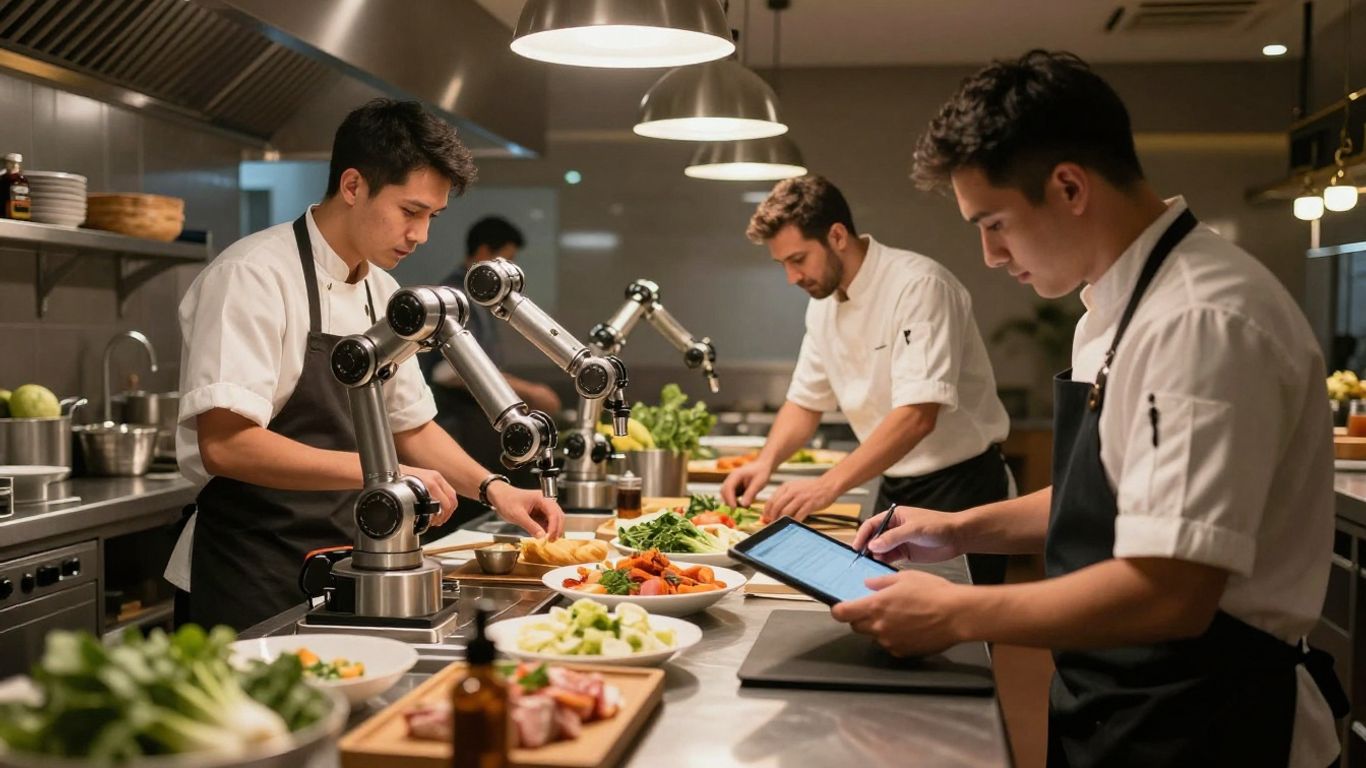
The restaurant business is always moving, right? One minute it's packed, the next it's quiet. Keeping the right number of people on staff without spending too much money is a big puzzle. This is where smart technology, especially AI, is really starting to change things. It's moving us away from those messy spreadsheets and group texts for scheduling.
AI and Automation in Workforce Dynamics
Think about how much data restaurants collect now. AI can look at past sales, what the weather's doing, and even local events to guess how busy you'll be. This means you can set up shifts that actually match the customer flow. It's not just about filling spots anymore; it's about having the right person there at the right time. This kind of smart scheduling helps cut down on wasted labor hours and makes sure you're not caught short when it gets busy.
- Predicting customer traffic based on historical data.
- Adjusting staffing levels automatically for unexpected rushes.
- Reducing overtime costs by optimizing shift lengths.
The market for scheduling software is growing fast. People are spending more on tools that help manage staff better. This shows that restaurants know they need these systems to stay competitive and run smoothly.
Data-Driven Scheduling for Compliance and Efficiency
Rules about worker hours and predictable schedules are getting stricter. It's tough to keep up manually. AI-powered systems can help make sure you're following all the laws. They can also make schedules that work better for employees, like giving them more notice or letting them swap shifts easily through an app. This makes workers happier and less likely to quit, which is a huge win in an industry with high turnover.
- Ensuring compliance with fair workweek laws.
- Improving employee satisfaction through flexible scheduling options.
- Reducing administrative work for managers.
Investing in Technology for Team Success
Getting the right tech isn't just about saving money; it's about building a better workplace. When managers have tools that make scheduling easier and give them clear information, they can focus more on leading their teams and improving service. Staff who feel their schedules are fair and manageable are more engaged. Ultimately, using these advanced systems helps create a more stable, efficient, and pleasant environment for everyone, from the kitchen to the front of the house.
AI Applications for Enhanced Guest Experiences
It's not just about serving food anymore; it's about making every customer feel like a VIP. AI is stepping in to help restaurants create those memorable moments that keep people coming back. Think about it: when a place remembers your usual order or suggests something new you might actually love, it feels pretty good, right? That's the power of AI at work, making dining feel more personal and special.
Personalizing Customer Interactions with AI
Restaurants are getting smarter about how they connect with guests. Instead of a one-size-fits-all approach, AI helps tailor interactions. This can start before a guest even arrives. For example, loyalty programs and online ordering systems collect data on past choices. AI then uses this information to offer custom recommendations. If you always order the spicy chicken sandwich, the system might suggest a new dish with a similar flavor profile. It's like having a personal server who knows your tastes.
- Tailored Dish Suggestions: Based on past orders and stated preferences (like vegan or gluten-free).
- Customized Promotions: Sending targeted offers that align with a customer's buying habits.
- Personalized Greetings: Some systems can even recognize repeat customers and greet them by name, making them feel instantly welcome.
This level of personalization goes beyond just food. Imagine walking into a restaurant where the music or lighting subtly adjusts based on the time of day or even a known customer's preference. It's about creating an atmosphere that feels just right for each individual.
AI helps bridge the gap between knowing your customers and truly understanding them, turning data into genuine connections.
Streamlining Ordering Processes
Nobody likes waiting around, especially when they're hungry. AI is making ordering faster and easier. Self-service kiosks are becoming more common, and they're getting smarter. Some can even recognize repeat customers through facial recognition, pulling up their favorite orders in seconds. For those on the go, voice ordering through smart devices is a game-changer. You can place an order while you're driving or busy with other tasks. This technology is also finding its way into drive-thrus and in-restaurant ordering systems, allowing for more natural, conversational interactions.
Here's how AI is speeding things up:
- Kiosk Personalization: Recognizing customers and suggesting past favorites.
- Voice Ordering: Allowing hands-free ordering via smart assistants or in-car systems.
- Tabletop Tech: Interactive menus where guests can customize orders, split checks, and pay directly.
This shift towards self-service puts more control in the hands of the diner, making the entire process quicker and more convenient. It also frees up staff to handle more complex requests or simply be more present on the floor. You can find out more about how AI is revolutionizing the hospitality industry.
Improving Customer Service Through AI Support
Even with all the tech, sometimes you just need to ask a question. AI is stepping in to handle common inquiries, freeing up human staff for more involved issues. Automated phone answering systems, for instance, can handle a high volume of calls, answering frequently asked questions about hours, location, or menu items. This means fewer missed calls and quicker responses for customers. Some systems can even send links for online ordering or reservations directly to the caller. For restaurants like Poppy's Pizza & Grill, this has meant saving staff from answering dozens of calls daily, allowing them to focus on in-house guests. The goal is to make sure every customer interaction, whether with a person or a bot, is positive and efficient.
Conclusion
AI is showing up in restaurants in all sorts of ways, but it’s not about replacing people. It’s about making life easier for everyone working there. From smarter scheduling to better inventory tracking, these tools help managers and staff focus on what really matters - serving good food and keeping guests happy. Sure, there’s a learning curve, and not every restaurant will jump in at the same pace, but even small steps can make a big difference. When AI takes care of the repetitive stuff, teams have more time to work together and solve real problems. In the end, it’s about using technology to support the people who make restaurants run. If you’re curious about how AI could fit into your own place, it might be worth checking out a demo or talking to others who’ve tried it. The future of restaurant work isn’t about robots taking over - it’s about giving teams the tools they need to do their jobs better and with less stress.