How To Optimize Your Restaurant Procurement With Restaurant Inventory Software & Data Analysis
In the competitive world of dining, optimizing restaurant procurement is crucial for enhancing ordering processes and boosting efficiency and profitability. This blog will explore the indispensable role of restaurant inventory software in streamlining operations and reducing waste. We'll discuss how integrating this technology with systems like point-of-sale (POS) can simplify management tasks, leverage data for informed decision-making, and minimize food waste, ultimately improving your bottom line. By diving into topics such as improving ordering processes, leveraging data analysis, and reducing operational waste, we'll demonstrate how these tools are not just technological enhancements but strategic necessities that enable restaurants to thrive in a demanding market.
Table of Contents
- The Role of Restaurant Inventory Software in Procurement Optimization
- Integrating Inventory Software with POS Systems
- Utilizing Data Analysis for Demand Forecasting and Stock Optimization
- Leveraging Insights for Supplier Negotiations and Cost Savings
- Broad Applications of Data Analysis in Restaurant Operations
- Conclusion
- About Supy
1. The Role of Restaurant Inventory Software in Procurement Optimization
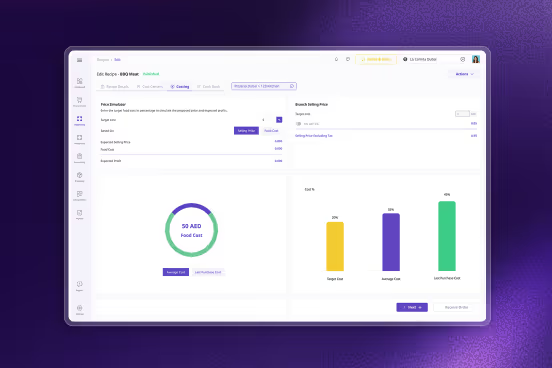
Utilizing restaurant inventory software is essential for refining our procurement procedures. This technology provides sophisticated forecasting features and real-time inventory monitoring, seamlessly integrating with point-of-sale (POS) systems. Restaurant inventory software not only simplifies the ordering process to ensure optimal inventory levels but also significantly reduces food waste and supports robust data-driven decision-making.
By thoroughly analyzing past sales and inventory data, restaurant inventory software enables us to predict future demand accurately. This allows us to make necessary adjustments to our menu, enhancing our ability to respond to customer preferences and seasonal trends. Furthermore, armed with comprehensive data, we can engage in more favorable negotiations with suppliers, securing better terms and prices that reflect our actual needs.
Implementing this technology effectively boosts our operational efficiency, promotes sustainability in ordering practices, and strengthens our supplier relationships. The broad capabilities of restaurant inventory software transform our procurement strategies, leading to substantial cost reductions and improved operational dynamics. This is particularly vital in the highly competitive restaurant industry, where efficiency can be a significant advantage. With restaurant inventory software, we're not just keeping up; we're setting the pace for success.
2. Integrating Inventory Software with POS Systems
Combining restaurant inventory software with point-of-sale (POS) systems offers a robust and reliable solution for tracking and managing inventory in real time. This seamless integration of various systems enables the implementation of automatic ordering recommendations, significantly improving communication with suppliers and facilitating centralized inventory management. This is particularly crucial for restaurants operating across multiple locations.
Such integrations ensure the implementation of uniform and effective inventory management procedures, allowing for prompt adjustments to stock levels and optimizing operational processes. The increased control and oversight provided by this integration are essential for maintaining operational uniformity and streamlining procurement procedures in the ever-changing restaurant industry.
By leveraging this technology, we can enhance our procurement strategy, ensuring that our operations are as efficient and cost-effective as possible. This not only helps in maintaining consistency across all locations but also improves our ability to adapt quickly to market demands and customer preferences.
3. Utilizing Data Analysis for Demand Forecasting and Stock Optimization
Data analysis is pivotal in enhancing restaurant procurement by enabling accurate demand forecasts and stock optimization. Through restaurant inventory software, we utilize historical sales data and customer purchase patterns to precisely predict future demand and adjust our inventory orders accordingly. This proactive management approach effectively prevents both excess inventory and shortages, maintaining an optimal balance that closely aligns with real-time customer demand.
By strategically implementing data analysis, we can significantly improve our operational efficiency. This leads to a reduction in waste and ensures we are well-prepared to meet customer needs without the burden of excessive storage and avoidable costs. This streamlined approach not only optimizes our resource use but also enhances our ability to respond swiftly and effectively to market changes, boosting overall customer satisfaction and operational agility.
4. Leveraging Insights for Supplier Negotiations and Cost Savings
Utilizing data from restaurant inventory software to negotiate with suppliers and reduce costs is an advanced strategy that extends beyond basic inventory management. By analyzing detailed purchase habits and consumption data, we gain a powerful tool for engaging in negotiations with suppliers that result in more favorable terms. This data-driven approach enhances supplier relationships by fostering transparency and informed discussions, which in turn lead to significant cost reductions.
As a result, we can achieve better pricing, superior product quality, and more advantageous delivery schedules, all contributing to increased profitability and operational efficiency. This method not only strengthens our partnerships but also positions our restaurant to operate more strategically and cost-effectively in a competitive market. By leveraging this information, we ensure that every procurement decision is backed by robust data, maximizing our operational leverage and improving our bottom line.
5. Broad Applications of Data Analysis in Restaurant Operations
Data analysis is critical across various sectors of restaurant operations, significantly enhancing both efficiency and financial success:
Inventory Management: By leveraging data-driven insights, we can maintain accurate stock levels, which reduces waste and improves order accuracy—key factors in ensuring smooth operations and minimizing costs.
Menu Optimization: Analyzing sales data allows us to discern which dishes are popular and which aren't meeting expectations. This insight enables us to make targeted menu adjustments, improving customer satisfaction and boosting profitability.
Employee Performance: Comprehensive analytics help in evaluating staff performance, guiding training initiatives, and operational enhancements that collectively improve service quality.
Predictive Analysis: Advanced data analysis provides valuable foresight into market trends and customer behaviors, enabling proactive operational and strategic planning.
Financial Health: Data-derived insights uncover trends in profitability and areas ripe for cost reduction, supporting more informed financial decision-making.
Market and Competitor Analysis: Analytics on competitors and market dynamics equip us to adjust our strategies effectively, staying competitive and responsive to market shifts.
Marketing Optimization: Data analysis tailors marketing efforts to align with customer preferences, enhancing engagement and maximizing marketing investment returns.
Food Waste Reduction: By examining food usage and waste patterns, we implement more sustainable practices, reducing our environmental impact and decreasing expenses.
Incorporating data analysis into these areas brings multifaceted benefits. It not only boosts efficiency and reduces costs but also enhances the overall customer experience, paving the way for a restaurant's long-term success and sustainability.
6. Conclusion
Optimizing restaurant procurement with the aid of restaurant inventory software and robust data analysis not only streamlines the ordering process but also maximizes efficiency and profitability. The integration of these technologies into everyday operations empowers restaurants to thrive in a competitive market by making informed, data-driven decisions that resonate with both operational needs and customer expectations.
Utilizing restaurant procurement software effectively is the key to achieving these goals, ensuring that every decision is supported by accurate data and advanced analytics.
7. About Supy
Supy is a pioneering, data-driven inventory management platform tailored for the restaurant industry, designed to optimize back-of-house operations and enhance procurement models. With an integrated suite that includes Procurement, Invoices & Settlements, Inventory Management, Menu & Recipes, Central Kitchen, and Reports & Analytics, Supy empowers restaurants to make informed decisions that cut costs and boost profits.
Our platform is engineered to bring precision to your procurement processes by enabling a seamless flow of data across purchasing, inventory, and sales. This holistic approach ensures that every dollar spent is tracked and every procurement decision is optimized for both cost-efficiency and market demand. We take pride in our system's accuracy, flexibility, and user-friendly design, which make it an indispensable tool for over 2000 leading hospitality businesses, including renowned names like Tashas, Pinza!, and Sucre.
At Supy, we understand the challenges of managing high costs and low profits. That's why our platform is crafted to not just measure and control your costs, but to actively reduce them. Join the ranks of successful restaurateurs who trust Supy to refine their procurement strategies and achieve remarkable profitability. If you're facing financial pressures in your restaurant business, it's time to choose Supy—because controlling costs is just the beginning.