.jpg)

為什麼繁忙的餐廳仍然會破產?可見性如何拯救他們
.png)
Watch extracts
Guest & host

.png)
Episode Summary
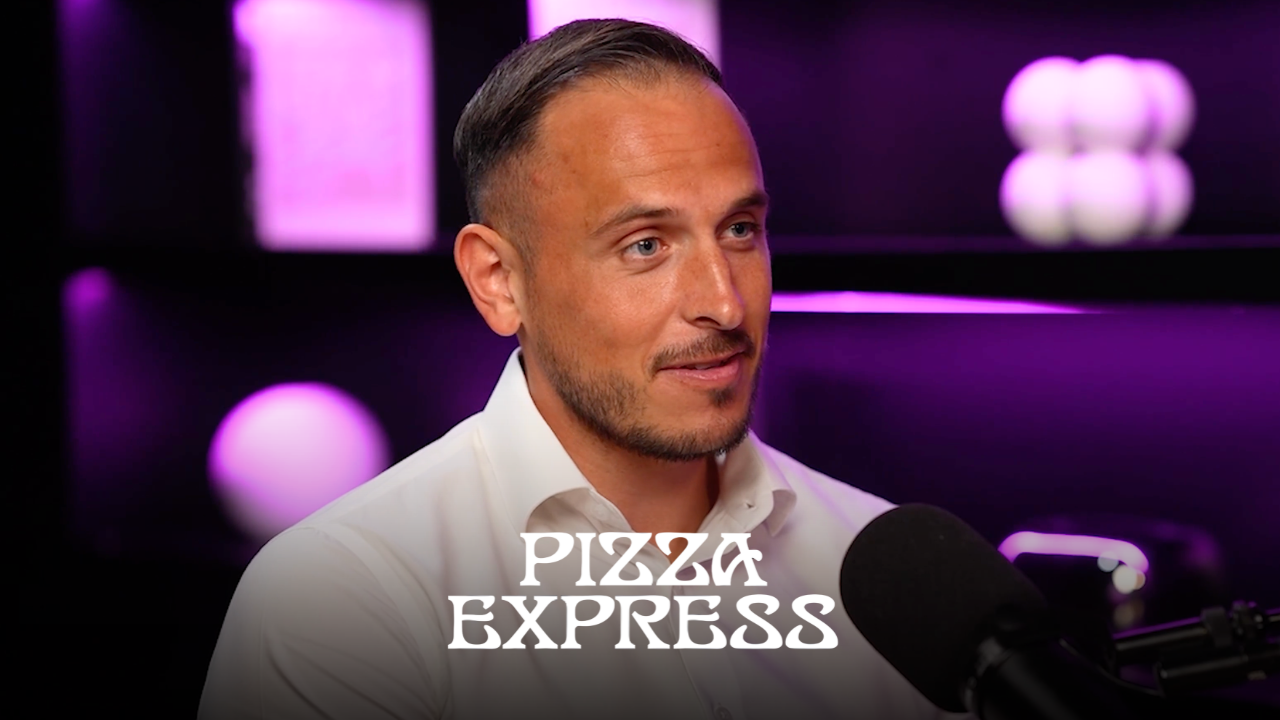
Rayhan Aleem, F&B CFO Advisor at Tax Stars & Alpha Pro Partners, breaks down why restaurant failure is rarely about food or demand - and more often about visibility. In fast-moving markets like Dubai, it’s easy to build revenue quickly, but many operators still struggle because they confuse daily sales with real profitability. Rayhan walks through the Triple-30 framework as a baseline, then explains how better visibility into food cost, labour, overheads, wastage, and supplier pricing helps operators move from reactive firefighting to control. His message is clear: restaurants don’t fail overnight - margins erode quietly when teams can’t see what’s really happening.
Learnings From The Episode
Rayhan Aleem has spent years watching busy restaurants quietly bleed cash.
As an F&B CFO Advisor at Tax Stars and Alpha Pro Partners, Rayhan works with restaurant operators across the UAE, Saudi Arabia, the UK and beyond — often stepping in when revenue looks strong, dining rooms are full, and yet the business is somehow still struggling to survive.
He’s seen the pattern repeat itself too many times: founders with great concepts and strong demand, but little experience running a business — let alone one that operates 16 hours a day, seven days a week. In markets like Dubai, it’s relatively easy to build revenue fast. Profitability, on the other hand, is where most restaurants fall apart.
For Rayhan, the issue isn’t food or branding. It’s visibility.
The 50,000-dirham day that lies to you
One of Rayhan’s favourite examples is deceptively simple.
A restaurant opens. Day one sales hit 50,000 AED. The owner - often earning far less in their previous job - feels like they’ve cracked it.
But that number is a mirage.
Rent hasn’t landed yet. Salaries aren’t due. Suppliers are still on credit. Tax is invisible - for now. By the time month-end arrives, the excitement turns into confusion: How did we sell so much and still have no money?
Restaurants are leading-indicator businesses. You see sales immediately - but profit only reveals itself later. And by then, it’s often too late to react.
Triple-30: a starting line, not the finish
Rayhan uses the Triple-30 framework as a baseline:
30% food.
30% labour.
30% overheads.
10% profit.
It’s not perfect, and it’s not universal - but it gives founders something concrete to manage against. The mistake, he says, is treating it as a rule rather than a reference point.
The best operators don’t stop at 10%. They tighten food cost closer to 25%, redesign service to reduce labour pressure, negotiate smarter rent structures, and improve margins deliberately - not accidentally.
Wastage: the cost nobody owns
If there’s one silent killer Rayhan sees everywhere, it’s unrecorded wastage.
Many restaurants believe they’re running at 30% food cost - until wastage is properly tracked. Suddenly it’s 35%. Sometimes more. And if you only spot that at month-end, you’ve already lost weeks of margin before the fix even begins.
Without frequent visibility, wastage doesn’t feel urgent. It just quietly compounds.
Who actually owns food cost?
Ask five restaurants who owns food cost and you’ll get five answers - usually followed by an argument.
Rayhan’s view is clear: food cost ownership is shared.
- The chef owns menu design, portioning, and kitchen discipline.
- The cost controller owns purchasing, supplier pricing, and monitoring variance.
- Finance owns reconciling plan vs reality and surfacing problems early.
When these roles work in silos, margins drift. When they work as a system, food cost stabilises.
Why monthly numbers don’t work in restaurants
Traditional accounting rhythms don’t fit the hospitality industry. If you find out something went wrong six weeks later, the money is already gone - and fixing it takes even longer.
Rayhan pushes operators toward weekly visibility: not just sales, but food cost, labour, wastage, and overhead trends. The goal isn’t reporting - it’s reaction speed.
Good finance doesn’t just deliver numbers. It explains them, early enough to act.
Tech should create leverage, not admin
Rayhan is sceptical of heavy ERP systems for most restaurant groups. They’re expensive, slow to implement, and hard for operators to use day to day.
His preference is best-of-breed tools that do one job well - accounting for clarity, POS for revenue detail, inventory systems for real-time cost visibility — and integrate cleanly. The right setup moves teams from spreadsheet firefighting to proactive decision-making.
Fraud, FIFO, and process reality
Restaurants will always have leakage. Cash handling, suppliers, long shifts, and high staff turnover make that unavoidable. The goal isn’t paranoia - it’s process design.
Cashless payments, controlled spend, clear approvals, and realistic inventory practices all reduce risk. Even FIFO, Rayhan argues, should only be implemented if the marginal gains outweigh the labour cost and complexity.
Process for the sake of process doesn’t save restaurants. Practical control does.
His final pieces of advice for operators
Restaurants don’t fail because of one bad month. They fail because small issues go unseen for too long.
Rayhan’s advice is simple:
Know your numbers.
See them often.
Give them owners.
Use them to make decisions - not excuses.
Get that right, and profitability stops being a mystery. It becomes a system.
Ready to optimize your restaurant operations?
More stories from F&B leaders
.png)

.png)
.png)
.png)
準備好轉變您的營運了嗎?
加入3500多家餐廳營運商的行列,透過Supy削減成本、簡化營運並做出更明智的決策。
