.jpg)


在阿聯酋推出並經營速食連鎖店
.png)
Watch extracts
Guest & host

Episode Summary
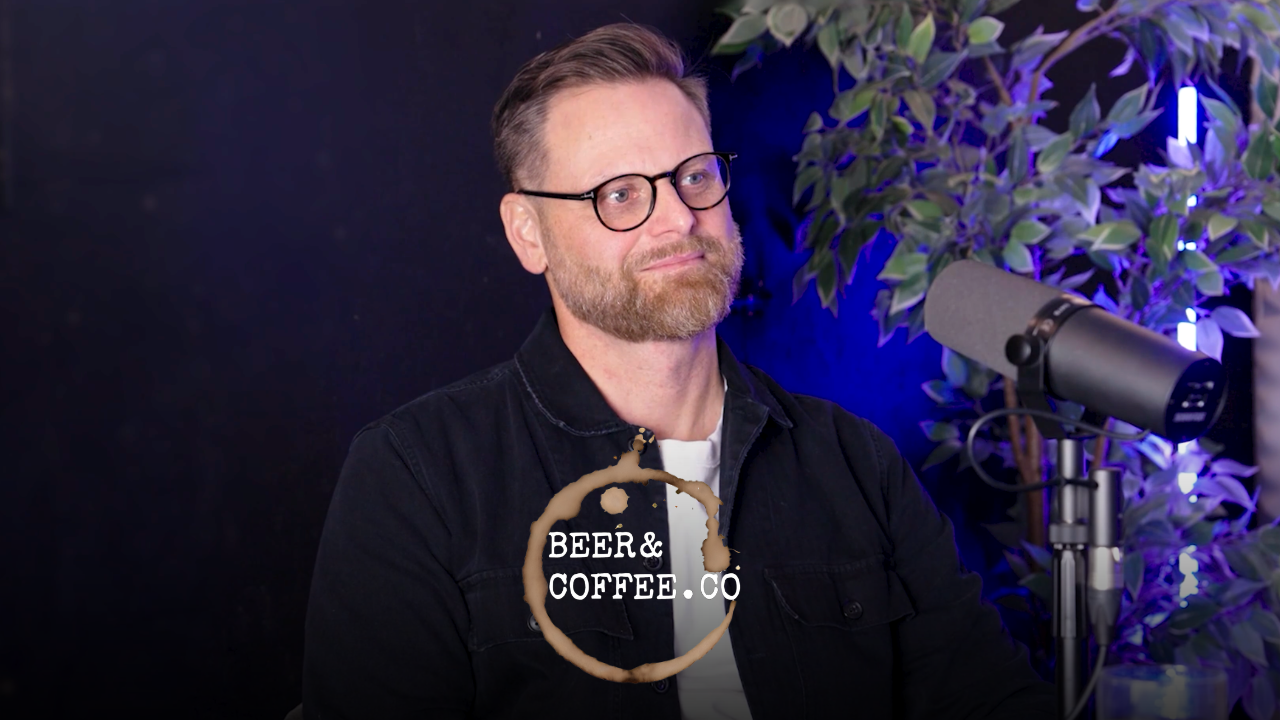
Alex E. Debare, founder of Burger 28, lays out a clear playbook for profitability in today’s aggregator-driven market. With delivery platforms compressing margins and paid social converting less predictably than in the “golden days,” the edge now comes from real-time, back-of-house data: COGS vigilance, menu-mix engineering, supplier consolidation, and catching price drift fast. Alex recounts early location bets, the trap of scaling before optimizing unit economics, and how an authentic, founder-led social presence can still punch above its weight. He closes on the fundamentals: pick long-term suppliers, hire for attitude, and standardize SOPs so you don’t chase every comment and break your own process. Moving from monthly, manual stock on Excel to weekly, mobile counts and live dashboards tightened variance control and restored trust in numbers—turning data into daily decisions.
Learnings From The Episode
Profitability in the aggregator era
- Squeeze profit where you control it: supply chain, ingredient switches, and menu mix toward high-margin items.
- Consolidate purchasing to 2–3 primary suppliers for scale and service; negotiate in focused, periodic reviews, not constant penny-pinching.
- Treat live COGS tracking as non-negotiable; 2–3% swings matter when EBITDA is 8–15%.
Data that actually works (beyond POS)
- Many POS suites are strong on FOH and weak on BOH: poor PO controls, recipe/price drift detection, and profitability views.
- If leaders don’t trust the system, adoption dies. Prioritize usability (phone-native workflows, invoice OCR), clean structure, and clear visuals.
- Weekly counts beat monthly autopsies; variance becomes manageable, not mysterious.
Scale only what’s optimized
- Early success can be location-driven demand, not pure product-market fit.
- Optimize the first 1–2 sites (COGS, SOPs, staffing) before multiplying fixed costs—rushing expansion can cost seven figures over time.
Brand and menu development
- Build a concept with local roots and emotion (nostalgia cues, cultural references).
- Identify best-sellers with small panel tastings; make your “first-timer recommendation” deliberate.
- Protect SOPs; don’t constantly tweak recipes because of scattered feedback—confusion creates inconsistency.
Social and performance marketing, 2025 reality
- Be authentic and human—founder and team on camera. Aim for one short-form video daily; test angles (e.g., transparent cost breakdowns).
- Pair organic storytelling with aggregator performance tools you can measure (clicks, conversion, new customers, ROI).
- Paid social spend has shifted down; operational efficiency and sticky delivery customers (higher CLV) matter more.
Suppliers: play long-term games
- “Right” supplier = on-time, accurate, stable specs/expiry, fair pricing—and partnership in tough cycles.
- Maintain options without burning bridges; monitor price changes systematically.
Hiring and team
- Hire for attitude; test quickly with 10-minute practicals (FOH sequence, BOH tasks).
- Retention compounds—trust with long-tenured staff becomes a service USP.
What good data revealed
- Rapid supplier price volatility was eroding margin; structured dashboards surfaced the drift.
- Multi-branch operations amplify noise; clean, centralized data turns “too much info” into actions.
Practical tips & hacks
- Site due diligence: hidden utility upgrades (e.g., electrical) can add 30–60k AED—budget them early.
- You can’t please everyone; focus on raving fans and a tight core menu.
- Count weekly, not monthly; investigate variance immediately.
Bottom line: In a world where top-line growth is costlier and aggregators tax every order, durable advantage comes from real-time BOH control, disciplined menus and SOPs, supplier leverage, and authentic, measurable marketing. Optimize the unit, then scale it.
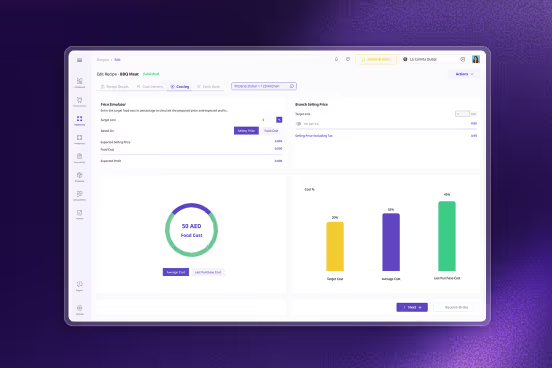
Ready to optimize your restaurant operations?
More stories from F&B leaders
.png)


.png)
.png)
.png)
.png)
.png)
.png)
.png)
.png)
.png)
.png)
.png)
.png)
.png)
.png)
.png)
.png)
.png)
.png)
準備好轉變您的營運了嗎?
加入3500多家餐廳營運商的行列,透過Supy削減成本、簡化營運並做出更明智的決策。
