.jpg)

如何建造一流的餐廳技術堆疊
.png)
Watch extracts
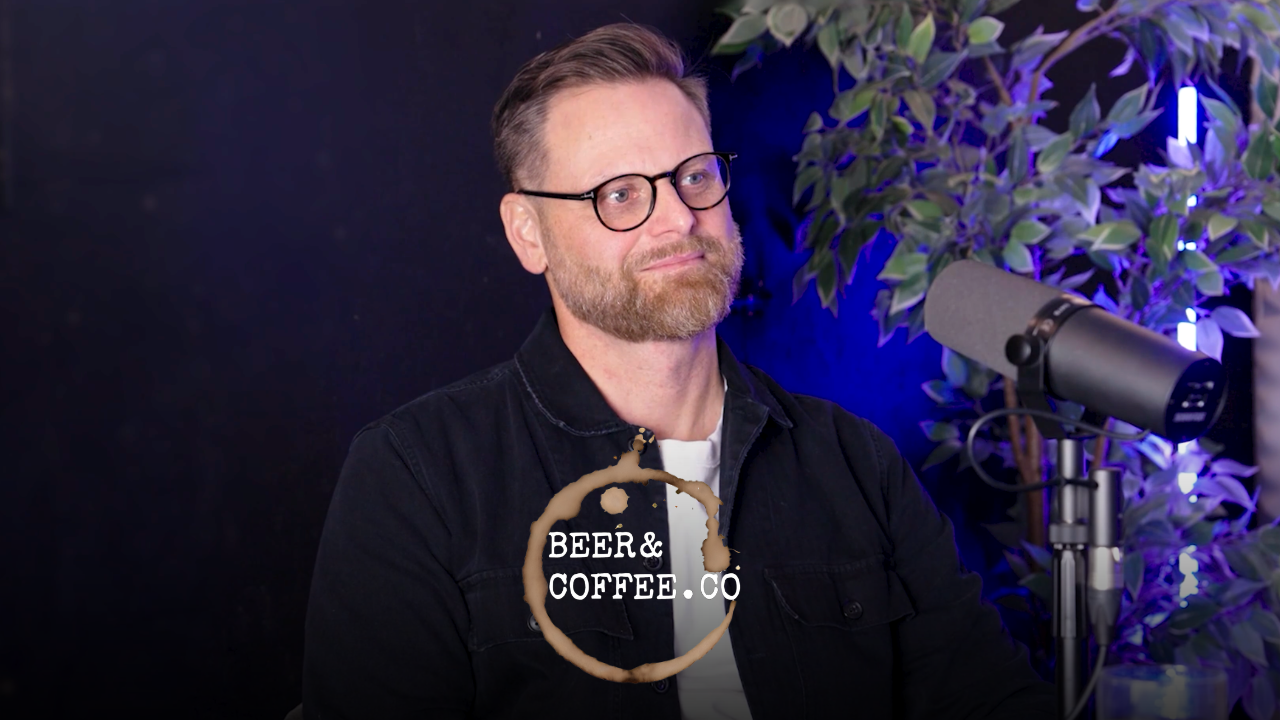
Guest & host


Episode Summary
Scaling in hospitality breaks when operators underestimate how different restaurants are from retail. In this episode, Jackson Versitano explains why hospitality businesses operate under tighter trade windows, perishable inventory, and margin pressure that retail simply doesn’t face. If a retail store has a bad day, stock remains on the shelf. In hospitality, it goes in the bin.
Drawing on over a decade across retail and hospitality technology, Jackson shares what actually enables sustainable growth: a clear concept, the right location, disciplined menu engineering, strong teams, and a scalable technology foundation. From POS as the “brain” of the business to best-in-class integrations and a practical approach to AI, this episode offers a grounded blueprint for scaling without losing control.
Learnings From The Episode
Jackson has worked at the intersection of retail and hospitality tech for over ten years. Across both industries, he’s seen one consistent truth: scaling exposes weak foundations. In restaurants, those weaknesses surface faster and more painfully because of perishability, labour complexity, and tighter margins.
Hospitality is not retail - and that changes everything
A core reset Jackson shares is simple: hospitality cannot operate like retail. Retail runs 24/7. Hospitality runs within strict trade windows.
If you miss your forecast in retail, the stock is still sellable tomorrow. In restaurants, a bad day often means wasted inventory and lost revenue that cannot be recovered. That makes timing, forecasting, and operational precision critical.
Why scaling breaks restaurants
Every day in the UK, multiple restaurants close due to insolvency. Often, it is not the first site that fails. It is the second or third.
Growth magnifies:
- Weak concept clarity
- Poor location decisions
- Operational inefficiencies
- Fragile team structures
- Technology limitations
Scaling does not fix foundational problems. It accelerates them.
Concept is king. Location is critical.
Before opening additional sites, operators must be clear on:
- Who their target audience truly is
- What experience they are delivering
- Whether the location aligns with that concept
- Whether demand supports the model
Concept and location are not creative decisions. They are commercial decisions.
Two non-negotiables when scaling: people and technology
Jackson highlights two levers that determine whether multi-site growth succeeds:
1) People
Hospitality already struggles with staffing. When scaling, operators cannot make the same decisions they made as a single site. Leadership bench strength, hiring discipline, and operational alignment must evolve.
2) Technology
The software stack that works for one location rarely works for five. Multi-site visibility, centralized reporting, inventory control, and integrations become essential.
Technology must scale with the ambition of the business.
POS as the brain of the business
Jackson explains how POS should function as the operational brain. It captures sales data, service flow, customer behaviour, and performance trends. But POS alone is not enough.
The future lies in best-in-class ecosystems:
- POS as the core
- Inventory management for margin visibility
- Reservations and CRM for guest insight
- Accounting integrations for financial clarity
All-in-one systems may seem simple early on, but as complexity grows, flexibility becomes essential.
Data before AI
AI is one of the most discussed trends in hospitality. Jackson’s perspective is pragmatic:
Do not adopt AI because it is trending.
Adopt it because your business has a defined need.
Without clean, structured data, AI becomes noise. Operators should:
- Fix foundational reporting first
- Ensure inventory and sales data are reliable
- Identify real operational bottlenecks
- Start small and layer AI intentionally
Garbage in, garbage out becomes amplified with AI.
Menu engineering and margin control
Restaurants operate like micro-factories. Every dish contains multiple ingredients, each with fluctuating costs and supplier dependencies. Margin control requires:
- Accurate recipe costing
- Real-time supplier price tracking
- Cross-sell strategies that improve bottom line, not just revenue
- Ongoing analysis of menu performance
Revenue growth alone does not protect profitability. Margin discipline does.
Partnerships power scalability
One of the strongest themes in the episode is ecosystem thinking. No single platform can solve every operational need at scale.
Strong integration partnerships allow operators to:
- Add capabilities as they grow
- Avoid disruptive system replacements
- Maintain flexibility
- Stay focused on core strengths
Scalable growth requires modular infrastructure.
The scaling mindset shift
Perhaps the biggest lesson from the episode is this:
The decisions that built your first site will not build your fifth.
Scaling requires:
- Structured data visibility
- Strong leadership bench
- Operational consistency
- Technology that evolves with complexity
- Discipline over trend-chasing
Hospitality is unforgiving when foundations are weak. But when concept, people, and systems are aligned, growth becomes sustainable.

Ready to optimize your restaurant operations?
More stories from F&B leaders
.png)


.png)
.png)
.png)
準備好轉變您的營運了嗎?
加入3500多家餐廳營運商的行列,透過Supy削減成本、簡化營運並做出更明智的決策。
