Mastering Consistency: How to Create Unforgettable Experiences in Restaurant Chains

Serving delicious food is not enough to make a restaurant chain successful in the highly competitive food and beverage (F&B) sector; consistently providing unique customer experiences is also essential. Regardless of whether a consumer enters a restaurant in New York or New Orleans, it is imperative that the whole experience remains similar. The maintenance of this consistency is what establishes your brand and ensures consumer loyalty, resulting in increased customer retention and a stronger financial performance.Table Of Content:
- Understanding Customer Expectations
- Key Strategies For Ensuring Consistency
- Case Studies
- Avoiding Common Pitfalls
- Conclusion
- About Supy
1. Understanding Customer Expectations
Before exploring strategies for achieving uniformity throughout a restaurant chain, it is crucial to gain a comprehensive understanding of client preferences and expectations. Modern operators anticipate high-quality cuisine, outstanding customer service, and a hospitable atmosphere at all their dining establishments. They desire a smooth and uninterrupted experience that is in line with the brand commitment you have conveyed. Consistency in these components fosters consumer trust, boosting your restaurant's brand and promoting client loyalty.Consistency in Food QualityIn order to meet expectations, it is advisable to start with the menu. It is crucial to standardize recipes and provide comprehensive training to each chef to ensure consistent execution. To maintain food quality, it is recommended to employ centralized training programs and conduct regular audits. This ensures uniformity in the flavor of a meal, irrespective of the restaurant within the chain where it is served.Consistency in ServiceTraining your staff is just as important. Every employee, from the management to the waiters and the kitchen crew, should receive training in maintaining the standards of the brand. Frequent seminars and focus groups help to preserve service standards and enhance relationships with customers. Customer service skills should be the focus of a systematic training program to guarantee that every customer contact is uniform and upholds the standards of your brand.Consistency in AmbianceThe physical environment of your restaurants should be consistent. Each element, including the lighting, music, and décor, should contribute to a unified brand atmosphere. Mitigating the intended brand identity and disrupting the consumer experience are consequences that can result from even minor inconsistencies.

2. Key Strategies For Ensuring Consistency
Adopting the right strategies is crucial for maintaining consistency across various locations of a restaurant chain. Here are some proven techniques:Centralized Management SystemsBy utilizing technology, operations can be optimised. A centralized administration system is capable of real-time customer feedback collection, inventory tracking, and service quality monitoring. These systems facilitate the rapid detection and resolution of inconsistencies prior to their adverse effects on the customer experience.Detailed Operating ProceduresStandardize every aspect of the kitchen's operations and customer service with exhaustive standard operating procedures (SOPs). These SOPs ought to be readily available and updated frequently. They coordinate the efforts of the entire staff and ensure that all members are fully informed of their responsibilities. Regular Quality AuditsPerform regular audits of every location. Observations may be premeditated or unannounced and serve the purpose of assessing and verifying that the establishment's ambiance, cuisine quality, and service standards are met. Audits play a pivotal role in guaranteeing that every franchise is in accordance with the brand's fundamental principles and operational benchmarks.

3.Case Studies
Let’s look at some successful examples of restaurant chains that excel in maintaining consistency: Example 1: McDonald's: Quick-Service Restaurant ChainMcDonald's, a giant in the quick-service restaurant (QSR) industry, exemplifies consistency across its global operations. The chain ensures that every outlet, no matter where it is located in the world, delivers the same quality of food and service. This is achieved through rigorous training programs, standardized kitchen equipment, and operational procedures. McDonald's Hamburger University, for example, is an institution that provides detailed training for franchisees and managers, ensuring that they meet the company's strict standards. Additionally, McDonald's uses advanced technology such as digital kiosks and a global mobile app to maintain service efficiency and consistency. Example 2: The Capitale: High-End DiningThe Capital Grille, known for its upscale dining and extensive wine list, maintains high standards of consistency through meticulous attention to detail and customer service. The chain employs a team of regional managers who regularly visit each location to ensure that the quality of food and service aligns with the brand’s luxurious standards. The Capital Grille's commitment to consistency is also evident in its staff training programs, which focus on customer interaction and maintaining a high-quality dining experience. This approach ensures that guests receive the same superior level of service and dining quality at any of The Capital Grille's locations across the United States.

4. Avoiding Common Pitfalls
Certain pitfalls are simple to neglect in the pursuit of consistency; these can derail your goals. Ignoring local preferences and cultures is a frequent error that occurs oftenly. Although maintainability is crucial, incorporating and comprehending regional preferences and customs can elevate the clientele's encounter without undermining the credibility of your brand.An additional pitfall is excessive standardization. Although it is true that processes and training are indispensable, implementing a certain degree of customization can increase employee engagement and consumer appreciation. Strive for an optimal equilibrium between standardization and customization.
5. Conclusion
Creating consistent customer experiences is fundamental to building and maintaining a successful restaurant chain. By understanding what customers expect and implementing the right strategies across all locations, you can ensure that your brand not only meets but exceeds these expectations. Embrace technology, focus on training, and regularly evaluate your operations to maintain the high standards your customers expect.
6. About Supy
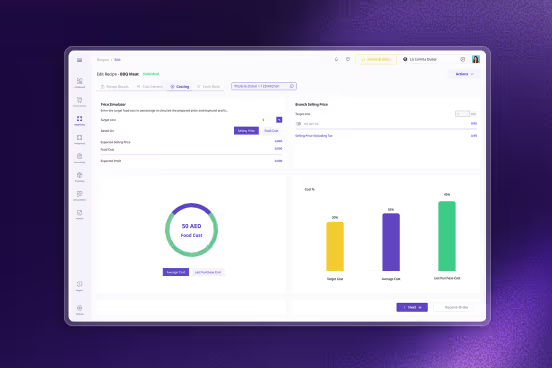
Supy is a restaurant inventory software designed to help cut costs and maximize profits within the hospitality industry. It features six integrated modules that collect and analyze data across various restaurant operations. This platform provides real-time data, accurate insights, and time-saving automation to help restaurants reduce waste and boost profits by optimizing their inventory and procurement processes. Additionally, Supy is available as an app that can be downloaded and used on iOS devices like iPhones, iPads, and iPod touch, enhancing accessibility and user engagement.If you're committed to enhancing your restaurant's customer experience, subscribe to our newsletter for more insights, download our comprehensive guide on restaurant management best practices, or join us for an upcoming webinar on creating unforgettable customer experiences in the F&B industry. Let’s transform every meal into a memorable dining experience together!