.jpg)


The Top 10 UK Restaurant Marketing Strategies
It takes more than the royal treatment to get ahead in the British restaurant industry! Today, restaurants must craft and implement innovative marketing strategies that resonate with the modern consumer. With the rise of digital media, shifting dining preferences, and an increasing emphasis on sustainability, the need for a robust and dynamic marketing plan has never been greater.
Table of Contents
- Cracking the British Restaurant and Hospitality Market.
- The Top 10 British Restaurant Marketing Strategies.
- Leverage Digital Marketing with Targeted Ads.
- Promote Afternoon Tea Experiences
- Embrace Pub Culture with Modern Twists.
- Leverage British Heritage.
- Capitalize on Food Markets and Pop-Ups.
- Sustainability and Ethical Sourcing.
- Utilize Seasonal Promotions.
- Promote Local and Regional Ingredients.
- Partner with Local Wineries and Breweries.
- Host Themed Dining Experiences.
- Supy's Role in Navigating Restaurant Challenges.
- Conclusion
- About Supy
Take, for example, Dishoom, a popular British food chain that has mastered the art of social media engagement. Dishoom’s approach to marketing goes beyond traditional advertising; they’re all about creating a community. By sharing visually captivating content and compelling stories across platforms like Instagram and Facebook, Dishoom has cultivated a loyal following. The restaurant frequently posts behind-the-scenes glimpses and customer testimonials, all engaging their audience and encouraging interaction. By reposting these customer stories and images, they’ve created a sense of authenticity and connection that resonates with their audience.
In this article, we will explore the top 10 UK restaurant marketing strategies that can help businesses like yours replicate this success. Whether you're a small local pub or a national chain, these strategies will provide you with the tools needed to increase brand awareness, engage with your audience, and boost sales in an increasingly competitive market. Read on to learn more!
1. Cracking the British Restaurant and Hospitality Market
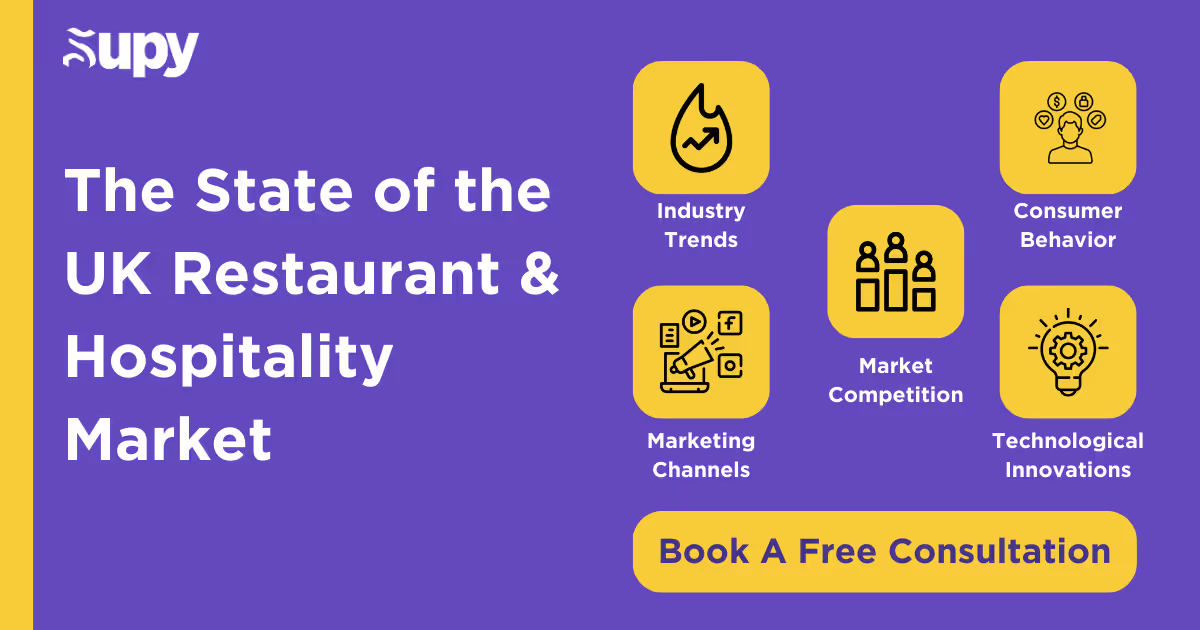
The first step to understanding the British restaurant and hospitality market is to understand your customers. In the UK, key consumer behaviors include a growing preference for sustainable and locally sourced food, an increased focus on health and wellness, and the demand for convenience through online ordering and delivery services. These behaviors have led to a surge in vegan and vegetarian offerings, as well as the popularity of plant-based and organic options on menus.
Trends in the food and beverage industry also reflect these shifts. There’s a notable rise in experiential dining, where consumers seek unique, memorable experiences beyond their food. This trend is coupled with the increasing importance of food provenance and traceability, as consumers want to know the origins of their meals.
It’s no secret that competition in the UK’s restaurant market is fierce, with both high-street chains and independent eateries vying for consumer attention. The rise of ghost kitchens and delivery-only brands has further intensified the competition, requiring traditional restaurants to innovate continuously. For this new flavor of restaurant promotion, many businesses are turning to marketing channels like Instagram and TikTok, where visually appealing content can attract food enthusiasts. Email marketing, influencer partnerships, and online reviews are also pivotal in shaping consumer perceptions and driving foot traffic.
Finally, several new tech innovations, such as AI-driven personalized marketing, online ordering platforms, digital loyalty programs, and contactless payment systems, are reshaping the customer experience. Embracing these technologies is essential for staying competitive and maintaining your restaurant's online presence in the UK market.
2. The Top 10 British Restaurant Marketing Strategies
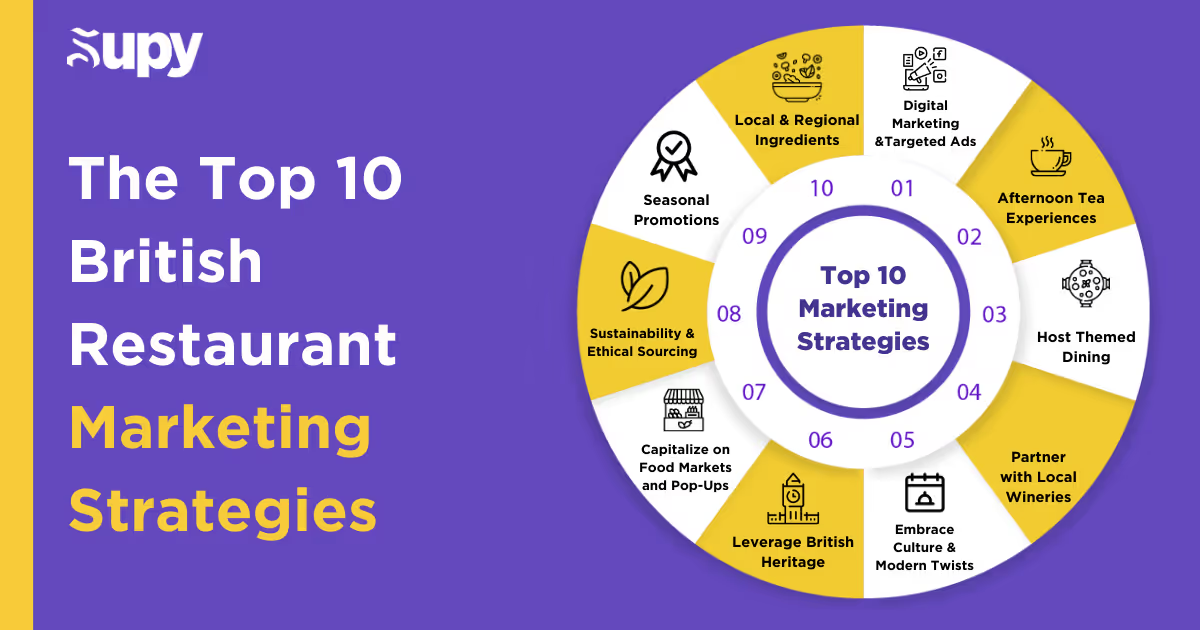
1. Leverage Digital Marketing with Targeted Ads
Digital marketing, particularly through targeted ads on social media platforms like Facebook and Instagram, is a great way for restaurants to reach their specific demographics effectively. By using geo-targeted ads, restaurants can attract local diners, while interest-based targeting can engage food enthusiasts. This method helps in maximizing ad spend efficiency and driving traffic to both online reservations and physical locations.
Case Study: Dishoom, a popular restaurant chain, uses targeted ads to boost bookings and gain new customers. Their Facebook focuses on users interested in Indian cuisine and those in proximity to their locations. This approach has led to increased traffic and higher reservation rates, effectively drawing in their target audience.
2. Promote Afternoon Tea Experiences
Offering unique afternoon tea experiences, such as themed teas or pairings with artisanal gin, is a unique way to attract customers seeking a traditional yet modern twist. You can promote these experiences through local food blogs and social media to help build awareness and attract both tourists and locals.
Case Study: The Ritz London is known for its elevated classic afternoon tea, with its seasonal themes and bespoke blends. Their marketing strategy includes collaborations with food bloggers and extensive social media campaigns to encourage customers to come visit. This has positioned The Ritz as a top destination for afternoon tea, appealing to both locals and tourists alike.
3. Embrace Pub Culture with Modern Twists
We ask you, what could be more British than the local pub? Revamping traditional British pub fare with gourmet versions and hosting engaging events like quiz nights or live music is a great way to reinvigorate the local pub experience! This restaurant marketing plan attracts a diverse clientele looking for modern takes on classic dishes and lively entertainment.
Case Study: The Marksman in London offers elevated pub dishes such as truffle mac 'n' cheese and duck pie, coupled with quiz nights and live music. Their modern take on traditional fare and engaging events have made it a popular spot.
4. Leverage British Heritage
By working on emphasizing British heritage through branding, traditional recipes, and locally sourced ingredients, restaurants can create a unique and authentic dining experience.
Case Study: The Ivy restaurants are experts at integrating British heritage into their menus by featuring traditional recipes and locally sourced ingredients. Their presence at iconic British landmarks like Tower Bridge, Covent Graden, Kensington, Wimbledon, and Soho, are all part of their strategy to appeal to nostalgic ideas of British food and décor. This strategy makes The Ivy a distinguished choice for those seeking a genuine British dining experience as their target market.
5. Capitalize on Food Markets and Pop-Ups
Another great restaurant marketing plan for local businesses is to participate in local food markets and pop-up events. These provide opportunities to showcase new menu items, gather customer feedback, and build brand awareness. These events allow restaurants to engage with a broader audience and test market responses in a dynamic environment.
Case Study: Honest Burgers participates in various UK food markets to introduce new burger creations. Their presence at these events helps gather customer feedback and increase brand visibility. By doing so, Honest Burgers has expanded its customer base and managed to successfully strengthen their market presence.
6. Sustainability and Ethical Sourcing
Highlighting a commitment to sustainability and ethical sourcing can attract environmentally conscious diners. By using locally sourced, organic ingredients and eco-friendly packaging, you can showcase your restaurant’s dedication to responsible practices and appeal to a growing segment of eco-minded customers.
Case Study: Farmacy in London emphasizes sustainability by using organic ingredients and eco-friendly packaging. Their marketing highlights these ethical practices, attracting diners who value environmental responsibility. This approach not only boosts their brand image but also appeals to a customer base committed to sustainable dining.
7. Utilize Seasonal Promotions
Developing seasonal menus and promotions can keep offerings fresh and relevant throughout the year. By creating special seasonal menus, you can resonate with diners’ seasonal preferences and maintain customer interest and engagement!
Case Study: The Winter Garden at Landmark London creates seasonal promotions like summer BBQ menus and winter comfort food specials. Their marketing strategy includes social media and email marketing campaigns that keep customers informed and engaged about their seasonal offerings.
8. Promote Local and Regional Ingredients
Focusing on local and regional ingredients helps create a strong connection with the community and supports local producers. Promoting these ingredients through the menu and marketing materials is a great way to appeal to customers interested in regional cuisine and sustainability.
Case Study: St. JOHN in London is known for showcasing British ingredients like Cornish seafood and Scottish beef. Their marketing highlights their commitment to local sourcing, attracting customers who appreciate regional flavors and supporting local suppliers. This strategy strengthens their community ties and enhances their brand’s authenticity.
9. Partner with Local Wineries and Breweries
Collaborating with local wineries and breweries can enhance a restaurant’s beverage offerings and attract enthusiasts interested in curated experiences. These partnerships can include exclusive tastings or pairings, or even customer loyalty programs that add value to the dining experience and expand the restaurant’s appeal.
Case Study: The Ledbury partners with nearby wineries and breweries to offer exclusive pairings and Google events. Their marketing emphasizes these collaborations, drawing in customers who seek unique and curated beverage experiences. This strategy not only diversifies their menu but also builds strong relationships with local producers.
10. Host Themed Dining Experiences
Organizing themed dining nights, such as historical or cultural events, can provide unique and immersive experiences. These events create excitement and offer diners a chance to enjoy a memorable meal, helping to differentiate the restaurant and attract a diverse clientele.
Case Study: The Great British Restaurant hosts themed nights like a 1920s Gatsby dinner and a Downton Abbey-inspired menu. Their marketing includes social media promotions and local event listings, attracting guests looking for distinctive and engaging dining experiences. This approach enhances the restaurant’s appeal and drives bookings.
3. Supy's Role in Navigating Restaurant Challenges
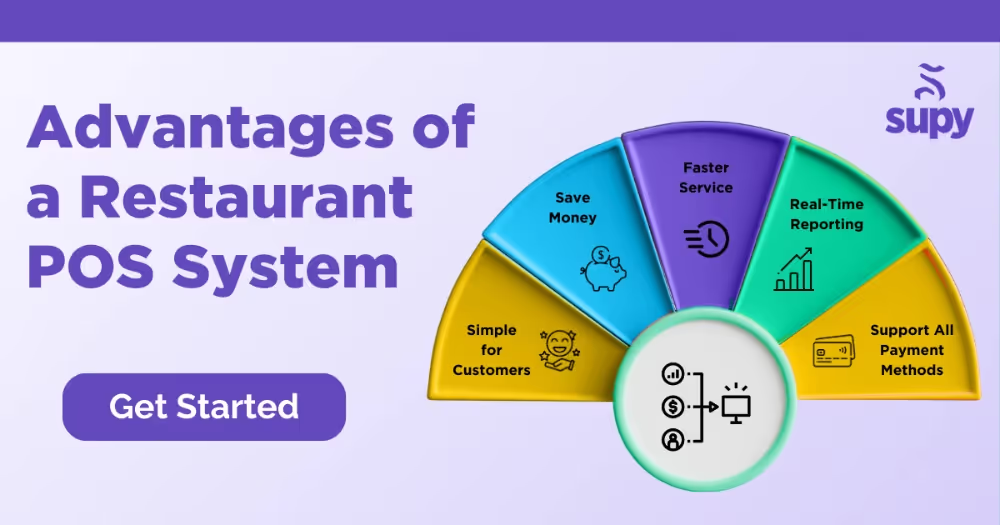
Supy offers several consulting services designed to help you improve your restaurant business. Here are a few ways Supy is designed to help:
- Know Your Order Status: Whether your order has been drafted, submitted, confirmed, denied, received, partially received, or closed, Supy lets you and your team stay on top of things with its new order status checker!
- Digitized Invoice Recording: Record every invoice you ever receive with Supy’s new digital recording feature! With this feature, you can now track who received your items as well as what items are still missing. Take invoice recording to the next level with Supy!
- Control The Impact Price Fluctuations Have On Your Data: In an era of rising inflation, it’s important for restaurants to know how each change in price affects their menu’s cost analytics. Maximize the accuracy of your reporting for confident decision-making with Supy’s reporting and analytics features!
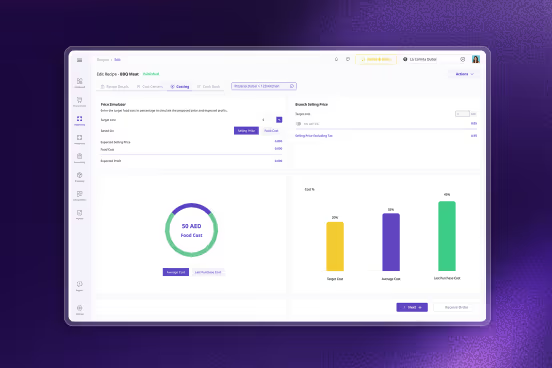
- Monitor Recipe Profitability With Real-Time Ingredient Cost Tracking: By linking and regularly updating all ingredient costs to your recipes, Supy instantly sends restaurant managers alerts if ingredient prices increase and affect your recipe’s profitability. With just one click, restaurant leaders can identify the recipes that need their attention and to ensure you never end up selling at a loss!
4. Conclusion
As we’ve already seen, implementing effective marketing strategies is crucial for any restaurant’s success. The best restaurant marketing ideas highlighted in this guide are all proven methods of increasing brand awareness and driving sales for a British audience. By leveraging these strategies, restaurant owners and managers can create a strong brand presence, attract loyal customers, and ultimately grow their business!
If you found this guide helpful and want to stay updated on the latest restaurant marketing strategy, subscribe to Supy's newsletter today! Here you can get valuable insights into more marketing campaigns, such as the use of google ads and influencer marketing, as well as have other resources delivered straight to your inbox. Or you could book a free demo with Supy to see how our solutions can help you achieve your business goals. While you’re at it, why not check out the restaurant checklist app that will save you time, money, and your sanity over at Xenia?
5. About Supy
Supy is the best restaurant management software platform tailored for multi-branch restaurants and franchises. With unbeatable features like real-time inventory tracking, smart procurement systems, and advanced analytics, Supy helps restaurants manage their various demands effectively. Whether centrally adjusting stock levels or optimizing supply chain relationships, Supy provides the tools restaurants need to thrive in a dynamic industry.
For the latest expert insights, download Supy’s ebook: The Ultimate Guide to Reducing Food Costs in Multi-Branch & Enterprise Restaurants.
Ready to find out more? Schedule a demo with Supy today and take the first step towards a streamlined, profitable future.