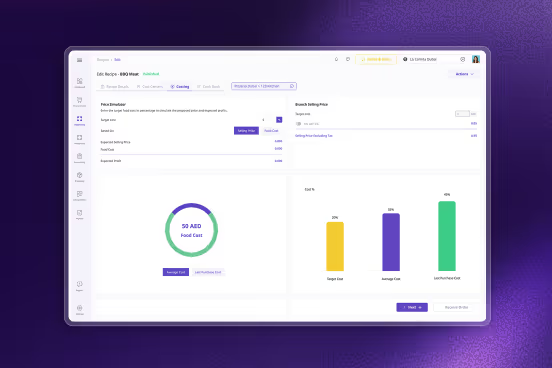
.jpeg)


Warenwirtschaft im Café: Tools und Techniken
Ein Café zu betreiben bedeutet weit mehr, als das perfekte Latte-Rezept und passende Macarons zu finden. Es geht um die Führung dynamischer und schnelllebiger Betriebe, die oft einzigartige Herausforderungen mit sich bringen. Eine dieser Herausforderungen ist die Warenwirtschaft. Cafés verarbeiten verderbliche Waren, die innerhalb weniger Tage verbraucht werden müssen, um Qualität zu gewährleisten und Verschwendung zu reduzieren – und dazu benötigen sie ein gutes Warenwirtschaftssystem.
- Besondere Herausforderungen der Café-Warenwirtschaft
- Unverzichtbare Tools für die Café-Warenwirtschaft
- Effektive Techniken für die Café-Warenwirtschaft
- Verschwendung reduzieren und Kosten kontrollieren
- Lieferantenverwaltung für Cafés
- Praxisbeispiel: Erfolgreiche Warenwirtschaft im Café
- Fazit: Nehmen Sie Ihre Warenwirtschaft in die Hand
Wie schwer kann das schon sein? Es geht doch nur darum, Zutaten und Waren im Blick zu behalten. Genau hier liegen die meisten Restaurants falsch! Die Warenwirtschaft ist zweifellos einer der anspruchsvollsten Aspekte im Betrieb eines Unternehmens – insbesondere eines Cafés. Schlechte Warenwirtschaft führt zu Lebensmittelverschwendung, geringeren Gewinnen und Problemen mit der Menüverfügbarkeit. Wenn Sie also Ihren Umsatz steigern und Ihr Café-Geschäft verbessern möchten, müssen Sie Ihre Aufmerksamkeit auf die Verwaltung Ihrer Bestände richten.
Vorteile der Bestandsoptimierung in Cafés
Bestandsoptimierung ist die Kunst, Lager- und Bestandsniveaus so zu steuern, dass Angebot und Nachfrage im Gleichgewicht sind. Regelmäßige Bestandsprüfungen und die Identifizierung von Verbesserungsmöglichkeiten spielen eine entscheidende Rolle für die Kundenzufriedenheit durch Menüverfügbarkeit und reibungslose Abläufe. Die Bestandsoptimierung eines Cafés bietet viele Vorteile, darunter:
- Verschwendung reduzieren: Die Reduzierung von Verschwendung ist einer der Hauptgründe, warum Restaurants auf Bestandsoptimierung setzen. Je weniger Waren verschwendet werden, desto mehr Gewinn kann ein Betrieb erzielen. Ein nicht optimierter Bestand kann beispielsweise übermäßig mit Zutaten bestückt sein, die verderben, bevor sie verbraucht werden.
- Kundennachfrage erfüllen: Kunden meiden tendenziell Cafés, in denen ihre Lieblingsprodukte häufig nicht vorrätig sind. Betreiber können dieses Problem vermeiden, indem sie einen optimierten Bestand führen, der stets alle Zutaten für die Auftragsabwicklung bereit hält.
- Betriebseffizienz verbessern: Wenn Cafés nicht über genügend Zutaten verfügen oder zu viele eingelagert haben, leidet die betriebliche Effizienz des Unternehmens darunter. Eine ordnungsgemäße Warenwirtschaft hilft dabei, Abläufe zu optimieren und den Betrieb des Cafés zu erleichtern.
- Gewinne steigern: Schließlich profitieren Café-Betreiber in erheblichem Maße von gut gepflegten Beständen, da diese zur Gewinnsteigerung beitragen. Sie minimieren nicht nur die verschiedenen Arten von bestandsbedingten Verlusten, sondern tragen auch dazu bei, die Kundenzufriedenheit aufrechtzuerhalten und den Umsatz zu steigern.
1. Besondere Herausforderungen der Café-Warenwirtschaft
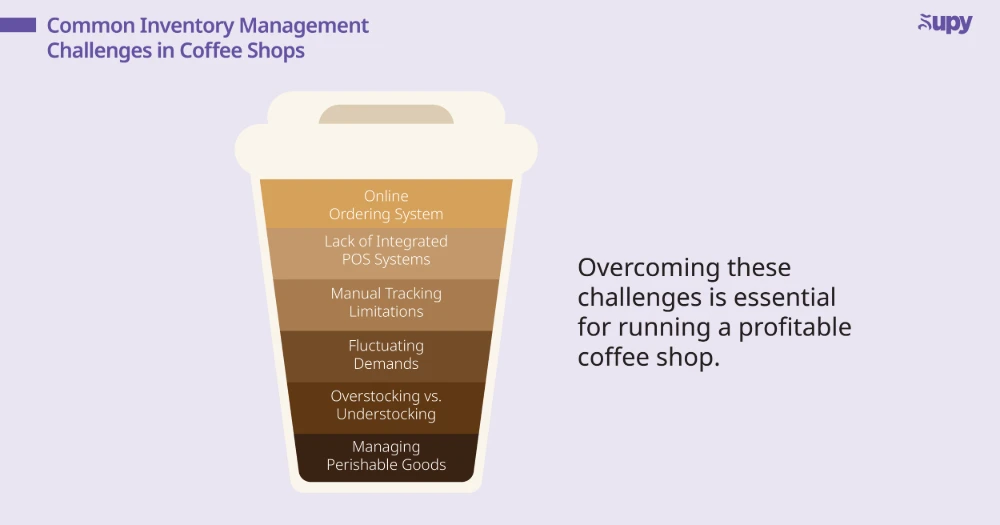
Die Warenwirtschaft in einem Café ist zwar notwendig, aber keineswegs einfach. Sie bringt ihre eigenen Herausforderungen mit sich, insbesondere wenn sie manuell mit einfachen Formeln angegangen wird. Um diese Herausforderungen zu bewältigen, benötigen Sie weit mehr als eine Excel-Tabelle.
Verwaltung verderblicher Waren
Zu den häufigsten Zutaten in Cafés zählen Sahne, Milch, Früchte und andere verderbliche Waren. Diese Produkte haben eine sehr begrenzte Haltbarkeit und reagieren empfindlich auf Lagerbedingungen und Temperaturschwankungen. Selbst Kaffeebohnen, ein im Allgemeinen lagerfähiges Produkt, verlieren je nach Lagerungsdauer an Aroma. Warenwirtschaftsverantwortliche müssen berücksichtigen, wie schnell diese Zutaten verbraucht werden, damit sie nicht zu lange gelagert werden.
Überbevorratung vs. Unterbevorratung
Die schwierigste Aufgabe in der Warenwirtschaft ist es, die perfekte Balance zwischen Unter- und Überbevorratung zu finden. Die meisten Betriebe setzen auf den Min-Max-Ansatz, bei dem die durchschnittliche Nachfrage bei der Bestandsplanung berücksichtigt wird. Dieser Ansatz berücksichtigt jedoch nicht saisonale Schwankungen und die Unberechenbarkeit des Geschäfts. Überbevorratung bindet häufig Kapital, das anderweitig investiert werden könnte, und wenn Produkte verderben, entstehen Verluste. Unterbevorratung führt zu entgangenen Umsätzen und Kundenunzufriedenheit, was sich negativ auf die Gewinne auswirkt.
Schwankende Nachfrage
Unvorhersehbare Nachfragen in Cafés führen häufig zur Über- oder Unterschätzung des Bedarfs. Dies bringt die Warenwirtschaftsanforderungen durcheinander, insbesondere wenn Trends, Wetter und sogar Kundenlauflagen die Nachfrage beeinflussen. Beispielsweise sind Eiskaltgetränke im Sommer die meistverkauften Produkte – doch ein TikTok-Trend könnte sie auch im Winter wieder populär machen. Zudem führen Stoßzeiten wie die Morgenstunden zu einer höheren Nachfrage und erhöhter Bestandsschwankung. Diese Nachfrageschwankungen ohne Überbevorratung oder Unterschätzung von Bestellungen zu managen, ist eine große Herausforderung für Cafés.
Grenzen der manuellen Erfassung
Mit Tabellenkalkulationen und Berechnungsformeln stoßen Warenwirtschaftsverantwortliche schnell an ihre Grenzen, wenn es um eine ordentliche Bestandsplanung geht. Viele Probleme beim Lagern, Bestellen und anderen Bestandsaufgaben entstehen durch menschliche Rechenfehler. Zudem kann es mühsam sein, manuell mit Nachfragetrends, Lieferkettenprobleme und anderen Faktoren Schritt zu halten. Für Cafés ist es einfacher, diesen Teil der Warenwirtschaft auf automatisierte Software zu übertragen, die beim Controlling und bei Berichten hilft.
POS-System-Management im Café
Ein POS-System im Café ist ein wesentlicher Bestandteil der Erfassung von Daten über bestehende Kunden und deren Kaufgewohnheiten. Die neueste POS-Technologie hilft Ihnen dabei, das Kassensystem und alle zur besseren Warenwirtschaft benötigten Tools zu integrieren. Die meisten Cafés verfügen jedoch noch nicht über diese Technologie und sind auf das Team-Management für eine genaue Dateneingabe für das Controlling angewiesen. Das Fehlen geeigneter Tools und Technologien ist ein Problem, das die meisten Point-of-Sale-Stationen in solchen Betrieben betrifft.
Online-Bestellsystem
Die Café- und Restaurantlandschaft verändert sich, da digitale Menüoptionen für online aufgegebene Bestellungen immer mehr in den Vordergrund treten. Die meisten Cafés bieten ihren Kunden kein benutzerfreundliches Online-Menü, das die Bestellabwicklung vereinfacht. Stattdessen setzen sie auf Drittanbieter-Apps als Komplettlösung für die digitale Kundenbetreuung. Diese Herausforderungen sind nur die Spitze des Eisbergs. Je nach Standort, Ressourcen, Lieferkette und weiteren Faktoren können Cafés mit noch viel mehr konfrontiert sein. Es ist wichtig anzuerkennen, dass es für wachsende Betriebe die rationale Entscheidung ist, auf Technologie zu setzen, um schwierige Prozesse zu optimieren. Es gibt viele Management-Softwarelösungen, die Cafés helfen, wieder auf Kurs zu kommen und ihre Warenwirtschaft zu verbessern.
2. Unverzichtbare Tools für die Café-Warenwirtschaft
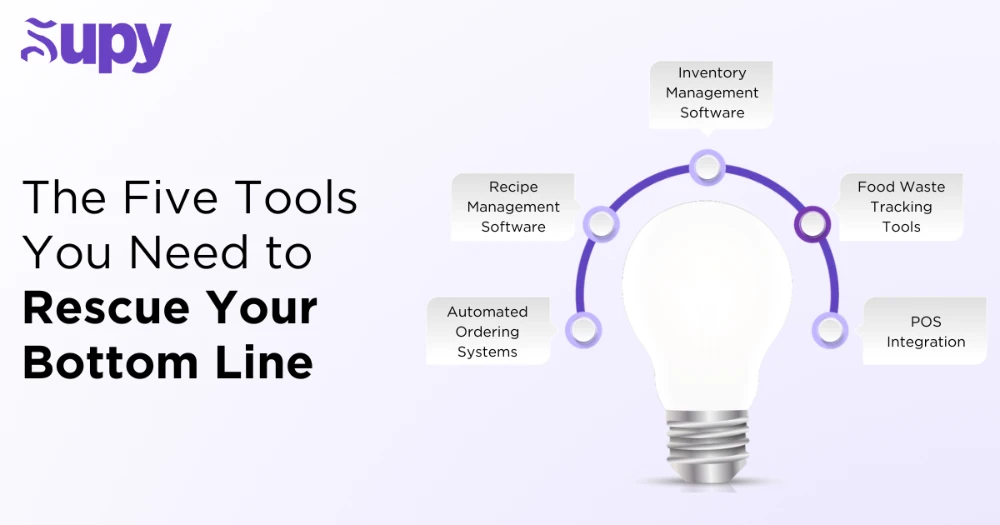
Wie oben erläutert, gibt es viele Restaurant-Management-Softwarelösungen, die für den Betrieb von Cafés nützlich sind. Supy sticht jedoch durch seine vielfältigen Management-Funktionen und seine Unterstützung für Franchising aus allen hervor. Ob Sie ein Café sind, das gerade erst startet, oder eines, das beginnt, sich zu expandieren – Supy hat die Tools, die Sie für Ihre Warenwirtschaft benötigen.
Echtzeit-Warenverfolgung
Supys Warenwirtschaftssoftware liefert Echtzeit-Controlling-Daten, sodass Café-Betreiber stets den Überblick über ihre Bestandsniveaus haben. Sie hilft dabei, Bestände schneller zu zählen, Abweichungen zu berücksichtigen und Diagramme zu verschiedenen Faktoren wie Angebot, Nachfrage usw. anzuzeigen. Im Durchschnitt spart sie 10 Stunden pro Woche, indem sie den Zeitaufwand für die Warenwirtschaft reduziert. Außerdem müssen Sie die Software nicht aktiv überwachen, um auf dem aktuellen Stand zu bleiben. Wenn zum Beispiel die Milchbestände zur Neige gehen oder zu viel Kaffee bestellt wurde, sendet Supy Warnungen darüber, was bestellt werden muss und was warten kann. Supys Bestandseinblicke bieten:
- 80 % Reduzierung der Abweichung
- 55 % Reduzierung des Wareneinsatzes
- Bis zu 10 Stunden pro Woche gespart
Aktuelles Controlling und Reporting
Einer der wichtigsten Aspekte der Warenwirtschaft ist eine genaue Berichterstattung und aktuelles Controlling für fundierte Entscheidungen. Supy bietet aktuelles Controlling und Reporting zu verschiedenen Funktionen wie Beschaffung, Abfallmanagement, Abweichung, Umsatz, Menüpreise und Warenwirtschaft. Mit dem richtigen Controlling können Café-Betreiber ihre Bestände verwalten und gleichzeitig Umsatz und Gewinn steigern. Das Controlling- und Reporting-Feature von Supy bietet:
- Integrierte Dashboards für sofortiges Controlling und Berichte
- Live-Daten für regelmäßig aktualisierte Echtzeit-Erkenntnisse
- Mobilfreundliche Oberfläche für Entscheidungen von unterwegs
Anpassung für Cafés
Supy versteht die spezifischen Bedürfnisse von Cafés und bietet eine Vielzahl von Funktionen zur Anpassung des Betriebs. Café-Betreiber können aus Funktionen wie Rezeptoptimierung, Menü-Engineering, Portionskontrolle und Preisgestaltung wählen. Die Warenwirtschaft ist nur ein Teil der Optimierung von Umsatz und Gewinn; eine gute Menü- und Rezeptformel ist es, was das Produkt letztendlich verkauft. Genau solche Funktionen machen Supy zu einer ganzheitlichen Lösung für alle Probleme, mit denen Café-Betreiber in ihrem Betrieb konfrontiert sein können. Im Gegensatz zu anderer Software, die für bestimmte Franchise-Typen ausgelegt ist, wächst Supy mit Ihrem Unternehmen. Es bietet gleichermaßen wesentliche Erkenntnisse für Start-up-Cafés wie für solche mit mehreren Standorten.
3. Effektive Techniken für die Café-Warenwirtschaft
Nachdem wir nun wissen, warum Supy eine hervorragende Wahl für das Café-Management ist, wollen wir uns die Best Practices ansehen, die Restaurantbetreiber zur Verbesserung der Warenwirtschaft übernehmen können:
Verbrauchstrends verfolgen
Café-Betreiber können davon profitieren, zu verstehen, was sich verkauft und was nicht, um ihre Bestände besser zu verwalten. Der einzige Weg, dies zu erreichen, besteht darin, mit den Verbrauchstrends auf dem Laufenden zu bleiben und zu wissen, was auf der Speisekarte nicht verkauft wird. Supy liefert Ihnen Controlling-Daten, um diese Trends zu verstehen, damit Sie sie für eine optimierte Ressourcenzuteilung nutzen können, ohne Stunden mit dieser Aufgabe zu verbringen.
Mindestbestände festlegen
Mindestbestände sind die Mindestmenge an Vorräten, die ein Café vorhält, um die Kundennachfrage zu erfüllen, ohne dass Zutaten verschwendet werden. Anstatt manuell über die Min-Max-Methode oder die Sicherheitsbestandstheorie zu berechnen, vereinfacht Supy die Sache, indem es die Lagernutzung analysiert und Mindestbestände automatisch bestimmt. Wenn Ihr Geschäft täglich 10 Sahnekartons verbraucht, stellt Supy sicher, dass immer 10 Kartons vorrätig sind, und gibt Warnungen aus, um die Mindestbestände aufrechtzuerhalten, wenn die Bestände sinken.
Regelmäßige Prüfungen planen
Prüfungen sind unerlässlich, um zu verstehen, welche Zutaten Kapital binden und es dann durch Verschwendung vernichten. Außerdem tragen sie dazu bei, alle Berichte ordentlich zu führen. Café-Betreiber können mit Supy regelmäßige Prüfungen planen, da die Software Bestandsüberprüfungen automatisiert und Echtzeit-Berichte erstellt. Regelmäßige Prüfungen können Café-Betreibern helfen zu verstehen, wo Fehler auftreten, und entsprechend Managemententscheidungen zu treffen.
Auf margenstarke Produkte konzentrieren
Wenn Cafés ein umfangreiches Menü haben, kann es schwierig sein, margenstarke Produkte und Bestseller zu identifizieren. Diese Produkte verändern sich auch mit Trends, Jahreszeiten und Nachfrage. Supy spart Stunden manuellen Vergleichens, indem es margenstarke Produkte und Bestseller in seinen Berichten verfolgt. Es hebt hervor, welche Menüpunkte den meisten Gewinn generieren, und berücksichtigt deren Nachfrage bei der Erstellung von Bestandsanforderungslisten.
Warenwirtschaft optimieren
Vor allem können Café-Betreiber Supy nutzen, um ihre Warenwirtschaft zu optimieren. Wie oben erläutert, hilft Supys Warenwirtschaftssoftware dabei, den manuellen Arbeitsaufwand um etwa 10 Stunden pro Woche zu reduzieren. Zudem gibt es bei automatisierter Software weniger Fehlermöglichkeiten, sodass Betreiber sicher sein können, dass die vorgeschlagenen Lösungen tatsächlich mehr Gewinn bringen werden.
POS-Software-Integration im Café
Supy ist mehr als eine Buchhaltungssoftware für Cafés. Es liefert Echtzeit-Daten für die Warenwirtschaft durch die Integration mit den POS-Systemen am Standort. Darüber hinaus können Sie Kassensysteme mehrerer Standorte verknüpfen, um einen ganzheitlichen Überblick über den Betrieb eines Cafés mit mehreren Filialen zu erhalten. Mit direktem Umsatz-Input wissen Sie, was sich am besten verkauft, und priorisieren es bei Ihrer Bestandsplanung.
4. Verschwendung reduzieren und Kosten kontrollieren
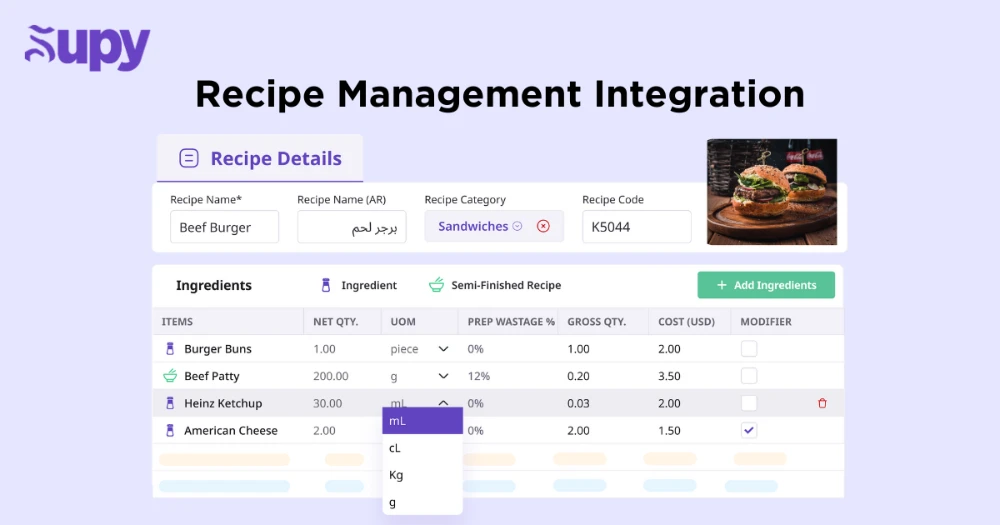
Verschwendete Bestandsprodukte führen direkt zu Gewinnverlusten für Restaurants. Bei Cafés ist das Problem ausgeprägter, da die Lagerzutaten eine begrenzte Haltbarkeit haben und anfälliger für Verschwendung sind. Supys Software identifiziert Beschaffungs- und Nutzungsmuster, die häufig zu Verschwendung führen, und liefert Ihnen Echtzeit-Controlling-Daten, um das Ausmaß des Problems zu erkennen. Aber warum ist die Reduzierung von Verschwendung in Cafés so wichtig? Die Reduzierung von Verschwendung steht in direktem Zusammenhang mit der Kostenkontrolle in einem Unternehmen. Zu den Vorteilen der Warenwirtschaft zur Reduzierung von Verschwendung gehören:
- Es hilft, Betriebskosten zu senken, indem die Menge an verschwendeten Kaffeebohnen, Milch und anderen verderblichen Produkten minimiert wird.
- Sie erhalten optimiertere Rezepte, die die Bestände besser nutzen und nachhaltig mit dem Vorrat umgehen.
- Das Verständnis, wo Verschwendung auftritt, hilft herauszufinden, wo stattdessen Ressourcen eingesetzt werden müssen, um dieses Problem zu lösen.
- Das Studium von Abfallmustern ermöglicht es Ihnen, das angebotene Menü und die Portionen anzupassen, um Verschwendung zu reduzieren und gleichzeitig die Kundenzufriedenheit aufrechtzuerhalten.
Supy identifiziert nicht nur, wo Verschwendung entsteht, sondern hilft auch dabei, Lösungen zu entwickeln, wie diese am besten zu bewältigen ist. Wenn Eclairs über einen merklichen Zeitraum am Ende des Tages schlecht verkauft werden, schlägt Supy vor, wie das Rezept angepasst werden kann, um einen kleineren Éclair-Bestand zu führen, der vorhersehbare Nachfragen erfüllt und Verschwendung bewältigt.
5. Lieferantenverwaltung für Cafés
Eine effektive Lieferantenverwaltung ist das Rückgrat eines gut funktionierenden Cafés. Der Lieferant ist die Quelle aller Bestände – und es ist unerlässlich, eine direkte Kommunikationslinie mit Lieferanten zu haben, um sicherzustellen, dass sie Ressourcen liefern können, sobald Ihre Bestände zur Neige gehen. Die effizienteste Methode zur Lieferantenverwaltung ist die Nutzung automatisierter Managementsysteme mit den Kontakten etablierter Lieferanten. Sobald das System eine Reduzierung bestimmter Bestände unter kritische Niveaus erkennt, gibt es sofort eine Bestellung zur Wiederauffüllung auf. Dadurch entfällt die Notwendigkeit menschlicher Fehler und manueller Eingaben im Bestandsauffüllungsprozess für Cafés, was die Abläufe vereinfacht. Es reduziert auch die Wahrscheinlichkeit, dass Mitarbeiter vergessen, mehr Zutaten zu bestellen – was dazu führen kann, dass beliebte Menüpunkte nicht mehr vorrätig sind.
6. Praxisbeispiel: Erfolgreiche Warenwirtschaft im Café
Supy ist kein Neuling im Restaurantmanagement! Viele Cafés haben von seiner Warenwirtschaftssoftware profitiert, und The Coffee Address in Saudi-Arabien ist nur eines davon. Dieses 2011 gegründete Geschäft hat sich im Land mit rund 140 verschiedenen Standorten einen Namen gemacht. Bei der Expansion der Filialen stieß es auf viele Herausforderungen in der Warenwirtschaft und arbeitete mit Supy zusammen, um eine Lösung zu finden. The Coffee Address setzte eine Reihe von Empfehlungen von Supy um. Die Management-Software half ihnen dabei:
- Bestandszählungen kontinuierlich zu verfolgen
- Aktualisierte Umsatzdaten direkt vom POS zu erhalten
- Direkte Dateneingabe zu etablieren
- Bestellvorgänge und Warenwirtschaft zu verbessern
- Schnellere Warenwirtschaftsentscheidungen mit Controlling-Daten zu treffen
Diese hervorgehobenen Bereiche und vorgeschlagenen Maßnahmen halfen The Coffee Address dabei, Verschwendung drastisch zu reduzieren und die Kosten um rund 25 % zu senken. Mit etwa 100 gesparten Stunden pro Monat konnte sich das Personal auf andere anfallende Aufgaben konzentrieren, und die Gesamtrentabilität des Cafés stieg. Genau wie The Coffee Address können auch Sie Ihr Café in diesem wettbewerbsintensiven Markt erfolgreicher machen!
7. Fazit: Nehmen Sie Ihre Warenwirtschaft in die Hand
Ein erfolgreiches Café zu führen muss nicht so schwer sein, wie alle behaupten. Mit den richtigen Tools und dem richtigen Team an Ihrer Seite können Sie wichtige Prozesse wie Menü-Engineering, Warenwirtschaft und Abfallreduzierung optimieren. Mit einem Café Gewinne zu erzielen ist kein Einheitsansatz – es erfordert, dass ein Betreiber eine Vielzahl von Faktoren berücksichtigt. Wenn Sie Schwierigkeiten haben, mit den Bestandsauffüllungen und Berichten Schritt zu halten, überlassen Sie Supy die Arbeit. Es ist ein zuverlässiges Tool mit einer nachgewiesenen Erfolgsbilanz bei der Unterstützung von Cafés zur besseren Leistung. Möchten Sie Ihr Café-Geschäft verbessern? Vereinbaren Sie eine Demo mit Supy und überzeugen Sie sich selbst vom Unterschied! Supy ist eine Plattform für Restaurantwarenwirtschaftssoftware, die Cafés mit einem oder mehreren Standorten dabei helfen kann, ihre Bestände zu verbessern und Verschwendung zu reduzieren. Neben der Warenwirtschaft bietet es weitere Funktionen wie Menü-Engineering, regelmäßige Umsatz-Updates, Echtzeit-Controlling und Unterstützung bei der Abfallreduzierung. Mit Supy als Partner bleiben Restaurantbetreiber über wichtige Fakten und Zahlen informiert, die sie sonst leicht übersehen könnten. Es ist das bevorzugte Tool, wenn Sie Ihr Unternehmen und Ihre Gewinne in einem so wettbewerbsintensiven Umfeld ausbauen möchten. Wenn Sie Ihr Café expandieren möchten, sehen Sie sich dieses informative E-Book an: Der ultimative Leitfaden zur Eröffnung einer Zentralküche für F&B-Unternehmen mit mehreren Filialen.
Verwandte Ressourcen