Implementing AI and Machine Learning in Restaurant Inventory Management

We’re all aware of how restaurant inventory management solutions have become a critical part of our modern restaurant operations. Whereas traditional inventory methods often led to issues like overstocking and waste, a new exciting development in the area has restaurant owners around the world buzzing with excitement. Enter artificial intelligence (AI) and machine learning!
Today, AI-powered inventory management systems can perform an entire laundry list of functions with just one click of a button! Now you can analyze real-time data from your point-of-sale (POS) systems, track inventory levels, and forecast demand with remarkable accuracy. For example, modern predictive analytics tools have allowed many businesses to align their inventory with their demand patterns, ensuring optimal levels of stock are available at all times, thus reducing the risk of food spoilage. Not only does this help restaurants cut costs – it also supports environmentally responsible practices, as excessive waste and energy consumption are minimized!
- The Importance of Effective Inventory Management
- How AI is Transforming Inventory Management
- Real-Time Data Analysis and AI-Driven Insights
- The Role of Predictive Analytics in AI Inventory Management
- Restaurant Inventory Optimization with AI
- Overcoming Barriers to AI Adoption in Inventory Management
- Future Trends in AI Inventory Management
- Supy's Role in Restaurant Inventory Management
- Conclusion
- About Supy
It’s no wonder then that the adoption of AI technologies has revolutionized how restaurants handle their inventory. By leveraging these new data-driven insights, restaurants can keep their operations precise, and reduce their overhead costs, while simultaneously meeting their operational and environmental goals in an otherwise incredibly competitive industry landscape. Read on to learn more about what AI can do for your business!
1. The Importance of Effective Inventory Management
According to recent articles on Hospitality Net and in the Association for Supply Chain Management, setting up effective inventory management systems is a crucial step for restaurants looking to control their costs, minimize waste, and maximize their profitability.
Historically, manual systems of inventory tracking have often been prone to errors, such as discrepancies in stock counts or overlooking items nearing expiration. These issues often lead to food spoilage or over-ordering, which contribute to waste and lost revenue.
How Inventory Optimization Impacts Profitability
By implementing robust inventory management practices, restaurants can align their stock levels with their actual supply demand. For instance, by using tools like predictive analytics and low-stock alerts, restaurant owners and managers can prevent accidental over-purchases while simultaneously making sure that their critical ingredients never run out (for more, check out this app for restaurant managers).
Broader Benefits
By optimizing their inventory systems, restaurants can also do their part to improve sustainability—an increasingly important aspect of modern operations! Efficient inventory systems also enhance cash flow, allowing restaurants to allocate resources to other priorities, such as marketing or staff training.
2. How AI is Transforming Inventory Management
According to Restaurant Technology News, AI-driven tools are revolutionizing the restaurant industry by automating data collection and thus improving the decision-making process.
For instance, many modern systems integrate with point-of-sale (POS) and inventory platforms, thus enabling seamless data aggregation and analysis. This real-time data tracking identifies your stock levels, monitors usage patterns, and highlights trends to help restaurants forecast demand accurately.
Machine learning algorithms also play a pivotal role in predicting your restaurant’s inventory needs. By analyzing historical sales, seasonal variations, and external factors like local events, these systems can offer actionable insights for your business. Now restaurants can adjust their orders in advance to avoid any disruptions during peak times. For instance, you could use AI and machine learning to make recipe adjustments that use up ingredients nearing expiration more quickly!
Evidently, these advancements play a deep role in reducing human error and streamlining the inventory process. By setting up automated alerts for low stock or risks of expiration, restaurant managers can then shift their focus from the tedium of manual inventory tasks to more exciting aspects of the business – like improving customer service!
3. Real-Time Data Analysis and AI-Driven Insights
The integration of AI and machine learning in restaurant inventory management has transformed how inventory is tracked and optimized. This article by QSR Magazine mentions how real-time data analysis in restaurants is achieved by IoT sensors and AI-powered dashboards, allowing restaurants to continuously monitor their stock levels and provide special insights into the process.
Technology Overview
So first, IoT devices (such as smart sensors) are employed to collect data on your restaurant’s inventory usage, temperature, and the expiration dates of your ingredients. This information is then transmitted to your AI-driven systems. The appropriate dashboards will then analyze this data to identify patterns and provide insights into how the entire operation can be managed more efficiently.
Applications and Impact
AI tools allow the tracking of your inventory levels in real-time, can alert managers of critical stock shortages, and will even predict your future demand through data analysis. For example, AI can analyze your sales data to optimize your reordering schedules, thus minimizing the chances of a stockout. Additionally, AI systems integrated with point-of-sale (POS) platforms can forecast inventory needs based on customer purchasing trends, improving accuracy and reducing spoilage.
By automating these processes, restaurants not only save labor hours but also ensure a consistent supply chain, leading to enhanced customer satisfaction.
4. The Role of Predictive Analytics in AI Inventory Management
According to this article by the independent AI publication, Nexaverse, predictive analytics are a great way to anticipate your future inventory needs. But how does it all work? Well, AI systems will analyze your past sales patterns, market trends, and external factors to predict your restaurant’s inventory requirements with precision. For instance:
- Seasonal trends can forecast an increased demand for holiday-specific dishes, whereas,
- Special events in the area (such as game days or festivals) may forecast a possible customer surge period.
The inventory management benefits to your business are as follows:
- Minimized Waste: Accurate demand forecasting allows restaurants to reduce spoilage of perishable items.
- Improved Procurement: With automated suggestions, you can streamline your ordering processes.
- Optimized Storage: Efficient stock management systems prevent overcrowding, thus reducing your storage costs.
In the end, AI-driven predictive analytics help your restaurant meet customer demand while also keeping your food and labor costs
in check. For this reason alone, they are certainly a hefty tool to have in your toolbox!

5. Restaurant Inventory Optimization with AI

Here are three key ways artificial Intelligence and machine learning are transforming restaurant inventory management:
- Just-in-Time (JIT) Inventory Management
In this method, AI-powered systems allow restaurants to implement JIT inventory practices, ensuring stock is only replenished when it is needed. This minimizes your food costs and reduces spoilage. By using AI to analyze historical sales data and customer behavior trends, these systems accurately forecast demand and trigger timely orders. - AI-Based Supplier Coordination
You can also use AI to communicate and coordinate with suppliers. Special tools can be installed to dynamically adjust inventory levels based on real-time sales trends and predictive analytics. These systems recommend optimal order quantities and schedules, allowing for more efficient procurement and minimizing overstocking issues. - Dynamic Order Adjustments
Here, AI tools adapt orders based on customer behavior and seasonal trends. For example, systems can detect spikes in demand for specific menu items and adjust their inventory accordingly.
6. Overcoming Barriers to AI Adoption in Inventory Management

While AI-powered inventory management can offer several incredible advantages, many restaurants still struggle to adopt these technologies.
The Challenges
- Initial Investment in Technology:
AI-based inventory management systems often require significant upfront investment, including the purchase of hardware, software, and integration with existing systems. This can be a barrier for small and mid-sized restaurants that are concerned about the return on investment (ROI). - Staff Training and Resistance to Change:
Many restaurant employees are accustomed to traditional methods of inventory tracking and may resist adopting new technologies. Overcoming this resistance requires time and a shift in mindset, which can be difficult.
The Solutions
- Phased Implementation Strategies:
By gradually rolling out your AI systems, you can ease the transition process. Start by implementing AI tools in one location or department, and only continue as your staff becomes more comfortable with the technology. This approach minimizes disruptions and allows for testing before you put full implementation into place. - Partnering with Technology Providers for Training:
Collaborating with AI technology providers for training and support is crucial. Many platforms offer onboarding assistance and tailored training programs to ensure staff fully understand how to use the tools effectively. This ensures smoother adoption and maximizes the system’s potential .
By addressing these challenges with careful planning and training, restaurants can successfully adopt proper food inventory management systems and reap their rewards.
7. Future Trends in AI Inventory Management

As AI and machine learning continue to evolve, several cutting-edge technologies are shaping the future of restaurant inventory management software.
One of the most significant developments is the integration of AI-powered robotics for inventory handling. These systems automate tasks such as sorting, storing, and tracking inventory with minimal human intervention, enhancing both efficiency and accuracy in stock management.
Additionally, AI-driven food monitoring systems are becoming more advanced, allowing for real-time tracking of food quality and shelf life. These systems can alert restaurant operators about products nearing expiration, ensuring that items are used before they spoil and reducing food waste. This technology is becoming increasingly vital as sustainability remains a top priority in the foodservice industry.
Down the road, it is only expected that AI’s role in sustainability and operational excellence will only grow. As AI continues to optimize food ordering, delivery, and waste reduction systems, it can help restaurants cut down on resource use, minimize waste, and achieve more sustainable practices.
8. Supy's Role in Restaurant Inventory Management
Supy offers several comprehensive services designed to help you in your journey to restaurant management. Our expertise in the food and beverage industry means we understand the unique challenges you face and can provide tailored solutions to meet your needs. Here’s how Supy is designed to help:
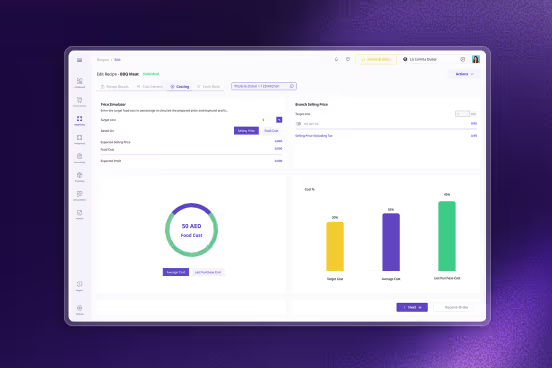
Keeping Track of Stock: With Supy’s inventory management features, you can monitor your inventory levels at a glance. This lets you identify any irregularities or discrepancies with Supy’s built in alerting systems! Never fall behind on inventory tracking again!
Find & Fix Discrepancies: With this feature, you can monitor inventory levels at a glance, ensuring stock levels never go higher or lower than they should. This lets you identify any irregularities or discrepancies asap with Supy’s built in alerting systems. With Supy’s inventory management feature, you can review the stock you have on hand, your stock value, and par levels all at once.
All Your Inventories in One Place: Effortlessly manage your kitchen and bar operations by keeping a close eye on the costs of your prized ingredients. With Supy’s inventory tracking feature, you can easily transfer goods between inventories online and assign a unique storage location to every item you create. Never let go of control over your stock levels again—Supy has your back!
Register Wastage Events Quickly & Accurately: Never forget to log a wastage event again; with Supy’s mobile app, you can keep your inventory accurate by registering events as soon as they happen! Log your wastage events by recipe and let Supy automatically deplete that item accordingly.
9. Conclusion
In the end, there is no question that AI and machine learning are revolutionizing inventory management systems across the restaurant industry. These technologies hold immense potential to reduce food waste, optimize supply chains, and enhance profitability. By leveraging AI-powered tools, restaurants can gain real-time insights into inventory levels, predict demand with greater accuracy, and automate ordering processes, minimizing both overstocking and stockouts. Indeed, investing in AI-driven tools is essential for restaurants aiming to stay competitive in today’s fast-paced market.
To stay updated on the latest trends in artificial intelligence and machine learning in restaurants, we urge you to sign up for Supy's newsletter. Or for a more hands-on approach, why not book a free demo? To learn more about restaurant operations management software, click here.
Explore Supy’s solutions to optimize inventory today!
10. About Supy
Supy is the best restaurant inventory management software platform tailored for multi-branch restaurants and franchises. With features like real-time inventory tracking, smart procurement systems, and advanced analytics, Supy helps restaurants manage their various demands effectively and provides the tools restaurants need to thrive in a dynamic industry.
For the latest expert insights, download Supy’s ebook: The Ultimate Guide to Reducing Food Costs in Multi-Branch & Enterprise Restaurants.
Ready to find out more? Schedule a demo with Supy today and take the first step towards a streamlined, profitable future.
Related Resources
Take your hospitality business
to the next level