.jpg)

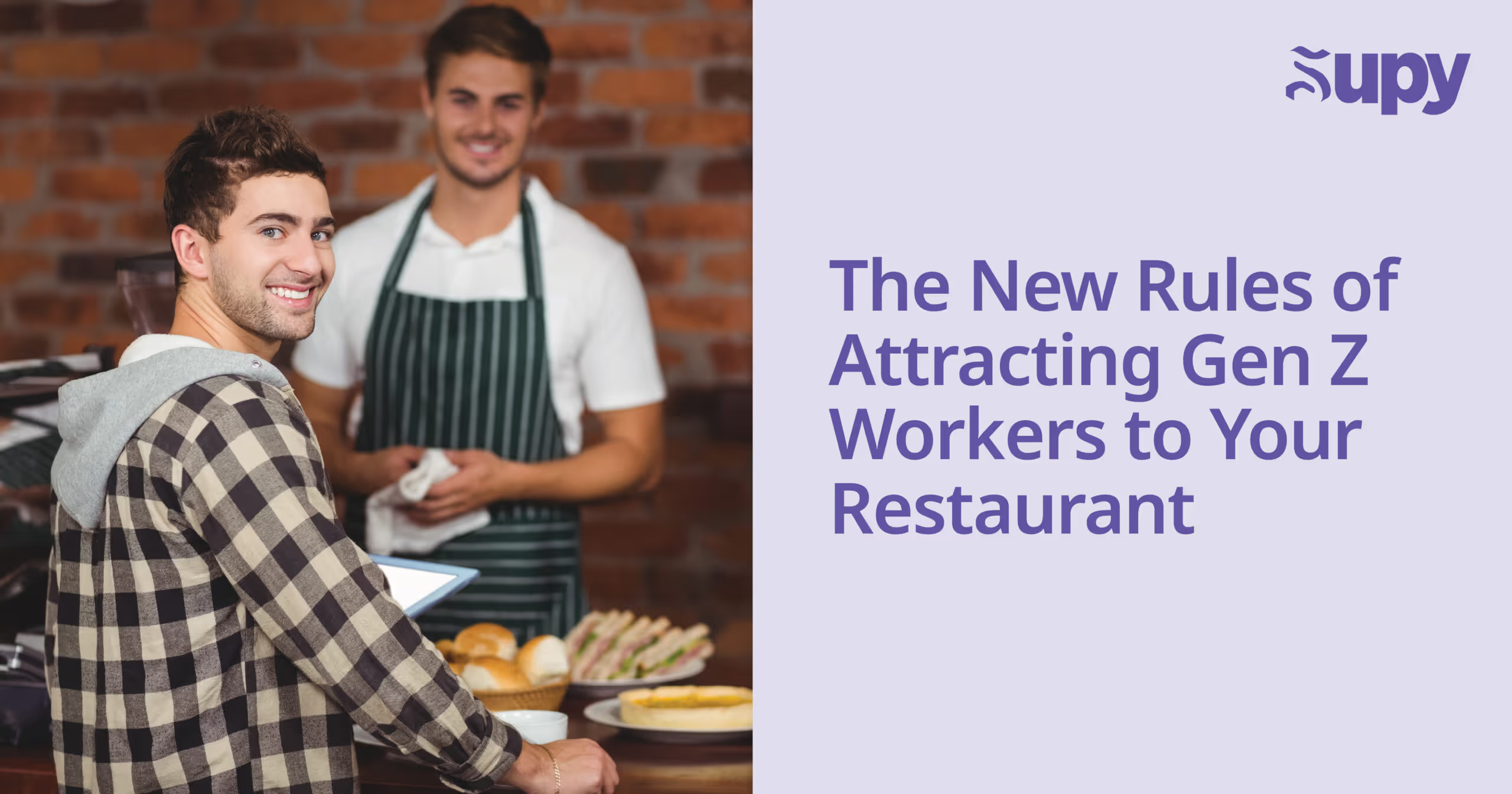
Attracting Gen Z to Your Restaurant: New Strategies for a New Generation
Finding and keeping great staff has never been easy in the restaurant industry, and with Gen Z restaurant workers now making up a major part of the workforce, the game is changing fast. Unlike previous generations, today’s Gen Z team members bring new expectations to the table: they’re tech-savvy, value flexibility, care about workplace culture, and want jobs that offer more than just a paycheck.According to the National Restaurant Association, attracting and retaining Gen Z is critical to the success of the $800 billion restaurant and foodservice industry. In other words, if you want to build a strong team for the future, it’s time to rethink your approach. In this guide, we’ll break down fresh strategies to recruit, engage, and lead Gen Z workers — and show you how a few smart changes can make all the difference.
- Understanding Gen Z — What They’re Looking For at Work
- Show Them a Clear Career Trajectory
- Make Hiring and Communication Mobile-First
- Offer Flexibility and Keep It Predictable
- Build a Workplace That Reflects Their Values
- Bring in the Right Technology for Daily Operations
- Prioritize Real-Time Recognition and Feedback
- Rethink Benefits for a New Generation
- Create a Fun, Inclusive, and Team-First Culture
- Conclusion
- About Supy
1. Understanding Gen Z — What They’re Looking For at Work
If you want to attract Gen Z restaurant workers, it helps to first understand what interests them. This generation grew up online, moving fast, and thinking globally. They’re comfortable with technology, value diversity, and want their work to actually mean something, not just fill a paycheck.Here’s a quick look at what Gen Z expects from a job today:Tech that works: They expect digital tools like mobile scheduling apps and modern POS systems. Outdated processes are a major red flag.https://www.youtube.com/watch?v=y9oiTLM1pq0
- Purpose over just pay: Gen Z cares about working somewhere that aligns with their values, like sustainability, social responsibility, and community involvement.
- Real diversity and inclusion: They want to see diversity not just on the floor, but in leadership too.
- Room to grow: Clear advancement paths, development opportunities, and mentorship matter a lot. If it feels like a dead-end, they’ll move on.
- Regular feedback: They’re used to instant communication. Quick, honest feedback (and recognition when it’s earned) helps them stay motivated.
- Flexibility: Juggling school, side gigs, or personal passions, they value schedules that respect their time outside of work.
82% of Gen Zs had their first paid job in a restaurant, giving the industry a huge head start. The key now is making sure their first experience is positive enough that they want to stay and grow with you.
2. Show Them a Clear Career Trajectory
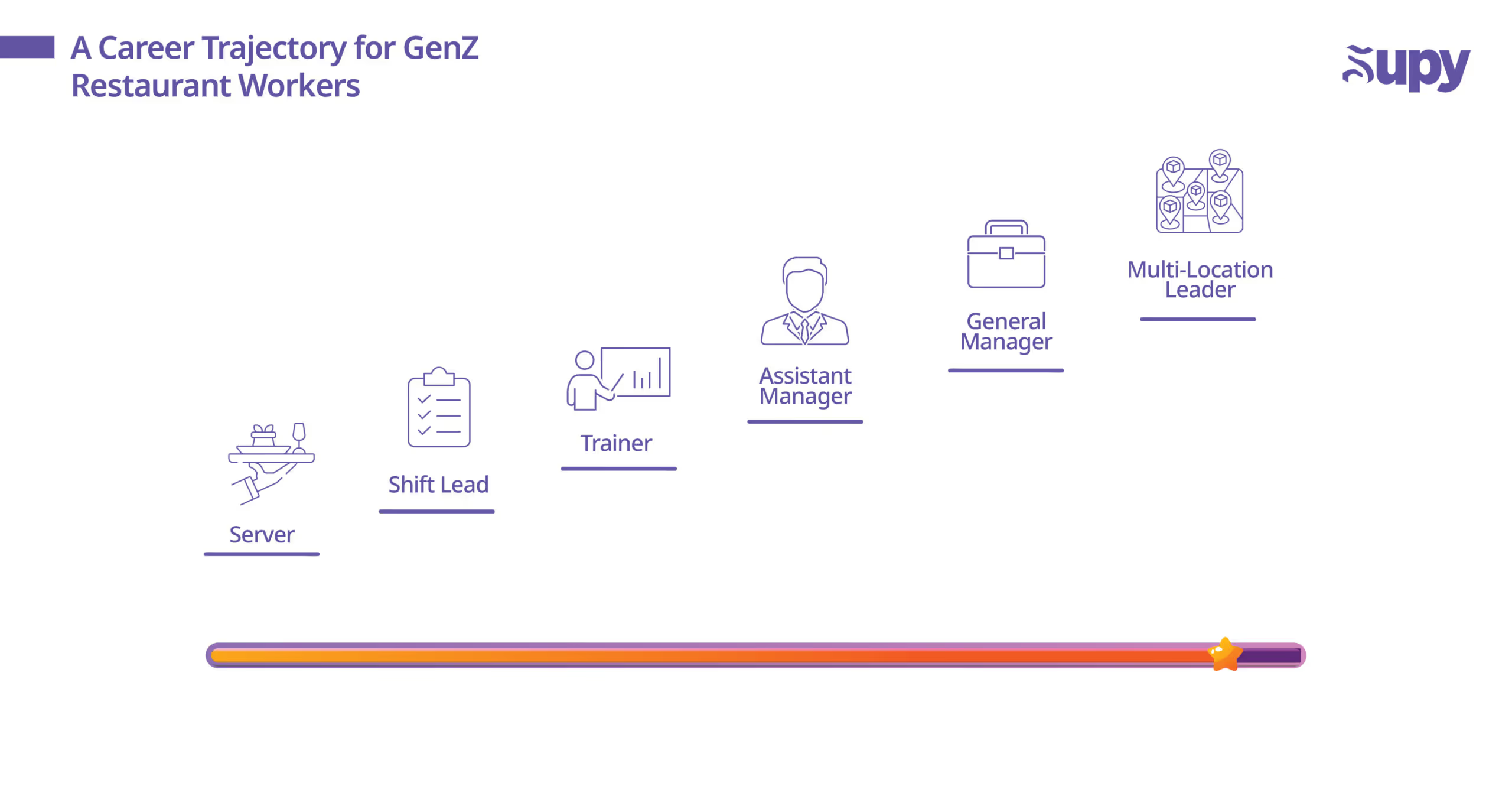
Gen Z workers aren’t just looking for their next paycheck, they want to know where the job can take them. If you can map out a clear growth path from the start, you’ll have a much better chance of attracting and keeping top Gen Z talent. It's not enough to say “there’s room to grow”; you need to show them how.Here’s how to make it real:
- Create a simple career roadmap: Show how someone can move from entry-level to leadership roles, and what skills or milestones are needed at each step.
- Introduce growth early: Talk about advancement opportunities during the hiring process and onboarding, not months later.
- Offer layered training: Build structured phases (like "Level 1 Server," "Level 2 Trainer") that reward progress and turn everyday work into real employee development opportunities.
3. Make Hiring and Communication Mobile-First
If your hiring process still depends on printed applications or long email chains, you’re already losing Gen Z workers. This generation grew up on smartphones, they expect quick, mobile-friendly communication at every step. If applying or getting shift updates feels clunky, they'll move on to somewhere else that’s easier.Here’s how to meet them where they are:
- Simplify applications: Use mobile-optimized job applications that can be completed in just a few minutes, bonus points if candidates can apply through social media.
- Text, don't just email: Communicate interview invites, shift changes, and updates by text. It’s faster, feels personal, and fits their habits.
Use mobile scheduling tools: Give your team an app where they can check schedules, swap shifts, and message managers without needing a desktop.
4. Offer Flexibility and Keep It Predictable
Gen Z employees crave flexibility, but they also want reliability. They don’t mind working weekends or gig work as long as they can plan for them. What drives young workers away isn’t the hours themselves; it’s the last-minute changes, unclear expectations, and constant scheduling chaos.Here’s how to balance it right:
- Use self-service scheduling tools: Let employees easily request time off, pick up open shifts, or swap schedules without a dozen emails or manager approvals.
- Post schedules early: Aim to release shift schedules at least two weeks in advance whenever possible. It shows respect for their time and commitments.
Offer stable, flexible options: Combine flexibility with structure, like offering consistent part-time shifts (e.g., every Friday–Sunday lunch) so they can plan around school or side gigs.
5. Build a Workplace That Reflects Their Values
Gen Z cares about who they’re doing it for. In today’s hospitality sector, if your restaurant’s actions don’t match their values, it’ll find somewhere else to work. Young workers want to feel proud of where they spend their time, and that pride comes from believing in the company's mission.Here’s how to make your values visible:
- Show your commitment: If you talk about environmental sustainability or social justice, make sure it’s real, and show how it plays out day-to-day in your operations.
- Involve the team: Engage employees in your initiatives, whether it’s a local fundraiser, a recycling program, or a volunteer day. Such efforts help motivate Gen Z and build loyalty.
Make values part of daily life: Weave your mission into team meetings, training, and even customer interactions. A visible, strong company culture keeps values alive beyond posters on the wall.
6. Bring in the Right Technology for Daily Operations
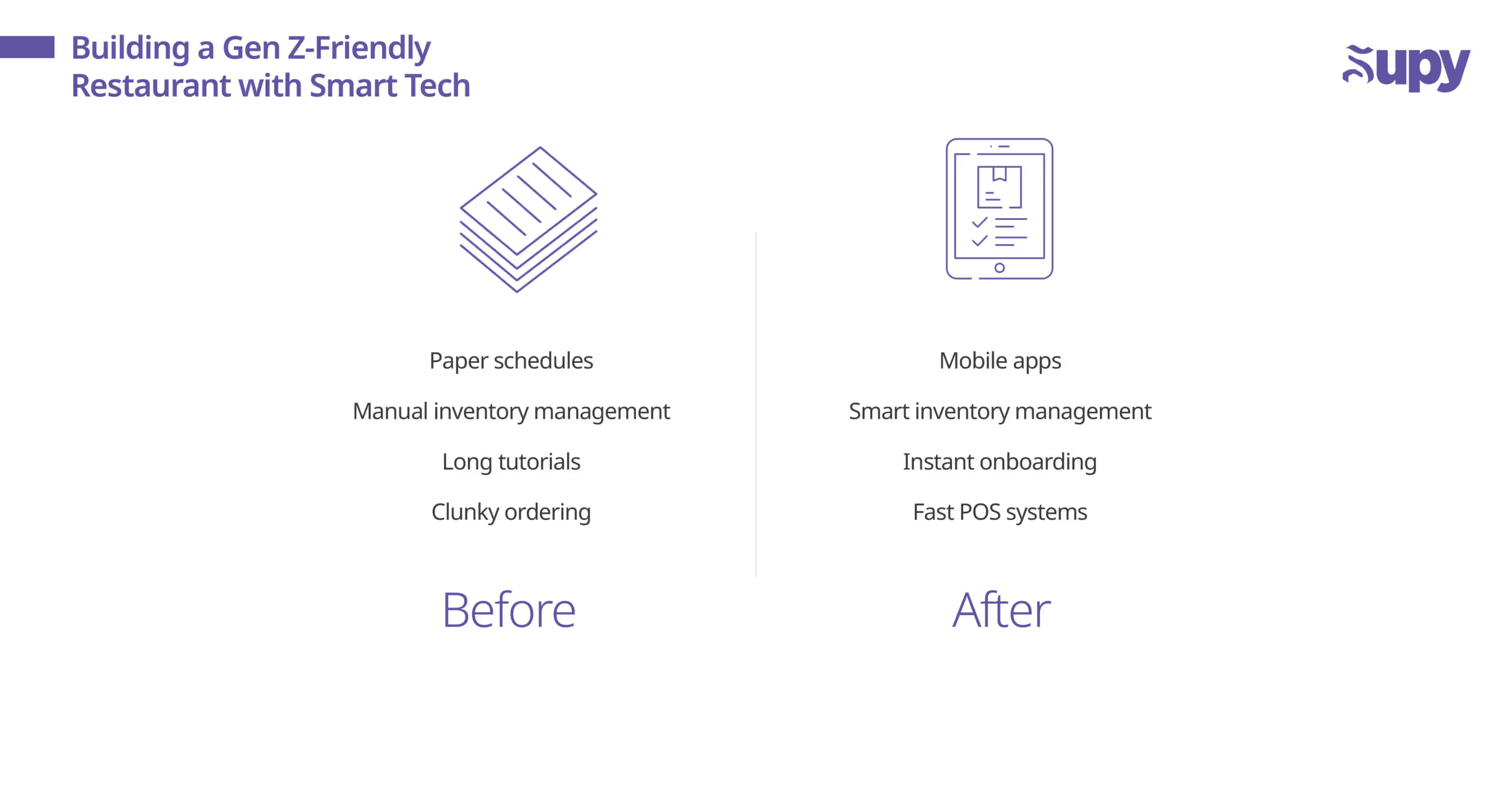
To Generation Z, clunky systems signal an outdated workplace. These digital natives expect tools that work fast, feel intuitive, and make their day-to-day jobs easier. If checking a schedule, entering an order, or training for a shift feels harder than it should, frustration builds fast, and loyalty drops.Here’s where to focus first:
- Upgrade essential tools: Use modern POS systems, smart inventory management, mobile scheduling apps, and digital onboarding instead of outdated manuals or binders.
- Keep it intuitive: Choose tech that’s simple, fast, and mobile-friendly. No one wants to sit through hour-long tutorials just to clock in.
- Give them access: Let employees view schedules, pay info, training materials, and communication tools right from their phones. Small tech upgrades have a huge positive impact on daily work.
7. Prioritize Real-Time Recognition and Feedback
Generation Z grew up with instant feedback from social media, gaming, and school apps. Waiting months for a performance review won’t keep them motivated. They want to know how they’re doing now and feel recognized when they do good work.Here’s how to make recognition part of the daily routine:
- Give casual shoutouts: Call out small wins in pre-shift meetings, team chats, or quick one-on-ones to keep momentum high.
- Keep feedback flowing: Make feedback regular, short, and specific, not just when something goes wrong. Ongoing praise ties directly to stronger job satisfaction.
- Create space for input: Let Gen Z workers share their ideas too, especially through team surveys, suggestion boxes that reward fresh ideas.
8. Rethink Benefits for a New Generation
For many Gen Z restaurant workers, traditional benefits like 401(k) plans or basic health insurance aren’t their top priority, especially early in their careers. What matters more are the perks that make a real difference in their daily lives and overall well-being.Here’s what catches their attention:
- Flexible pay options: Instant pay apps or early wage access programs, or employee incentive programs help them manage money better between paychecks.
- Mental health support: Offer access to wellness programs, mental health resources, or simple practices like mental health days.
- Invest in growth: Professional development stipends, continuous learning certifications, or mini-courses show you're serious about their future.
9. Create a Fun, Inclusive, and Team-First Culture
The Gen Z workforce is looking for a workplace that feels supportive, inclusive, and, honestly, enjoyable to be part of. If shifts feel like a grind with no connection, it’s only a matter of time before they leave.https://www.youtube.com/watch?v=xIqRg3NWB-cHere’s how to build a culture that sticks:
- Host team events: Casual gatherings like pizza nights, trivia competitions, or team outings build real bonds outside of service.
- Encourage collaboration: Set up shifts so employees work together and feel like part of a team, not isolated stations.
- Lead with respect and inclusion: Make sure every employee feels welcome, heard, and valued from day one.
10. Conclusion
Attracting and retaining Gen Z workers is the future of the hospitality industry. As the global workforce shifts and younger employees set new expectations, restaurants that fail to adapt risk losing staff but long-term success. Investing in career growth, flexible scheduling, technology, and a strong culture isn’t optional anymore, it’s how you win the next generation of top talent. The restaurants that listen, evolve, and lead will be the ones that thrive in the years ahead.
11. About Supy
Building a strong team starts with building a smarter, more organized operation. Supy helps restaurants streamline their inventory management, improve back-of-house efficiency, and free up more time to focus on what really matters: leading and growing their teams. Whether you're scaling up to attract the next generation of talent or simply making day-to-day operations smoother, Supy gives you the tools to support a better, more modern workplace.Book a demo with Supy and see how we can help you build a stronger team and a stronger business.