.jpeg)

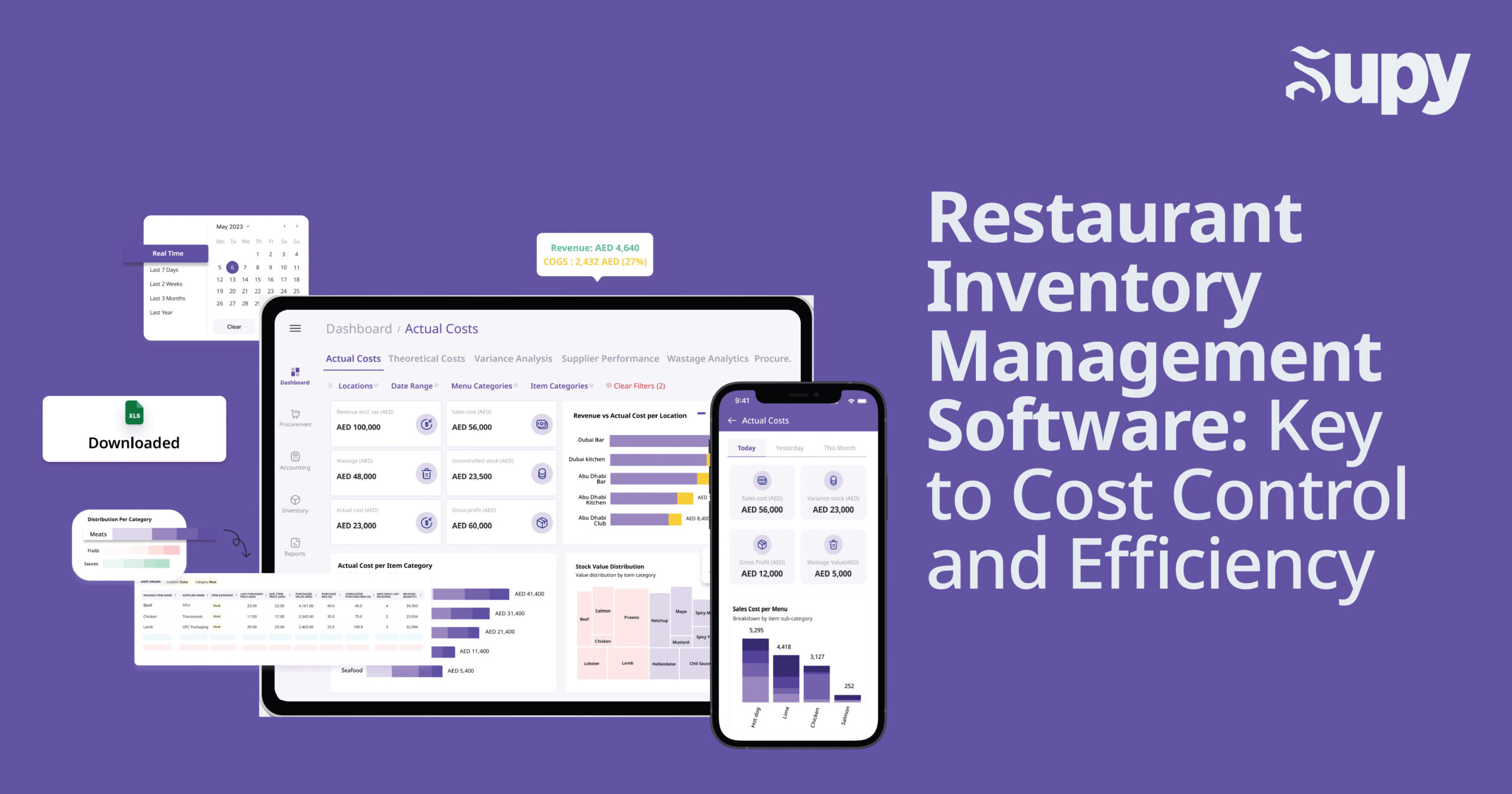
Warenwirtschaftssoftware für Restaurants: Schlüssel zu Kostenkontrolle und Effizienz
Jeder Restaurantbesitzer kennt diese Herausforderung:
Der Kühlschrank ist voll, die Regale sind bestückt – und dennoch bestellen Sie jede Woche dieselben Zutaten nach. Artikel verschwinden. Lebensmittel verderben, bevor sie verwendet werden. Und wenn Sie sich die Zahlen ansehen, steigt Ihr Lebensmittelkostenanteil weiter an.
Meistens liegt es weder am Lieferanten noch am Preis. Es liegt an der Warenwirtschaft.
Wer auf Papieraufzeichnungen, verstreute Tabellen oder das Gedächtnis setzt, hat immer eine Lücke zwischen dem, was er zu haben glaubt, und dem, was tatsächlich verbraucht wird. Eine kleine Fehlkalkulation kann zu Tausenden an Verlusten pro Monat führen – durch Verschwendung, Überbestellung oder unbemerkte Entnahmen.
Das Schwierigste daran? Sie sehen die Auswirkungen nicht sofort. Doch über die Zeit fressen sie Ihre Margen auf, verlangsamen den Service und lassen Ihr Team raten statt planen.
Warenwirtschaftssoftware hilft, diese Lücke zu schließen. Sie liefert Echtzeitdaten, engere Kontrolle und ein klareres Bild davon, was täglich in Ihrer Küche passiert.
In diesem Artikel betrachten wir:
- Häufige Warenwirtschafts-Probleme, die Gewinne schmälern
- Wie Warenwirtschaftssoftware Kosten senkt, ohne Abstriche zu machen
- Optimierung des Back-of-House-Betriebs durch Warenwirtschafts-Automatisierung
- Wichtige Funktionen bei Warenwirtschaftssoftware für Restaurants
- Ergebnisse und ROI: Der finanzielle Fall für Warenwirtschaftssoftware
- Fazit
- Über Supy
1. Häufige Warenwirtschafts-Probleme, die Gewinne schmälern
Die meisten Restaurantbesitzer brauchen keinen Vortrag über Kostenkontrolle – sie leben sie täglich. Aber wenn der Betrieb unter Hochdruck läuft, ist es leicht zu übersehen, wie viel dieses Drucks auf einen defekten oder veralteten Warenwirtschaftsprozess zurückgeht.
Hier sind die häufigsten Probleme, die still und leise an den Gewinnen nagen:
- Fehlender oder falsch platzierter Bestand: Ohne Echtzeit-Übersicht bestellen Mitarbeiter oft Artikel nach, die bereits eingelagert sind – oder entdecken im schlimmsten Fall fehlende Schlüsselzutaten mitten im Betrieb. Selbst eine verlorene oder doppelt bestellte Produktkiste im Wert von $30 summiert sich über ein Jahr auf mehr als $1,500 an Warenbestand, der still Ressourcen verbraucht.
- Lebensmittelverderb und Überbestand: Restaurants verlieren typischerweise 4–10 % ihres Lebensmittelbestands durch Verschwendung. Das bedeutet: Bei Lebensmittelkosten von $10,000 werden $400 bis $1,000 weggeworfen. Überbestellung, unsachgemäße Lagerung und vergessener Bestand sind häufig die Ursachen.
- Manuelle Inventuren kosten Zeit: Ein Manager oder Koch kann 3–5 Stunden pro Woche allein mit der Inventur verbringen – Zeit, die für Personalplanung, Service oder Vorbereitung genutzt werden könnte. Multipliziert mit vier Wochen sind das mehr als 200 Stunden im Jahr, die für eine Aufgabe aufgewendet werden, die Software heute in Minuten erledigen kann.
- Menschliche Fehler in Tabellen: Ein einziger falscher Eintrag kann Ihren gesamten Bestellzyklus durcheinanderbringen. Und Fehler werden selten rechtzeitig entdeckt – dann ist die Rechnung bereits bezahlt und der Verlust absorbiert.
- Keine Möglichkeit, Trends oder Einsparmöglichkeiten zu erkennen: Wenn Warenbestandsdaten auf Papier, Excel und E-Mails verteilt sind, ist es unmöglich, Verbrauchsmuster zu analysieren oder auf Basis des tatsächlichen Verbrauchs bessere Preise auszuhandeln.
- Verzögerte Untersuchungen bei Bestandsproblemen: Abweichungen bleiben oft wochenlang unbemerkt, was es schwierig macht, die Ursache nachzuvollziehen oder Lieferanten und Mitarbeiter zur Verantwortung zu ziehen – insbesondere bei der Verwaltung mehrerer Standorte mit unterschiedlichen Teams und Arbeitsabläufen.
Ein Beispiel ist Grit Hospitality, das drei wachsende Marken unter einem Dach verwaltet. Da jede Marke auf gemeinsame Zutaten angewiesen ist, hatte das Team Schwierigkeiten, Bestellungen zu zentralisieren und Kosten zu kontrollieren. Manuelle Prozesse und unverbundene Tabellen führten zu häufigen Verzögerungen, verpassten Einsparmöglichkeiten und fehlenden aktuellen Einblicken in den Betrieb.
2. Wie Warenwirtschaftssoftware Kosten senkt, ohne Abstriche zu machen
Restaurants, die Warenwirtschaftssoftware nutzen, verzeichnen einen Rückgang des Lebensmittelkostenanteils um 2–5 %. Das ist echtes Geld, das eingespart wird, ohne das Menü zu ändern oder Qualitätseinbußen hinzunehmen.
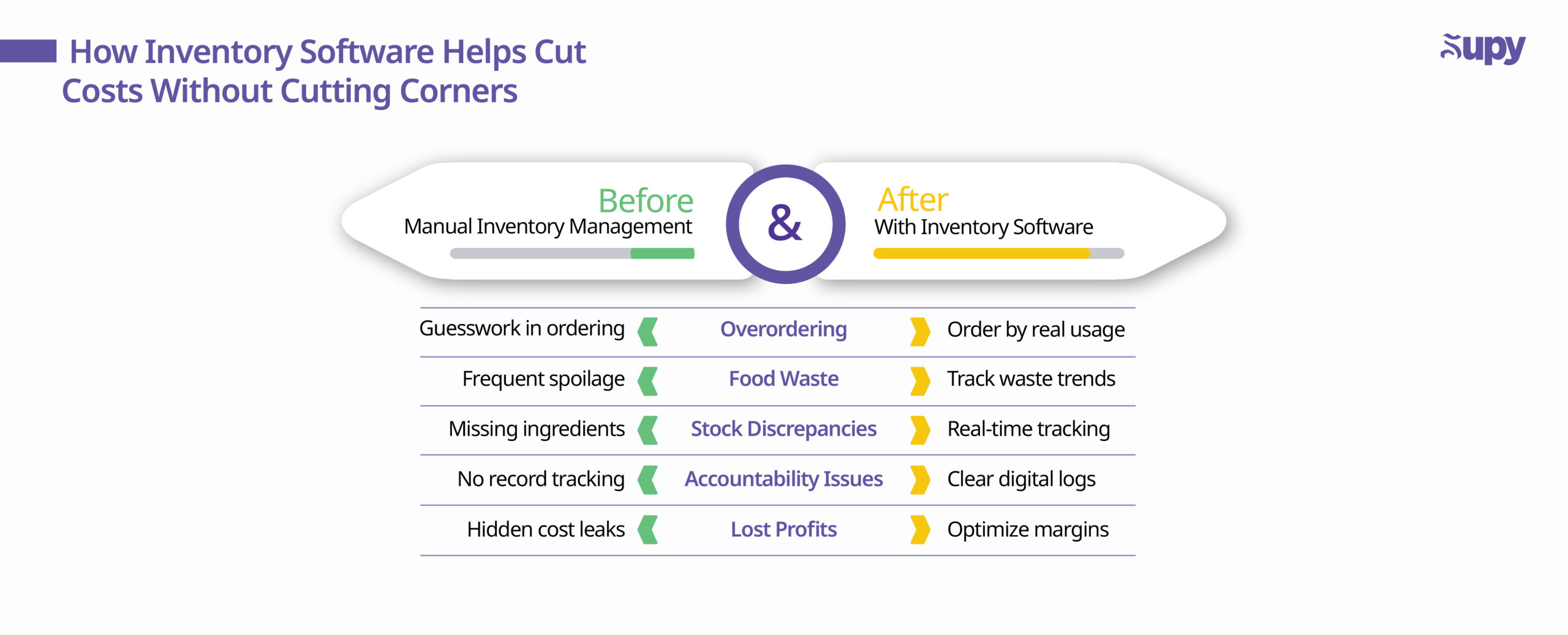
Hier sind einige Möglichkeiten, wie sie das Ergebnis beeinflusst:
- Keine Überbestellungen mehr. Bestellen Sie nur, was Sie brauchen, basierend auf Echtzeit-Lagerbeständen.
- Verschwendung erkennen, bevor sie sich anhäuft. Identifizieren Sie Zutaten, die regelmäßig ungenutzt bleiben oder verfallen.
- Abweichungen frühzeitig erkennen. Verfolgen Sie, was im Lager sein sollte, und was tatsächlich vorhanden ist.
- Teams zur Verantwortung ziehen. Klare Aufzeichnungen verbessern die Gewohnheiten bei Portionierung und Vorbereitung.
- Versteckte Einsparungen erschließen. Kleine Anpassungen bei Bestellung und Verbrauch führen zu großen Ergebnissen.
Unser früheres Beispiel von Grit Hospitality zeigt, wie wirkungsvoll dieser Wandel sein kann. Nachdem das Team mit Verzögerungen, fragmentierten Bestellungen und versteckten Abweichungen über drei Marken hinweg zu kämpfen hatte, entschied es sich für Supys System, um die Kontrolle über seinen Betrieb zurückzugewinnen.
Mit digitalisierter Beschaffung und mehr Transparenz konnten die Gesamtzutatkosten gesenkt und Upselling-Möglichkeiten entdeckt werden, die zuvor übersehen worden waren. Manuelle Prozesse wurden durch schnellere, effizientere Arbeitsabläufe ersetzt, sodass das Top-Management Probleme angehen konnte, bevor sie eskalierten.
3. Optimierung des Back-of-House-Betriebs durch Warenwirtschafts-Automatisierung
In einer geschäftigen Küche zählt jede Minute. Ein automatisiertes Warenwirtschaftssystem beseitigt diese wiederkehrenden Aufgaben und hilft Restaurants, wöchentlich Stunden zu sparen und gleichzeitig die Genauigkeit zu verbessern.
So trägt es zur Verbesserung der betrieblichen Effizienz bei:
- Tägliche Warenbestandsüberprüfungen, die früher 30–60 Minuten dauerten, können jetzt in unter einer Minute erledigt werden. Mobile Zählung und Echtzeit-Dashboards machen Papierprotokolle oder sperrige Tabellen überflüssig.
- Automatisch erstellte Bestelllisten sparen Zeit und reduzieren Überbestellungen. Empfehlungen basieren auf Verbrauchsdaten, was Teams hilft, den Bedarf genauer vorherzusagen und überschüssigen Bestand zu vermeiden.
- Barcode-Scanning verbessert Geschwindigkeit und Genauigkeit. Mitarbeiter können Artikel während der Inventur scannen, was die Bestellgenauigkeit erheblich verbessert und manuelle Eingabefehler reduziert.
- Mobiler Zugriff hält alle auf dem gleichen Stand. Manager können Bestände prüfen und Bestellungen von ihren Smartphones aufgeben, selbst während der Servicezeiten.
- Automatisiertes Reporting gibt dem Management eine Echtzeit-Übersicht über die Warenwirtschaftsleistung. Teams können Probleme frühzeitig erkennen, wichtige Kennzahlen verfolgen und schneller handeln – ohne auf Monatsabschlüsse angewiesen zu sein.
Diese Verbesserungen sparen nicht nur Zeit. Sie machen den Back-of-House-Betrieb genauer, reaktionsfähiger und einfacher zu verwalten. Mit weniger Zeit für die Fehlerkorrektur oder Bestandskontrolle kann sich Ihr Team auf den Service, die Lebensmittelqualität und einen effektiveren Küchenbetrieb konzentrieren.
4. Wichtige Funktionen bei Warenwirtschaftssoftware für Restaurants
Nicht alle Warenwirtschaftssysteme sind gleich. Wenn Sie in eine Lösung investieren, um den Betrieb zu optimieren und Kosten zu senken, achten Sie auf Funktionen, die die Leistung in Ihrem Lebensmittel- und Getränkebestand direkt verbessern. Die richtigen Tools sparen Zeit, reduzieren Verschwendung und helfen Ihnen, Margen mit mehr Präzision zu steuern.
1. Echtzeit-Bestandsverfolgung
Transparenz ist die Grundlage einer guten Bestandskontrolle. Die besten Systeme bieten Echtzeit-Verfolgung, sodass Sie immer wissen, was auf Lager ist, was zur Neige geht und wo sich Probleme abzeichnen.
Achten Sie auf Tools, die Folgendes ermöglichen:
- Sofortige Einsicht in Lagerbestände über verschiedene Lagerbereiche
- Trennung von Bar- und Kücheninventar für bessere Kostenkontrolle
- Bestandswarnungen, bevor wichtige Zutaten zur Neige gehen
- Nutzung mobiler Geräte für schnelle, genaue Inventuren
- Tägliche Inventurprüfungen auf Minuten statt Stunden verkürzen
2. Intelligente Beschaffung und Bestellung
Manuelle Bestellungen erhöhen das Risiko von Überbeständen, Verschwendung und vergessenen Artikeln. Intelligente Systeme vereinfachen den Prozess, indem sie Bestellungen basierend auf tatsächlichem Verbrauch und Mindestbeständen vorschlagen und Ihnen helfen, die Warenbestandskosten effektiver zu kontrollieren.
Priorisieren Sie Funktionen, die:
- Sie benachrichtigen, wenn Artikel unter die Mindestmenge fallen, mit integrierten Bestandswarnungen
- Bestellmengen basierend auf tatsächlichem Verbrauch und Verbrauchsmustern vorschlagen
- Artikel nach Lieferant oder Kategorie gruppieren, um den Einkauf zu beschleunigen
- Bevorzugte Lieferanten festlegen, um wiederkehrende Bestellungen zu vereinfachen
- Genaue Bestellungen mit wenigen Klicks senden
3. Automatisierte Rechnungs- und Lieferantenverwaltung
Ein leistungsstarkes Warenwirtschaftssystem hilft Ihnen, Preisänderungen vorauszusehen und Abrechnungsabweichungen zu erkennen, bevor sie die Gewinne schmälern. Achten Sie auf Tools, die eine automatisierte Rechnungsbearbeitung unterstützen.
Wichtige Funktionen:
- Papierrechnungen mit minimalem Aufwand ins System einscannen
- Rechnungen automatisch mit Lieferungen abgleichen, um Probleme zu kennzeichnen
- Lieferantenleistung verfolgen und Preise im Zeitverlauf überwachen
- Verlorene Einnahmen durch Gutschriften und Fehlererkennung zurückgewinnen
4. Rezeptkalkulation und Rentabilitätsverfolgung
Um Ihre Margen zu schützen, brauchen Sie Einblick darin, wie Zutatenkosten Ihre Menüpreise beeinflussen. Das bedeutet, sowohl tatsächliche als auch theoretische Kosten pro Gericht zu berechnen.
Stellen Sie sicher, dass Ihre Software Folgendes kann:
- Echtzeit-Zutatenpreise mit jedem Rezept verknüpfen
- Warnungen senden, wenn steigende Kosten die Rentabilität bedrohen
- Kosten schätzen, um Leistungsbenchmarks zu setzen
- Lebensmittelkostenprozentsätze vor der Einführung neuer Menüpunkte simulieren
- Margenbasierte Preisgestaltung unterstützen, um Ihr Menü rentabel zu halten
5. Controlling und Reporting
Sie brauchen keine Rohdaten – Sie brauchen Klarheit. Leistungsstarkes Controlling hilft Ihnen zu verstehen, wohin Ihr Geld fließt und wo Einsparungen möglich sind.
Achten Sie auf Systeme, die Folgendes bieten:
- Lebensmittelkostenberichte nach Lagerstandort
- Bestandsabweichungs-Tracking zur Aufdeckung betrieblicher Probleme
- Einkaufswertberichte von Lieferanten zur Unterstützung von Verhandlungen
- Menüleistungsanalysen zur Orientierung bei Preisgestaltung und Planung
- Drill-down-Funktionen zur zeilenweisen Untersuchung von Abweichungen
6. Integrationen mit Ihren bestehenden Tools
Ein gutes Warenwirtschaftssystem arbeitet nicht isoliert. Es sollte sich mit Plattformen verbinden, die Sie bereits nutzen, damit Daten nahtlos durch Ihren Betrieb fließen.
Achten Sie auf Systeme, die Folgendes bieten:
- Integrationen mit Ihrem POS-System zur Synchronisierung von Live-Verkaufsdaten mit dem Lagerverbrauch
- Verbindungen mit Buchhaltungssoftware für nahtlose Rechnungsabstimmung
- Kompatibilität mit Beschaffungs- und Lieferantentools zur Zentralisierung von Bestellungen
- Unterstützung für mobile Geräte und Cloud-Plattformen für teamübergreifenden Echtzeit-Zugriff
5. Ergebnisse und ROI: Der finanzielle Fall für Warenwirtschaftssoftware
Restaurants, die in Warenwirtschaftssoftware investieren, sehen häufig signifikante ROI-Verbesserungen bei Lebensmittelkosten, Arbeitseffizienz und Gesamtrentabilität.
Mit dem richtigen System ist es möglich, Lebensmittelkosten um bis zu 20 % zu senken. Bei einem Restaurant mit monatlichen Lebensmittelausgaben von $30,000 entspricht das einer potenziellen Ersparnis von $6,000 pro Monat oder $72,000 pro Jahr.

Hier kommen diese Gewinne typischerweise her:
- 5–15 % Reduzierung der Warenkosten durch genauen, datengestützten Einkauf
- Bis zu 20 % weniger Lebensmittelverschwendung durch frühzeitiges Erkennen von Überbestellung, Verderb und Vorbereitungsineffizienzen
- 3–7 Prozentpunkte mehr Gewinnmarge durch aktive Überwachung der Rezeptrentabilität
- 30–50 % weniger Zeit für Warenwirtschaftsaufgaben, wodurch Mitarbeiter für wertvollere Tätigkeiten frei werden
- Weniger kostspielige Fehler durch automatische Prüfungen bei Inventuren, Lieferantenpreisen und Rechnungen
Diese Ergebnisse sind nicht auf große Ketten mit großen Budgets beschränkt. Viele unabhängige Restaurants und wachsende Gruppen erzielen dieselben Renditen, indem sie von manuellen Tools auf intelligentere Systeme umstellen.
Supy hat über 2,000 Gastronomie- und Getränkebetriebe dabei unterstützt, ihre Warenwirtschafts- und Beschaffungsprozesse zu optimieren und die Leistung direkt zu verbessern:
- 75 % Steigerung der Rentabilität
- 32 % Arbeitszeit monatlich eingespart
- Mehr als 40 Stunden manuelle Arbeit monatlich eliminiert
Wenn Ihr Team noch immer auf Tabellen, Papierprotokolle oder Schätzungen angewiesen ist, ist jetzt der richtige Zeitpunkt für ein Upgrade. Demo buchen und mehr erfahren!
6. Fazit
Wenn Lagerbestände korrekt und einfach zu verfolgen sind, arbeiten Restaurants effizienter. Sie verschwenden weniger, planen besser und reagieren schneller. Ein gutes Warenwirtschaftssystem hilft dabei, Lebensmittelverschwendung zu reduzieren, bevor sie entsteht, und verhindert Verluste durch Verderb und Überbestellung. Es erleichtert auch das Sparen, indem es Bestellgewohnheiten verbessert und kostspielige Fehler vermeidet. Wenn Ihre Küche reibungslos läuft, merken das Ihre Gäste.
In die richtigen Tools zu investieren ist einer der einfachsten Wege, die Konsistenz zu steigern, Verluste zu reduzieren und einen rentableren Betrieb aufzubauen.
Für weitere Einblicke und Strategien empfehlen wir unser eBook: Der ultimative Leitfaden zur Senkung von Lebensmittelkosten in Mehrfilialen- & Enterprise-Restaurants.
7. Über Supy
Supy ist eine moderne Warenwirtschafts- und Beschaffungsplattform, die speziell für die Gastronomie- und Getränkebranche entwickelt wurde. Sie vereint Echtzeit-Verfolgung, automatisierte Workflows und umsetzbare Einblicke, um Restaurants dabei zu helfen, die Kontrolle über ihre Kosten und ihren Betrieb zu übernehmen. Mit branchenführender Technologie im Kern vereinfacht Supy alles – von der Inventur bis zur Lieferantenverwaltung –, sodass Teams weniger Zeit mit administrativen Aufgaben verbringen und mehr Zeit damit, eine reibungslose, rentable Küche zu führen.
Wenn Sie bereit sind, veraltete Tools hinter sich zu lassen und Warenwirtschaft für sich arbeiten zu lassen, ist Supy genau dafür entwickelt worden, um Ihnen dabei zu helfen.