Supy x Revel : The Partnership Helping Multi-Site Businesses Cut Costs

In the fast-paced world of restaurant management, operational excellence is paramount, especially within large, multi-site, complex restaurant operations. Harmonizing sales and inventory data across multiple branches is a challenge that costs businesses time and money, yet it is one that needs to be overcome for the sake of reduced food waste, reduced costs, and maximize profitability.
The Supy x Revel partnership connects a market-leading iPad POS platform with a state-of-the-art restaurant inventory management software, enabling multi-site restaurants to leverage their sales and inventory data, monitor operations as a whole, and make informed decisions.
The Power of Integration
The Supy and Revel partnership represents a game-changing development for restaurant owners, and brings immense benefits to the table. Let's explore how this integration empowers restaurants:
- Centralized Sales Data
- Enhanced Inventory Management
- Streamlined Operations
- Data-Driven Decision-Making
- Scalability
- Conclusion
- What Is Supy
- Revel Systems
1. Centralized Sales Data
Gone are the days of struggling to consolidate sales data from various branches. With the Supy and Revel partnership, restaurants can now effortlessly centralize sales data. This means that business owners and managers can access real-time sales reports and insights across multiple locations from a single dashboard. This level of visibility enables data-driven decision-making, allowing restaurants to adapt to changing market conditions and customer preferences rapidly.
At the heart of a successful culinary operation lies the process of restaurant procurement. So, what exactly is restaurant procurement? Simply put, it is the strategic method of sourcing, ordering, and managing the essential ingredients and supplies required for a restaurant to function seamlessly.
Typically, this responsibility falls upon the shoulders of procurement managers or purchasing officers in larger establishments, while in smaller eateries, it might be overseen by the head chef or the owner themselves. The procurement process goes beyond just buying goods; it's about forging relationships with reliable suppliers, ensuring consistent quality of ingredients, and balancing budgets. However, the road of procurement isn't devoid of challenges.
From negotiating favorable terms with suppliers and maintaining the consistency of ingredients to navigating the fluctuations in market prices and ensuring timely deliveries, procurement managers constantly juggle various facets to keep the restaurant's operations smooth. The effectiveness of a restaurant's procurement strategy can significantly influence its profitability, customer satisfaction, and overall reputation.
2. Enhanced Inventory Management
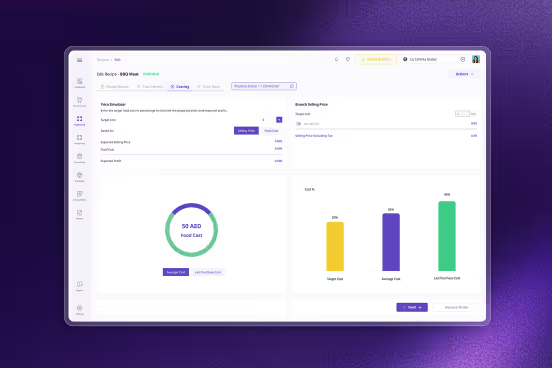
Supy's robust inventory management capabilities seamlessly integrate with Revel's POS platform. This synergy allows restaurants to gain a comprehensive view of their inventory across all branches. As a result, they can optimize stock levels, reduce wastage, and improve inventory turnover as a whole. Efficient inventory management means reduced costs and increased profitability – a win-win for restaurant owners.
3. Streamlined Operations
The partnership between Supy and Revel offers an all-in-one solution that simplifies operations. Restaurants can streamline their workflow by managing sales and inventory data in one place, reducing the need for time-consuming and error-prone manual data entry. This efficiency translates to happier staff, faster service, and ultimately, more satisfied customers.
4. Data-Driven Decision-Making
Data is invaluable in today's business landscape. With Supy and Revel's integrated system, restaurants can harness the power of data analytics. They can identify trends, analyze customer behavior, and make informed decisions that drive business growth. This data-driven approach ensures that your restaurant is always adapting to meet the needs of your target audience.
5. Scalability
As your restaurant business grows, the Supy and Revel partnership grows with you. Whether you're managing two locations or twenty, this integration scales effortlessly to accommodate your needs. This scalability is crucial for restaurants that aspire to expand their reach and stay competitive in a rapidly evolving market.
6. In Conclusion
The integration of Supy and Revel enables centralized sales data, enhanced inventory management, streamlined operations, data-driven decision-making, and scalability. Together, we are revolutionizing the restaurant industry by providing a unified, efficient, and cost-effective solution to the challenges that many restaurants face.
In an industry where every detail counts, the Supy and Revel partnership paves the way for improved efficiency, increased profitability, and happier customers. It's not about pointing out weaknesses; it's about celebrating the possibilities and opportunities this partnership creates for the future of restaurant management.
7. What Is Supy
Supy is the restaurant inventory management software designed to help multisite restaurants run efficient back-of-house operations. With several integrated back of house modules, namely procurement, menu engineering, inventory management, and reports and analytics, Supy’s the tool of choice for restaurant businesses looking to cut costs and boost profits.
8. About Revel Systems
Revel’s point of sale and business management platform provides a native cloud technology solution at the heart of our clients’ businesses. The Revel platform helps restaurants and retailers deliver a better customer experience, diversify revenue streams, and scale their businesses with ease. Revel is committed to client success and strives to be a people-first business, leading with integrity and transparency.