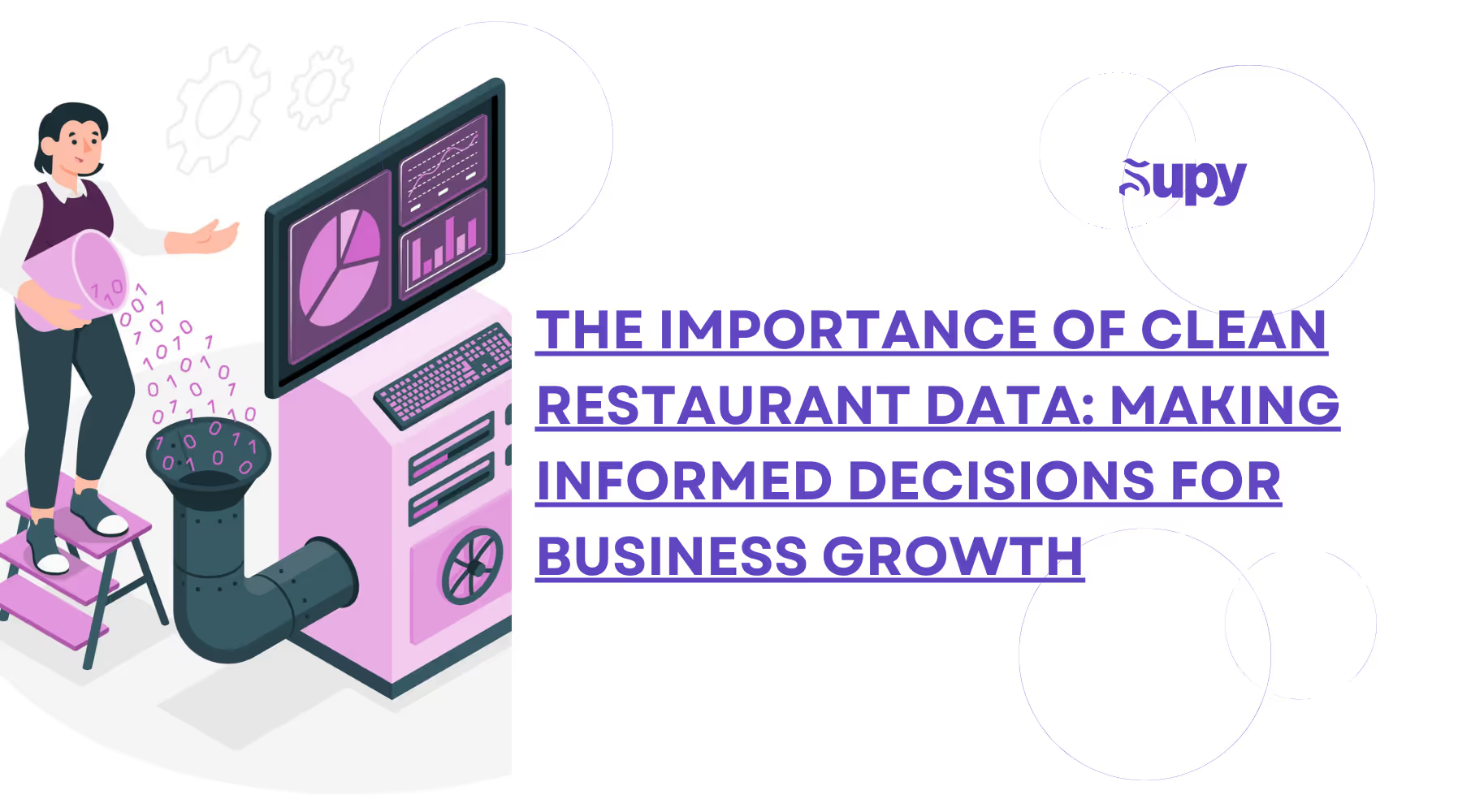
The Importance of Clean Restaurant Data: Making Informed Decisions for Business Growth
Decision-making in the restaurant business is changing rapidly. Many restaurant owners are now seeing the clear impact of data-driven strategies on their success. In a survey, 46% of business leaders identified restaurant analytics and business intelligence as top technology investments for 2024 forward, highlighting the growing importance of clean and accurate data in shaping smarter decisions.
Yet, 71% of restaurant operators cite poor data quality as a major challenge, holding them back from reaching their full potential. It’s time for restaurants to up their game and focus on not just storing and analyzing data but ensuring that data is accurate, consistent, and actionable. Clean data is the foundation for better forecasting, performance tracking, and decision-making.
In this blog, we’ll look at:
- What Does It Mean to Have Clean Restaurant Data?
- The Impact of Clean Data on Restaurant Analytics
- Strengthening Financial Planning and Expansion
- Mitigating the Challenges in Maintaining Clean Restaurant Data
- Using Restaurant Analytics for Competitive Advantage
- Conclusion
- About Supy
Let’s see how to use clean restaurant data to unlock growth and efficiency in your operations.
1. What Does It Mean to Have Clean Restaurant Data?
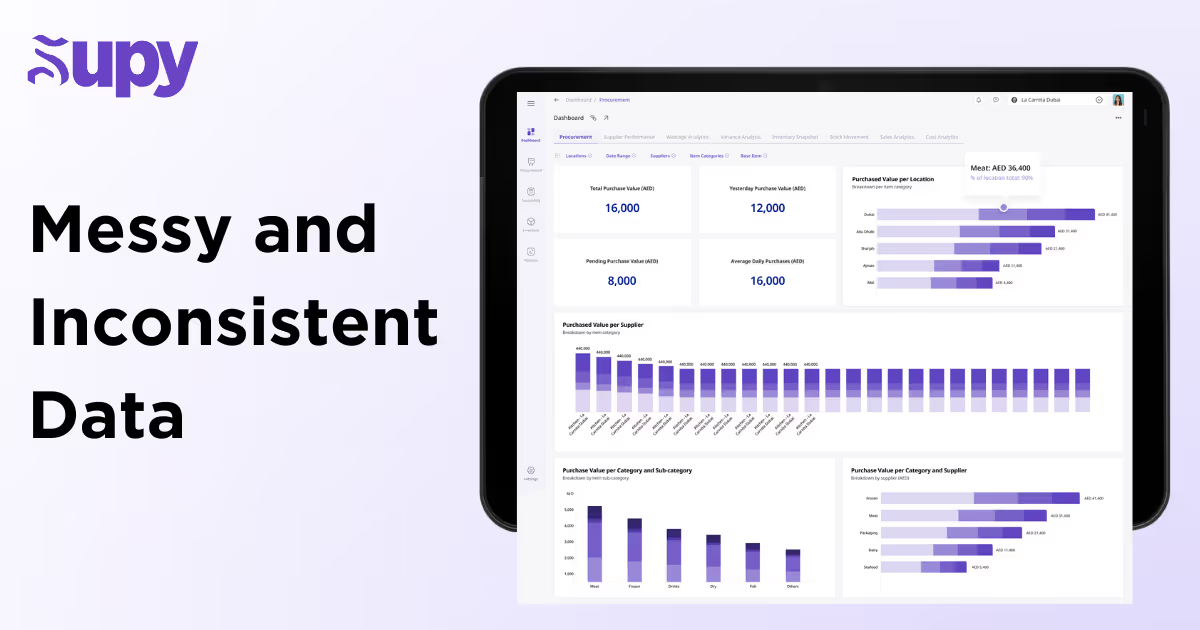
Clean restaurant data means having information that is accurate, consistent, and up-to-date. In the restaurant industry, this kind of data is essential for presenting data in a way that provides relevant information to support confident business decisions. Clean data ensures that stock counts match what’s on your shelves, sales records reflect what’s happening at your Point-of-Sale, and wastage is tracked precisely to minimize losses.
For example, you might check your inventory system and see 50 units of a key ingredient listed, but in reality, only 30 are available due to untracked wastage or errors during receiving. This mismatch could lead to overpromising orders or unnecessary restocking, negatively impacting your operations and profitability. Clean data eliminates such discrepancies, ensuring smooth and efficient management in every aspect of your business.
2. The Impact of Clean Data on Restaurant Analytics
Clean restaurant data provides the foundation for smarter, data-driven strategies. For any decision-maker, reliable information is key to managing daily operations or planning long-term growth. Having accurate data ensures you’re making decisions confidently.
Let’s explore how the right data in restaurant analytics transforms key areas of your restaurant operations:
1. Accurate Forecasting for Inventory Management
Clean inventory data provides a solid foundation for forecasting demand and managing stock levels effectively. This data comes from several key sources, such as daily stock counts, purchase orders, and receiving logs. When these data points are accurate and consistently updated, they give you a clear picture of your inventory status.
Analyzing trends within this data, like seasonal changes in ingredient usage or the impact of promotions on certain menu items, allows for smarter decisions. With tools that consolidate inventory data in real-time, you can streamline processes, reduce spoilage, and ensure you’re always prepared for customer demand.
2. Menu Engineering for Profitability
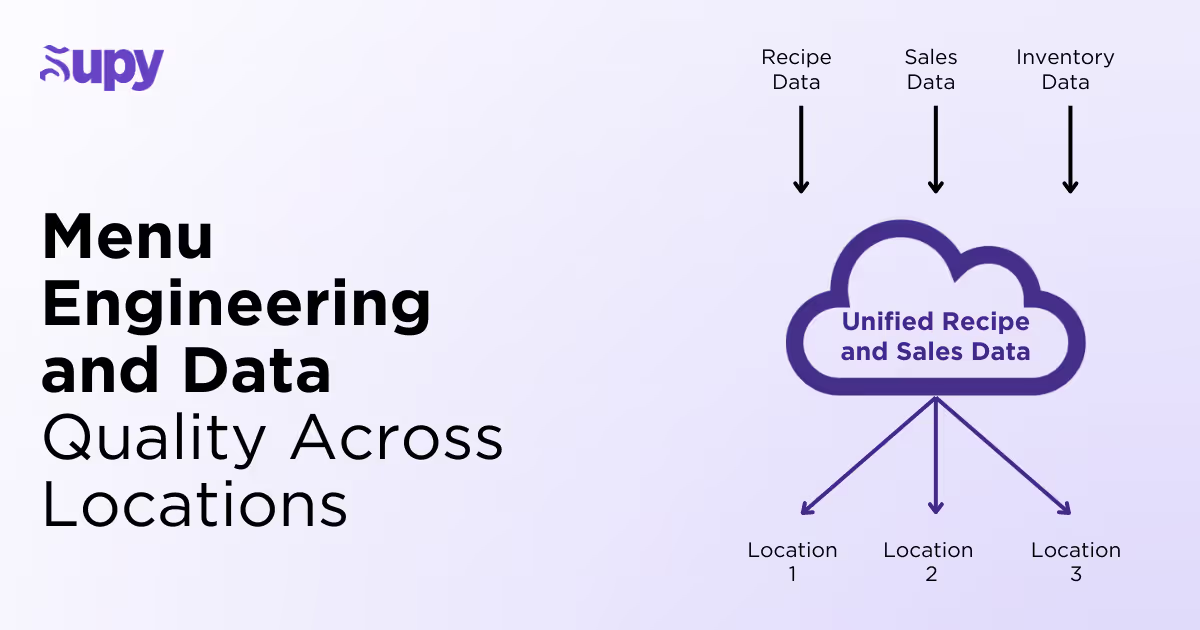
POS data is a powerful tool for shaping a menu that improves both customer satisfaction and profitability. Analyzing detailed sales reports allows you to identify opportunities to highlight top-selling dishes and address items that struggle to gain traction. This information helps you make strategic decisions, such as dynamic pricing, introducing promotions, or offering an alternative to underperforming menu items.
To ensure these insights are actionable, maintaining high-quality data is essential. Regular audits of your POS system, consistent naming conventions, and standardized data entry practices help prevent errors and provide a clear picture of menu performance. With reliable data in hand, you can refine low-performing items, experiment with new offerings, and create a menu that aligns with customer preferences while driving business goals.
3. Reducing Wastage and Controlling Costs
Wastage data is essential for identifying inefficiencies that drive up costs in restaurant operations. Tracking details like spoilage, preparation errors, and customer leftovers provides a clear picture of where waste is occurring.
For example, consistent data on unused ingredients or dishes returned by customers can reveal patterns, such as over-prepping or inaccurate portioning, that lead to unnecessary losses. This information helps pinpoint problem areas and implement solutions to reduce waste effectively.
To make wastage data actionable, it’s important to categorize and review it regularly. Breaking waste into categories, like spoilage, preparation errors, or uneaten food, makes it easier to spot trends and address them directly. Pairing these insights with staff training on portion control, proper storage, and efficient prep methods ensures that waste is minimized.
4. Gaining Insights Into Customer Preferences
Understanding customer data is essential for creating memorable guest experiences and encouraging repeat visits. Gathering information from sales and feedback data provides valuable insights into what customers love and what might need improvement.
For example, analyzing frequently ordered dishes, average spending habits, and even negative reviews can reveal trends in customer behavior. These insights help you tailor your menu, refine your offerings, or introduce new dishes that better resonate with your audience.
Loyalty programs and surveys are excellent tools for gathering information about repeat customers’ preferences. Regularly updating and maintaining sales and feedback data ensures accuracy, enabling you to make informed decisions that align with customer expectations. Reliable insights transform customer data into a powerful tool for strengthening relationships and fostering long-term loyalty.
5. Improving Labor and Staff Scheduling
Managing labor costs effectively is a top priority for any restaurant, and data plays a crucial role in optimizing staff schedules. Sales trends, foot traffic patterns, and customer activity provide insights into peak hours and slower periods. With this information, you can align staffing levels with actual demand so that you have enough employees to deliver excellent service during busy times while avoiding unnecessary costs during quieter periods.
Seasonal shifts and recurring trends in customer behavior also become more apparent when the data is clean and consistent. For example, knowing that weekends see a spike in reservations or that certain hours during weekdays are consistently slow allows you to plan schedules strategically. Reliable data helps you balance labor efficiency with service quality, keeping both your customers and your bottom line satisfied.
6. Strengthening Financial Planning and Expansion
Accurate financial data is essential for effective budgeting, profit tracking, and cost management. Metrics like cost-of-goods-sold (COGS) and labor expenses reveal inefficiencies and highlight areas for reinvestment. Regularly reviewing this data ensures your resources are focused on strategies that drive growth and profitability.
When planning expansion, data provides insights into revenue trends, customer demographics, and operational efficiency. Identifying high-performing menu items or profitable customer segments helps replicate success in new locations. With reliable data guiding decisions, you can confidently scale operations while maintaining financial stability.
3. Mitigating the Challenges in Maintaining Clean Restaurant Data
Maintaining accurate data in restaurant operations comes with its challenges, including human error, inconsistent information from multiple locations, and managing large volumes of data efficiently. Without proper systems, these issues can lead to errors in databases, making it hard to trust the information for decision-making.
However, these challenges can be tackled with the right tools and possible solutions:
Tip #1: Implement a Centralized Data Warehouse
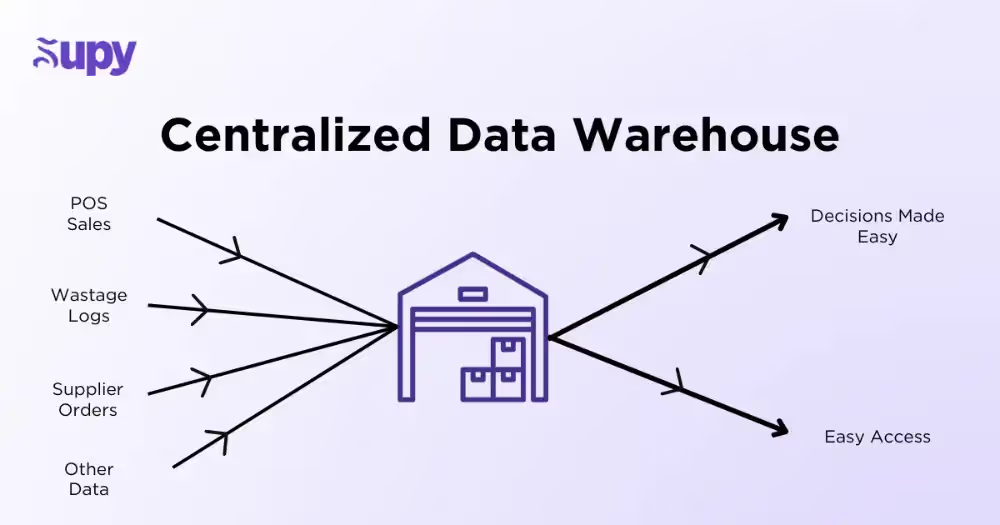
A centralized data warehouse ensures all your data, such as inventory, POS, sales, and even wastage, is stored in one place. This reduces inconsistencies caused by fragmented data from multiple sources. Tools like Supy’s inventory management system help centralize and organize data seamlessly, allowing you to evaluate trends and make decisions with confidence. A well-structured database eliminates duplicate records and ensures easy access to actionable insights.
Tip #2: Establish a Clear Decision-Making Model
A step-by-step decision-making model creates a structured approach to using your data effectively. Incorporate regular reviews and audits into your workflow to identify errors and inconsistencies early. Frameworks like the seven steps of effective decision-making can help you evaluate data, prioritize actions, and track outcomes. Scheduling monthly evaluations ensures your data stays relevant and supports your operational goals while keeping the decision-making process streamlined.
Tip #3: Train Staff to Minimize Human Error
Human error often stems from improper data entry practices, such as incorrect POS entries or inconsistent inventory updates. Training colleagues on standardized data entry protocols and the importance of accuracy ensures a smoother operation.
For example, encourage your team to double-check entries and use standardized naming conventions across systems. Providing them with clear guidelines can further minimize errors and improve overall data reliability.
Tip #4: Use Tools Designed for Multiple Locations
Managing data across multiple restaurant locations requires scalable tools that integrate seamlessly to centralize information, ensure consistency, and maintain accuracy. Real-time tracking of inventory, sales, and operational metrics allows businesses to identify trends and improve efficiency across all branches. Supy simplifies this process by integrating with most POS and finance systems across multiple locations, providing centralized data management and actionable insights to support your operations as your business grows.
Tip #5: Automate Data Validation Processes
Automation helps reduce manual errors and improve data accuracy. Tools with validation rules can flag discrepancies in real time, making it easier to maintain a reliable database. Automated systems can cross-check stock counts, sales, and receiving logs to highlight mismatches instantly. These processes save time, lighten the workload for the operations team, and support effective decision-making by keeping data consistent and reliable. Automation streamlines workflows and improves operational efficiency.
4. Using Restaurant Analytics for Competitive Advantage
Clean and actionable restaurant analytics can give your business a significant edge in a competitive market. Here's how:
- Personalized Marketing Campaigns: Use customer data to create targeted promotions and loyalty programs that cater to specific preferences, increasing repeat visits and building stronger brand loyalty.
- Competitor Benchmarking: Compare your sales trends and operational performance with industry benchmarks or those of different companies in the industry to identify areas for improvement and stay ahead of competitors.
- Dynamic Pricing Strategies: Leverage analytics to adjust pricing dynamically based on factors like demand, time of day, or seasonal trends, maximizing profitability.
- Menu Innovation: Track emerging food trends and customer demands using market data to introduce new dishes that attract attention and differentiate your offerings.
- Operational Scalability: Analyze performance across multiple locations to identify replicable success factors, ensuring your brand maintains consistency as it grows.
5. Conclusion
Clean and accurate restaurant data makes all the difference when it comes to running a successful operation. It helps you stay on top of inventory, create menus that work, manage staff efficiently, and make smarter financial decisions. Simple tools like centralized data systems and automated validation can go a long way in reducing errors and spotting opportunities. With the right data backing your decisions, your restaurant is better positioned to grow, adapt, and stay ahead in a competitive industry.
6. About Supy
Managing clean and reliable data doesn’t have to be a challenge. Supy simplifies restaurant operations with its powerful inventory management and analytics tools, designed to keep your data accurate, consistent, and actionable. From tracking stock across multiple locations to generating real-time insights for smarter decision-making, Supy provides the tools you need to run your restaurant efficiently and confidently.
Take the next step toward smarter restaurant management and book a demo with Supy today!
Related Resources
Take your hospitality business
to the next level