.jpeg)

Unverzichtbare Restauranttechnologie 2025: Bleiben Sie der Konkurrenz einen Schritt voraus
Es ist bereits Mitte 2025, und wie die meisten Restaurantinhaber haben Sie es selbst erlebt. Die Unternehmen, die in intelligentere technologische Lösungen investieren, liegen vorne: mit schnellerem Service, niedrigeren Kosten und stärkeren Teams. An veralteten Systemen festzuhalten wird derweil immer schwieriger, da die Erwartungen der Gäste und die Anforderungen der Gastronomiebranche weiter steigen.
Wenn Sie überlegen, welche Veränderungen Sie in diesem Jahr vornehmen wollen, ist das Mithalten mit den neuesten Technologietrends im Restaurantbereich einer der klügsten Schritte, den Sie unternehmen können. Die richtigen Tools helfen Ihnen nicht nur dabei, Ihr Unternehmen heute effizienter zu führen, sondern tragen auch dazu bei, Stammkunden zu gewinnen und Ihren Betrieb auf die Herausforderungen und Chancen der Zukunft vorzubereiten.
In diesem Artikel zeigen wir Ihnen, welche Restauranttechnologien 2025 und darüber hinaus unverzichtbar sind:
- Intelligentere Warenwirtschaft auf Basis von Echtzeitdaten
- KI-gesteuerte Systeme in der Küche
- Integrierte POS-Systeme für das gesamte Restaurant-Ökosystem
- Direkte Online-Bestellplattformen verändern das Kundenerlebnis
- Intelligente Dienstplanung und Personalmanagement für einen schlanken Betrieb
- Fazit
- Über Supy
1. Intelligentere Warenwirtschaft auf Basis von Echtzeitdaten
Mehr als die Hälfte der Restaurants nutzt bereits Warenwirtschaftssoftware, um Bestände und Vorräte besser im Blick zu behalten. Wahrscheinlich tun Sie das auch. Doch die Realität ist: Einfaches Tracking reicht heute nicht mehr aus, um wettbewerbsfähig zu bleiben.
Die heutigen Warenwirtschaftstools sind erheblich intelligenter und leisten weit mehr als nur das Auflisten des Kühlhausinhalts. Die besten Warenwirtschaftssysteme prognostizieren Verbrauchstrends, empfehlen intelligentere Bestellmengen, verfolgen Schwund automatisch und warnen Sie sogar, wenn Lieferantenpreise still und leise steigen. So verwalten Sie Ihren Warenbestand mit mehr Kontrolle und weniger Mutmaßungen.
Das bietet die neueste Generation von Warenwirtschaftstools:
- Vorausschauende Bestellung: Statt nur auf niedrige Bestände hinzuweisen, prognostizieren intelligentere Systeme Ihren Bedarf auf Basis von Umsatzhistorie, Saisonalität und bevorstehenden Buchungen. So bleiben Sie immer einen Schritt voraus, ohne zu viel zu bestellen.
- Echtzeit-Schwunderfassung: Moderne Tools ermöglichen es Ihnen, Schwund sofort beim Auftreten zu erfassen, Muster zu erkennen und frühzeitig gegenzusteuern. Einige unbemerkte Verderbnisfälle pro Woche können sich jährlich zu erheblichen Verlusten summieren. Intelligente Technologie hilft Ihnen, diese zu erkennen, bevor sie eskalieren.
- Einblicke in die Lieferantenperformance: Die automatisierte Erfassung von Lieferantenlieferungen, Preisänderungen und Abweichungen stärkt Ihre Fähigkeit, die Lieferkette effektiv zu verwalten und bessere Konditionen auszuhandeln.
- Kosten- und Rentabilitätstransparenz auf Rezeptebene: Die besten Plattformen verknüpfen Bestandsdaten direkt mit Ihrer Speisekarte und helfen Ihnen, steigende Zutatenkosten zu erkennen, die still und leise Ihre Margen aufzehren. So können Sie rechtzeitig gegensteuern, bevor die Rentabilität leidet.
- Mobile-First-Betrieb: Inventuren, Bestandsprüfungen und Bestellungen können jetzt in einem Bruchteil der Zeit, die früher mit Tabellenkalkulationen oder Papierprotokollen nötig war, auf einem Mobilgerät durchgeführt werden.
Mit einer intelligenteren Warenwirtschaft bauen Sie einen stärkeren Betrieb auf. Sie reduzieren Lebensmittelabfälle, kontrollieren Einkäufe effizienter und schützen Ihre Gewinnmargen in einem Umfeld, in dem jeder Euro zählt.
Viele Restaurants erzielen im ersten Jahr nach der Einführung moderner Warenwirtschaftssoftware einen ROI von 150 % oder mehr. Plattformen wie Supy helfen Betreibern dabei, die Beschaffung zu optimieren, den Warenbestand proaktiver zu verwalten und Routineaufgaben in einen echten Wachstumshebel für ihr Unternehmen zu verwandeln.
2. KI-gesteuerte Systeme in der Küche
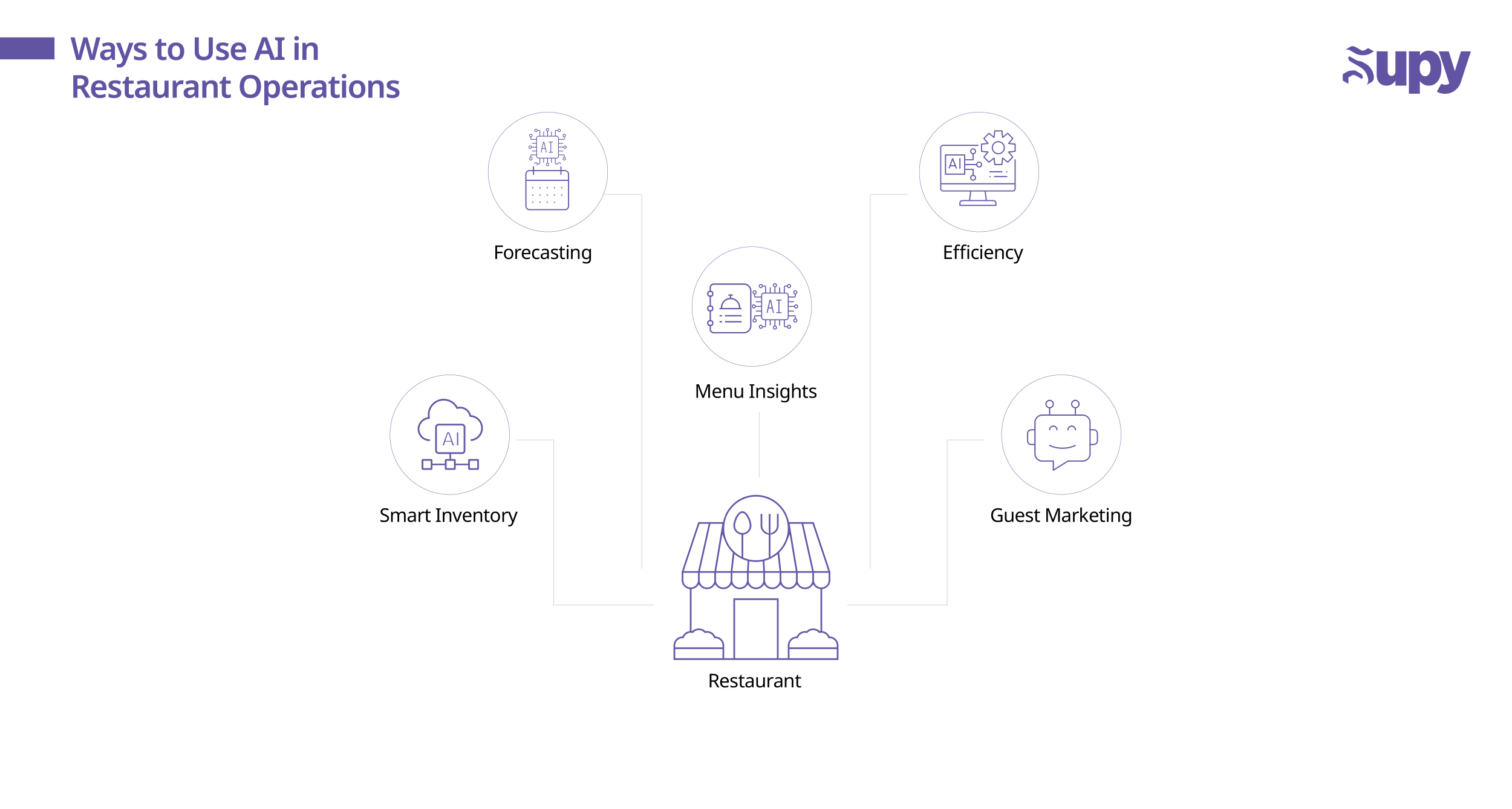
2025 hat in vielen Branchen eine Welle KI-getriebener Innovationen ausgelöst, und die Gastronomie bildet keine Ausnahme. Allein im vergangenen Jahr ist KI vom Nice-to-have zu einem aktiven Bestandteil geworden, mit dem Restaurantbetreiber ihre Abläufe steuern, Gäste bewirten und Kosten kontrollieren.
Der KI-Markt für die Lebensmittel- und Getränkebranche allein soll auf mehr als 56 Milliarden Dollar bis 2029 anwachsen und dabei jährlich um fast 43 % expandieren. Kurz gesagt: Die KI-gestützten Tools für Restaurants werden immer intelligenter, schneller und einfacher zu bedienen.
So helfen KI-gesteuerte Automatisierung und Controlling Restaurants heute, effizienter zu arbeiten:
- Intelligentere Umsatzprognosen: KI analysiert Ihre vergangenen Umsätze, Saisonalität, Wettermuster und lokale Ereignisse, um vorherzusagen, wie stark frequentiert Sie sein werden. So können Sie Personal, Warenbestand und Vorbereitung präziser planen, ohne Ihr Team zu überfordern oder Lebensmittel zu verschwenden.
- Automatisierung von Bestand und Bestellung: KI-gestützte Analysen verfolgen Zutatenbestände in Echtzeit und können auf Basis des prognostizierten Verbrauchs automatisch Bestellungen generieren. Das spart Zeit und reduziert das Risiko von Lieferengpässen oder Überbestellungen.
- Einblicke in die Menüperformance: Fortschrittliche Systeme analysieren Kundenpräferenzen und zeigen, welche Gerichte den meisten Gewinn einbringen, welche Margen schrumpfen und wo kleine Anpassungen den Umsatz verbessern können, ohne das Menü grundlegend zu überarbeiten.
- Personalisiertes Marketing: KI hilft dabei, Aktionen und Treueangebote auf das Gästeverhalten zuzuschneiden. So lassen sich Wiederholungsbesuche fördern, die Kundenzufriedenheit steigern und die Abhängigkeit von generischen Rabatten reduzieren.
- Betriebliche Effizienz: Anstatt in Tabellenkalkulationen und Berichten zu wühlen, liefern KI-gestützte Tools wertvolle Datenerkenntnisse, etwa welche Schichten am rentabelsten sind oder welche Standorte Anpassungen bei der Personalplanung benötigen. So treffen Sie schnellere, klügere Entscheidungen.
Das Beste daran: KI ist nicht mehr nur großen Ketten vorbehalten. Immer mehr unabhängige Restaurants und kleine Gruppen nutzen integrierte KI-Funktionen in ihren POS-, Warenwirtschafts- und Marketingsystemen, um schlankere, rentablere Betriebe zu führen.
3. Integrierte POS-Systeme für das gesamte Restaurant-Ökosystem
Das POS-System ist das Herzstück jedes Restaurantbetriebs. Hier werden Bestellungen aufgegeben, Zahlungen abgewickelt und der Service am Laufen gehalten. Wenn Ihr POS-System langsam ist oder nicht mit allem anderen, was Sie nutzen, verbunden ist, verlangsamt das nicht nur Ihren Tresen. Es verursacht überall Probleme, einschließlich in der Küche und beim Cashflow.
Deshalb rüsten immer mehr Restaurants auf fortschrittliche POS-Systeme um, die jeden Teil des Service miteinander verbinden. Heute haben 52 % der Unternehmensrestaurants bereits auf cloudbasierte POS-Plattformen umgestellt, und immer mehr unabhängige Restaurants folgen diesem Beispiel. Sie wählen Lösungen, die schneller, zuverlässiger und darauf ausgelegt sind, sowohl den Inhouse- als auch den Online-Service nahtlos abzuwickeln.
So kann ein besseres POS-System einen echten Unterschied machen:
- Echtzeit-Warenbestandsverfolgung: Jedes Mal, wenn Sie einen Verkauf erfassen, wird Ihr Warenbestand automatisch aktualisiert. Mit integrierten Zahlungsmöglichkeiten und engeren Kontrollen müssen Sie nicht mehr raten, was auf Lager ist, oder am Ende des Abends Fehler korrigieren.
- Schnellere Bestellung und Zahlung: Servicekräfte können Bestellungen aufnehmen und Zahlungen direkt am Tisch über Mobilgeräte oder Self-Service-Kioske abwickeln. Das verkürzt Wartezeiten und hilft dabei, Tische schneller umzuschlagen, ohne dass sich die Gäste gehetzt fühlen.
- Ein System für alle Bestellungen: Ob die Bestellung aus dem Gastraum, von Ihrer Website oder über Online-Bestellplattformen kommt, sie fließt in dasselbe System ein. Kein ständiges Wechseln zwischen Tablets oder doppeltes Eingeben von Bestellungen mehr.
- Kundenverfolgung leicht gemacht: Ein modernes POS-System erfasst Kundenpräferenzen automatisch und hilft Ihnen, Erlebnisse und Treueprogramme ohne zusätzlichen Verwaltungsaufwand individuell zu gestalten.
- Klarere, schnellere Berichte: Umsatz-, Personal- und Bestandszahlen werden aus demselben System gezogen, egal ob sie aus dem Restaurantbetrieb, digitalen Speisekarten oder Lieferungen stammen. So erhalten Sie eine vollständige Übersicht über Ihren Betrieb.
Wenn Ihr POS mit dem Rest Ihrer Tools kommuniziert, zum Beispiel mit Ihrer Warenwirtschaft, Ihrer Personalplanung und Ihren Online-Bestellungen, passt alles besser zusammen. Sie müssen keine Systeme mehr zusammenflicken oder Problemen hinterherlaufen, nachdem sie aufgetreten sind.
4. Direkte Online-Bestellplattformen verändern das Kundenerlebnis
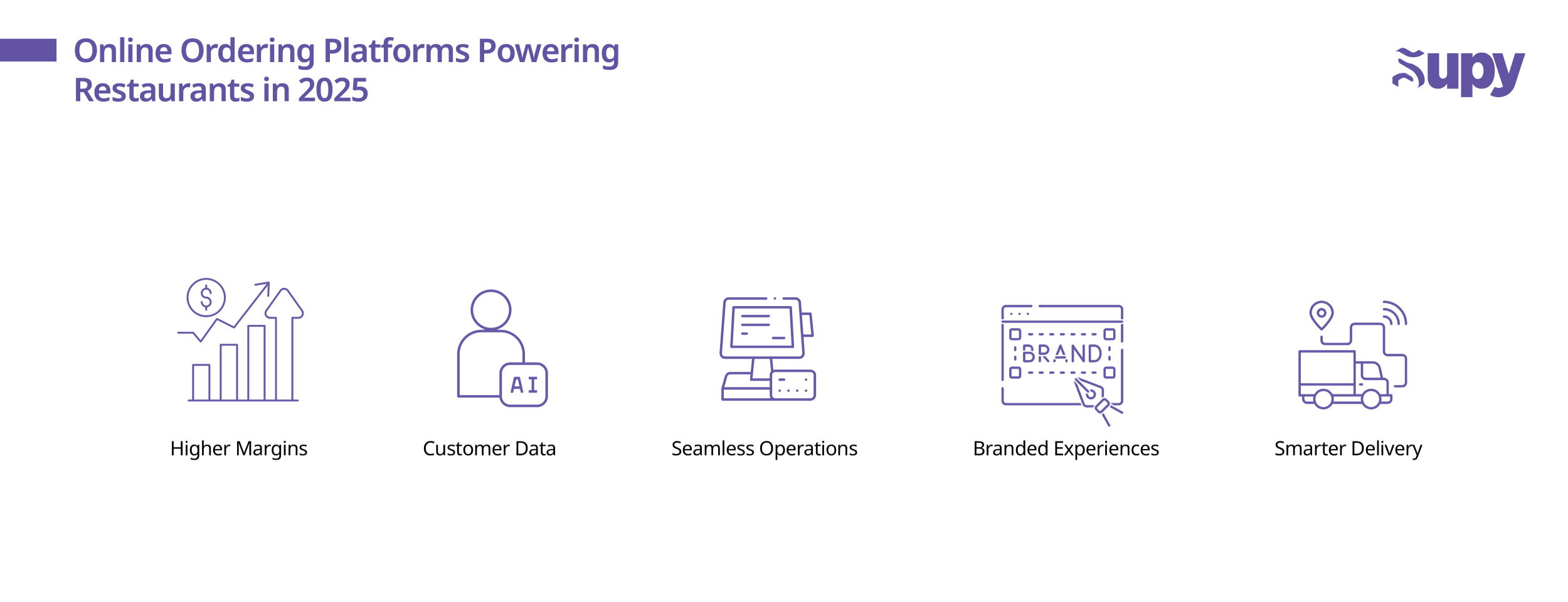
Seit der Pandemie ist die Online-Bestellung zu einem wesentlichen Umsatztreiber im Restaurantgeschäft geworden. Was als Überlebensstrategie begann, ist heute zu einem zentralen Bestandteil der Interaktion von Gästen mit Marken geworden. Restaurants, die eigene Online-Bestellplattformen aufgebaut haben, erzielen rund 30 % höhere Außer-Haus-Umsätze im Vergleich zu denen, die noch ausschließlich auf den Restaurantbetrieb oder Drittanbieter-Apps setzen.
Deshalb ist Online-Bestellung 2025 wichtiger denn je:
- Höhere Margen: Bestellungen über Ihre eigene Website helfen Ihnen, hohe Drittanbietergebühren zu vermeiden, die 20-30 % pro Verkauf ausmachen können. Mehr vom Umsatz verbleibt bei Ihnen, und Sie behalten die volle Kontrolle über den gesamten Bestellprozess.
- Bessere Kundendaten: Wenn Gäste direkt bestellen, sammeln Sie wertvolle Informationen wie E-Mail-Adressen, Bestellhistorie und Präferenzen. In Kombination mit digitalen Speisekarten, die sich einfach aktualisieren und personalisieren lassen, macht es das einfacher, Kundenbindungsprogramme aufzubauen und gezielte Aktionen zu versenden.
- Reibungsloserer Betrieb: Integrierte Online-Bestellungen senden Bons direkt in die Küche und aktualisieren Ihr POS automatisch. Viele Systeme unterstützen jetzt auch Self-Service-Technologie für Restaurant- und Abholbestellungen, was den Personalaufwand reduziert und den Service beschleunigt.
- Verbessertes Markenerlebnis: Ihre Bestellplattform ermöglicht es Ihnen, das Kundenerlebnis zu kontrollieren, zum Beispiel mit interaktiven Speisekarten, Upsell-Hinweisen, individuellem Branding und Echtzeit-Bestellverfolgung. Sprachgesteuertes Bestellen beginnt sich sogar durchzusetzen und bietet technikaffinen Gästen mehr Komfort.
- Flexibilität bei Lieferoptionen: Moderne Systeme ermöglichen es Ihnen, sowohl eigene als auch Drittanbieter-Lieferdienste anzubieten und so mehr Kontrolle über Gebühren, Servicequalität und Kundenbindung zu erhalten.
Die meisten Gäste erwarten heute, dass Online-Bestellungen einfach, schnell und konsistent sind. Wenn Ihre Website keine benutzerfreundliche Oberfläche zum Aufgeben einer Bestellung bietet oder Gäste auf Drittanbieter-Apps verweist, riskieren Sie Umsatzverluste und schwächen langfristig Ihre Marke.
5. Intelligente Dienstplanung und Personalmanagement für einen schlanken Betrieb
Das Personalmanagement war schon immer einer der schwierigsten Aspekte des Restaurantbetriebs. Von kurzfristigen Ausfällen bis hin zu unvorhergesehenen Überstundenkosten: Selbst kleine Planungsprobleme können sich schnell in große Ausgaben verwandeln.
Es überrascht nicht, dass die Nachfrage nach intelligenten Restaurantmanagement-Tools wächst. Allein der Markt für Restaurantmanagementsoftware soll bis 2030 in starkem Tempo wachsen, da immer mehr Betreiber nach intelligenteren Möglichkeiten suchen, um die Personalplanung ohne ständige manuelle Eingriffe zu bewältigen.
So helfen moderne Personalmanagement-Tools Restaurants, die Nase vorn zu behalten:
- Intelligentere Schichtplanung: Plattformen schlagen nun optimale Personalstärken auf Basis von Umsatzprognosen, historischen Trends und erwarteten Stoßzeiten vor. Das hilft Ihnen, Unterbesetzung in Stoßzeiten zu vermeiden und Personalkosten zu senken, ohne die Servicequalität zu beeinträchtigen.
- Mobiler Zugriff für Mitarbeiter: Mobile Apps ermöglichen es Mitarbeitern, ihre Dienstpläne einzusehen, Schichten zu tauschen und Urlaub von überall aus zu beantragen. Das reduziert Fehlzeiten und Verwirrung in letzter Minute.
- Compliance leicht gemacht: Viele Systeme verfolgen Arbeitsgesetze automatisch, zum Beispiel Pflichtpausen, Split-Shift-Regeln und Überstunden. So werden Sie nicht bei einer Prüfung unvorbereitet erwischt.
- Bessere Mitarbeiterbindung: Klarere Dienstpläne, einfachere Kommunikation und weniger Überraschungen bei der Gehaltsabrechnung führen zu zufriedeneren Teams. In einer Branche mit hoher Fluktuation können kleine Verbesserungen hier eine große Wirkung haben.
- Datengestützte Entscheidungen: Mit Echtzeit-Personal- und Umsatzdaten können Manager die Personalplanung schneller anpassen, Muster erkennen und klügere Planungsentscheidungen treffen, ohne sich allein auf ihr Bauchgefühl zu verlassen.
Wenn Sie Dienstpläne noch mit Tabellenkalkulationen, Gruppen-Chats oder altmodischen Ausdrucken verwalten, ist jetzt der richtige Zeitpunkt für ein Upgrade. Moderne Tools helfen, Ihre Margen zu schützen, die Teammoral zu verbessern, und nehmen Ihnen in arbeitsreichen Wochen eine Sorge ab.
6. Fazit
Die Gastronomiebranche bewegt sich 2025 schneller denn je, und Technologie steht genau im Mittelpunkt. Intelligentere Warenwirtschaftssysteme, KI-gestützte Tools, vernetzte POS-Plattformen, direkte Online-Bestellungen und ein besseres Personalmanagement helfen Betreibern bereits dabei, schlankere und rentablere Betriebe zu führen. Wenn Sie die Restauranttechnologie-Trends 2025 betrachten, wird klar, dass Innovationen wie vorausschauende Gästeanalysen, Küchenrobotik und sprachgesteuertes Bestellen Form annehmen. Die technologischen Entscheidungen, die Sie heute treffen, können morgen größere Chancen eröffnen und helfen Ihnen, den Erwartungen der Kunden immer einen Schritt voraus zu sein und in einem sich wandelnden Markt einen stärkeren Betrieb aufzubauen.
Für einen tieferen Einblick empfehlen wir unseren Tech-Stack-Leitfaden von William Connors, Head of IT (ehemals Wingstop, Wahaca, Popeye's, Burger King und Chotto Matte).
7. Über Supy
Supy ist eine moderne Warenwirtschafts- und Beschaffungsplattform, die speziell für die Gastronomiebranche entwickelt wurde. Sie hilft Restaurants dabei, Bestände zu verwalten, Kosten zu verfolgen, Lieferantenbestellungen zu optimieren und Echtzeit-Erkenntnisse zu gewinnen, um rentablere Betriebe zu führen. Mit mobilem Zugriff, intelligentem Reporting und einfachen Integrationen mit POS- und Buchhaltungssystemen macht Supy es Teams leicht, ihren Bestand und ihre Einkäufe im Griff zu behalten, ohne den üblichen Back-of-House-Aufwand.
Möchten Sie Ihre Back-of-House-Abläufe in den Griff bekommen? Demo buchen mit Supy und erfahren Sie, wie datengestützte Warenwirtschaft Ihren ROI verbessern kann.