.jpeg)

Die Auswirkungen von Lebensmittelverschwendung auf den Wareneinsatz von Restaurants und wie man sie reduziert
Lebensmittelverschwendung ist ein stiller Profitvernichter in der Restaurantbranche. Laut der National Restaurant Association können verschwendete Lebensmittel 4 % bis 10 % der Lebensmitteleinkäufe ausmachen, was sich jährlich auf Tausende von verlorenen Dollar summiert. Diese Kosten häufen sich schnell an und machen das Abfallmanagement zu einem entscheidenden Faktor bei der Kostenkontrolle.
Die Umsetzung besserer Abfallmanagementstrategien senkt die Betriebskosten und fördert gleichzeitig die Nachhaltigkeit. Effizientes Bestandstracking, Portionskontrolle und Echtzeit-Überwachung helfen Restaurants, Kosten zu senken und ihren ökologischen Fußabdruck zu minimieren. Jede Maßnahme zur Reduzierung von Lebensmittelabfällen im Restaurant stärkt sowohl die Rentabilität als auch die langfristige Verantwortung.
Lassen Sie uns einige Praktiken zur Reduzierung von Lebensmittelabfällen erkunden, die Restaurants helfen können, Geld zu sparen und nachhaltiger zu arbeiten.
- Umfassendes Lebensmittelabfall-Audit durchführen
- Best Practices der Warenwirtschaft implementieren
- Menüdesign und Portionsgrößen optimieren
- Mitarbeiter für Abfallreduzierungsbemühungen schulen und einbinden
- Technologie zur Abfallüberwachung nutzen
- Mit Lebensmittelrettungs- und Kompostierungsprogrammen zusammenarbeiten
- Abfallreduzierung in Gewinn umwandeln
1. Umfassendes Lebensmittelabfall-Audit durchführen
Lebensmittelabfälle häufen sich in Restaurants schnell an und schmälern die Gewinne sowie verursachen unnötige Kosten. Ein Abfall-Audit hilft dabei, zu ermitteln, wo Verluste auftreten – sei es, dass Zutaten vor der Verwendung verderben, übermäßige Vorbereitung, die nie den Tisch erreicht, oder Portionen, die Kunden nicht aufessen können. Die Identifizierung dieser Muster ist der erste Schritt zur Minimierung von Lebensmittelabfällen und Verbesserung der Effizienz.
Ein Lebensmittelabfall-Audit verfolgt und kategorisiert verworfene Lebensmittel, um zu bestimmen, wo Verschwendung auftritt, warum sie geschieht und wie man sie verhindert. Dies ermöglicht es Restaurants, gezielte Maßnahmen zu ergreifen, Verluste zu minimieren und den Küchenbetrieb zu verbessern.
Hier sind einige wichtige Bereiche, auf die Sie sich konzentrieren müssen:
Vor-Verbraucher-Abfall (Back-of-House-Abfall)
Vor-Verbraucher-Abfall entsteht bevor die Speisen den Kunden erreichen, oft aufgrund von Fehlmanagement bei Lagerung, Zubereitung oder Handhabung. Die Behebung dieser Ineffizienzen reduziert unnötige Verluste und hält den Bestand unter Kontrolle.
- Verderb – Zutaten verfallen aufgrund von Überbestellungen, unsachgemäßen Lagerbedingungen oder schlechter Lagerrotation. Die Implementierung von FIFO (First-In, First-Out) Lagerpraktiken stellt sicher, dass ältere Bestände zuerst verwendet werden. Ordnungsgemäße Lagerrotation hilft, zu verhindern, dass restliche Zutaten verschwendet werden.
- Überproduktion – Zu viel Essen vorzubereiten führt zu unnötigen Abfällen, wenn ungenutzte Portionen nicht weiterverwendet werden können. Die Anpassung der Chargengrößen basierend auf der Bestellhistorie verhindert übermäßige Vorbereitung.
- Schnittabfälle & Abgelaufene Bestände – Verwendbare Lebensmittelreste wie Gemüsestiele oder Fleischabschnitte werden oft entsorgt, anstatt sie in Brühen, Saucen oder Beilagen weiterzuverwenden. Die Schulung von Mitarbeitern zur maximalen Nutzung von Zutaten hilft, dieses Problem zu reduzieren.
Nach-Verbraucher-Abfall (Abfall im Gastraum)
Nach-Verbraucher-Abfall entsteht nachdem die Speisen serviert wurden, oft aufgrund von zu großen Portionen, Unzufriedenheit der Kunden oder falschen Bestellungen. Die Verfeinerung der Portionsgrößen und die Verbesserung der Servicegenauigkeit können diese Art von Abfall erheblich reduzieren.
- Tellerabfall – Kunden lassen Essen übrig, wenn Portionen zu groß sind oder Mahlzeiten die Erwartungen nicht erfüllen. Die Analyse von Verbrauchstrends hilft, die Serviergrößen anzupassen, ohne die Zufriedenheit zu beeinträchtigen.
- Bestellfehler – Fehler bei der Auftragsabwicklung führen dazu, dass Essen zurückgeschickt und entsorgt wird. Mitarbeiterschulung und digitale Bestellverfolgungssysteme werden unerlässlich, um Fehler zu reduzieren und unnötige Abfälle zu verhindern.
Ein Abfallverfolgungssystem schafft Transparenz darüber, wo und warum Lebensmittel entsorgt werden. Konsequente Abfallprotokollierung hilft Restaurants, wiederkehrende Ineffizienzen zu erkennen und datengestützte Anpassungen vorzunehmen.
Saubere Daten verfolgen Abfalltrends über Zeit und zeigen Muster bei Verderb, Überproduktion und Tellerabfall auf. Mit besseren Erkenntnissen können Unternehmen die Warenwirtschaft, Portionskontrolle und Lebensmittelzubereitungsstrategien verfeinern, um Lebensmittelabfälle zu minimieren und die Kosteneffizienz zu verbessern.
2. Best Practices der Warenwirtschaft implementieren
Eine strikte Kontrolle über den Bestand zu behalten ist einer der effektivsten Wege, Lebensmittelabfälle zu reduzieren und Kosten zu senken. Schlechtes Tracking führt zu Überbestellungen, Verderb und unnötigem Abfall. Ein gut organisiertes Warenwirtschaftssystem stellt sicher, dass eingekaufte Lebensmittel effizient genutzt werden und verhindert, dass überschüssige Bestände verderben, bevor sie benötigt werden.
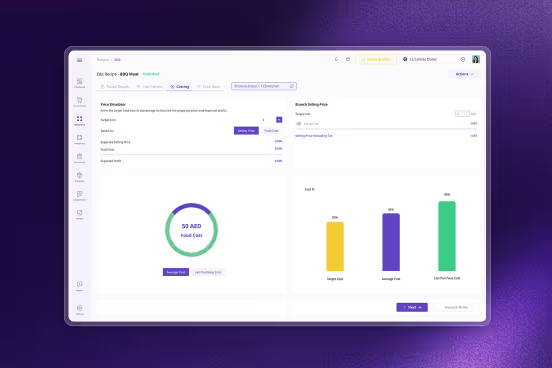
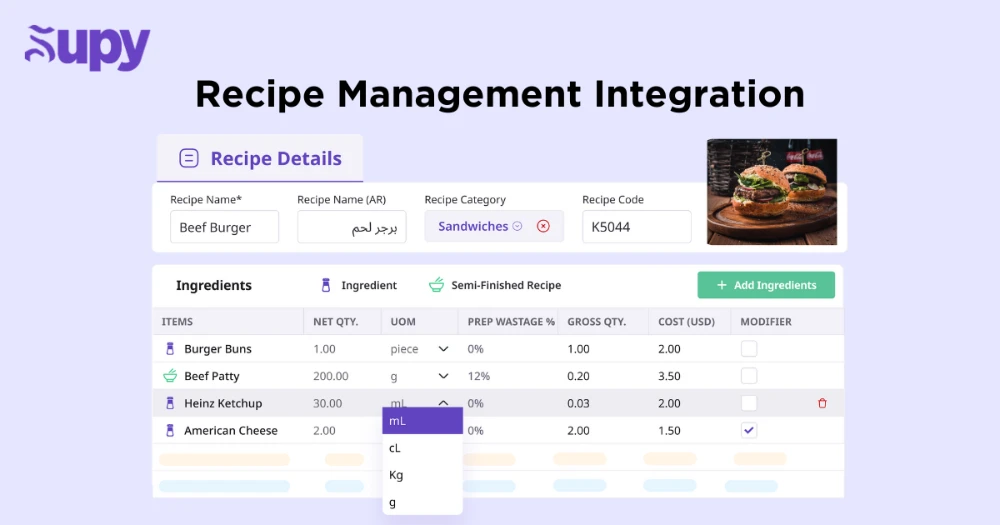
Wenn das Bestandstracking richtig gemacht wird, hilft es auch dabei, die Zusammenhänge zwischen Lebensmittelabfällen und Einkaufsgewohnheiten herzustellen. Der Vergleich von Abfalldaten mit Bestandsaufzeichnungen aus einem POS-System oder Restaurant-Back-Office-Software zeigt Muster bei verschwenderischen Ausgaben, Überproduktion oder Lagerineffizienzen auf.
Infographic
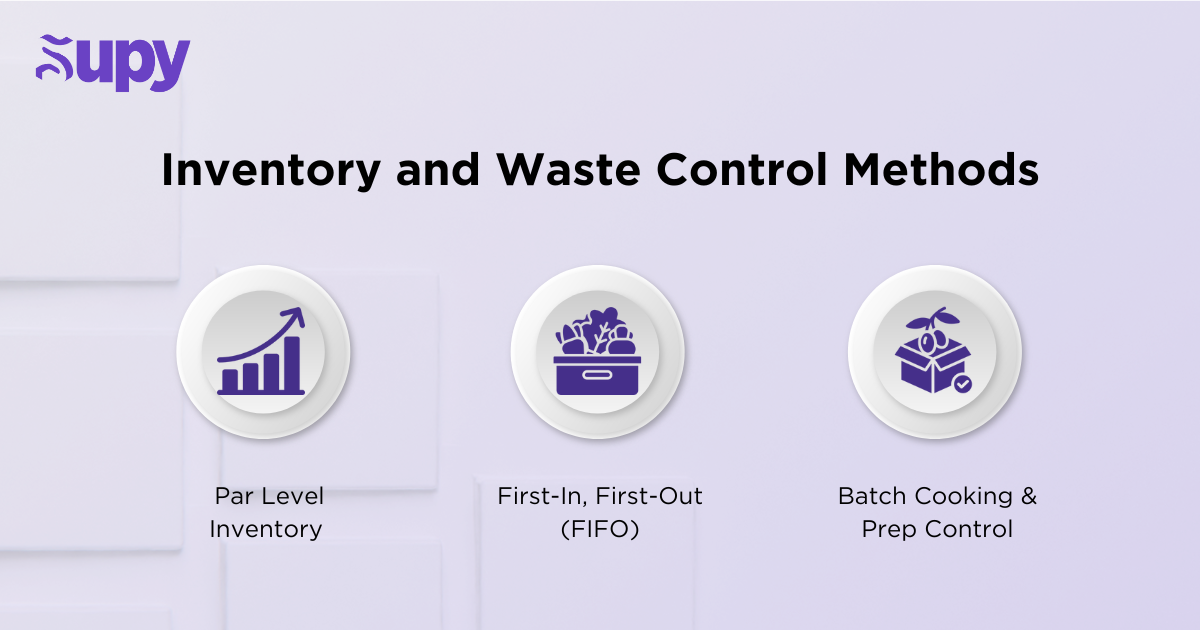
Hier sind einige Bestandskontrollmethoden, auf die Sie sich konzentrieren sollten:
- First-In, First-Out (FIFO) – Stellt sicher, dass ältere Bestände vor neueren Beständen verwendet werden, was Verderb reduziert und die Lebensmittelfrische erhält. Diese Methode ermöglicht es Restaurants, Lebensmittel ordnungsgemäß zu lagern, unnötige Abfälle zu verhindern und die Einhaltung von Lebensmittelsicherheitsstandards zu gewährleisten.
- Par-Level-Bestandssystem Legt Mindest- und Höchstlagermengen basierend auf historischen Daten fest, um Überbestände zu verhindern. Die Aufrechterhaltung optimaler Lagermengen reduziert Verderb und stellt gleichzeitig sicher, dass genügend verzehrfähige Lebensmittel verfügbar sind, um die Kundennachfrage zu decken.
- Chargenkochung & Vorbereitungskontrolle hilft dabei, Zutaten in abgemessenen Mengen vorzubereiten, um übermäßige Abfälle zu vermeiden und die Vorbereitung basierend auf Verkaufstrends anzupassen.
3. Menüdesign und Portionsgrößen optimieren
Verkaufsdaten zeigen, welche Menüpunkte unnötige Abfälle erzeugen oder sich nicht gut verkaufen. Gerichte, die nicht gut abschneiden, führen oft dazu, dass ungenutzte Zutaten im Lager liegen, was Verderb und Kosten erhöht. Das Entfernen oder Modifizieren dieser Artikel hilft, Abfall zu reduzieren und den Küchenbetrieb zu vereinfachen.
Aktuelle Umfragen zeigen, dass über 75 % der Gäste kleinere Portionen bevorzugen, was Portionskontrolle zu einer klugen Strategie sowohl für die Abfallreduzierung als auch für die Kundenzufriedenheit macht. Portionsgrößen sollten dem entsprechen, was Kunden wünschen. Zu große Mahlzeiten führen oft zu Tellerabfällen, da Gäste Schwierigkeiten haben, ihr Essen aufzuessen. Das Anbieten flexibler Portionen, wie halbe Portionen oder anpassbare Beilagen, verhindert, dass Essen übrig bleibt, und gibt Kunden mehr Auswahlmöglichkeiten. Kleinere Portionen reduzieren nicht nur Abfall, sondern senken auch die Lebensmittelkosten und verbessern das gesamte Speiseerlebnis.
Ein gut geplantes und nachhaltiges Menü hält den Betrieb effizient und erfüllt gleichzeitig die Kundenerwartungen. Die Vereinfachung der Auswahl und die Anpassung der Portionsgrößen basierend auf Verkaufsdaten helfen, Abfall zu reduzieren, Kosten zu senken und die Nachhaltigkeit zu verbessern. Jedes Gericht sollte sowohl für das Restaurant als auch für das Kundenerlebnis einen Mehrwert bieten.
4. Mitarbeiter für Abfallreduzierungsbemühungen schulen und einbinden
Die Reduzierung von Lebensmittelabfällen beginnt mit gut geschultem Personal. Mitarbeiter handhaben Lebensmittel in jeder Phase – von der Lagerung bis zur Zubereitung –, sodass sie mit den richtigen Fähigkeiten auszustatten kostspielige Fehler verhindert. Die Schulung sollte den richtigen Umgang mit Lebensmitteln, Portioniertechniken und die effiziente Nutzung von Zutaten umfassen, um Abfall zu minimieren und die Kücheneffizienz zu verbessern.
- Lebensmittelhandhabung & Lagerung: Das Vermitteln ordnungsgemäßer Lagertechniken an Mitarbeiter hilft, die Haltbarkeit zu verlängern und Verderb zu verhindern. Gut organisierte Lagerbereiche reduzieren die Wahrscheinlichkeit, dass Lebensmittel unbemerkt ablaufen, und stellen sicher, dass Zutaten effizient genutzt werden.
- Portioniertechniken & Zubereitungsmethoden: Mitarbeiter sollten auch geschult werden, die Nutzung von Zutaten zu maximieren – wie die Verwendung von Gemüsestielen, Fleischabschnitten oder die Wiederverwendung von Resten –, um unnötige Küchenabfälle zu reduzieren.
- Aufbau einer Nachhaltigkeitskultur: Die Einbeziehung von Mitarbeitern in Abfallreduzierungsinitiativen fördert Verantwortlichkeit und langfristige Gewohnheiten. Das Ermutigen von Feedback, das Abhalten von Teamdiskussionen über Nachhaltigkeit und das Anerkennen von Mitarbeiterbeiträgen zur Abfallreduzierung helfen, eine bewusstere und effizientere Küchenumgebung zu schaffen.
- Technische Schulung zu Inventar- & Abfallverfolgungssoftware: Die Schulung von Mitarbeitern im Umgang mit digitalen Inventar- und Abfallverfolgungstools ermöglicht ein besseres Bestandsmanagement. Mit Echtzeit-Daten können Mitarbeiter Lagerbestände überwachen, Bestellungen basierend auf dem tatsächlichen Verbrauch anpassen und sowohl Überbestände als auch Engpässe verhindern.
https://youtube.com/shorts/-X9Xlt1aN5w?si=1iyEdIssHBi2ueoZ
Ein gut geschultes Team kann einen erheblichen Unterschied bei der Reduzierung von Lebensmittelabfällen machen. Wenn Mitarbeiter mit dem richtigen Wissen und den richtigen Werkzeugen ausgestattet sind, tragen sie zu einem effizienteren, kostengünstigeren und umweltbewussteren Restaurantbetrieb bei.
5. Technologie zur Abfallüberwachung nutzen
Technologie und Automatisierung spielen eine entscheidende Rolle bei der Reduzierung von Lebensmittelabfällen, indem sie Echtzeit-Tracking und datengestützte Erkenntnisse liefern. KI-gestützte Systeme und intelligente Abfallüberwachungstools helfen Restaurants, Ineffizienzen bei Bestand, Zubereitung und Portionierung zu identifizieren. Diese Lösungen ermöglichen es Unternehmen, Lebensmittelabfälle effektiv zu verfolgen und wichtige Leistungsindikatoren (KPIs) zu messen, die sich direkt auf den Wareneinsatz und Nachhaltigkeitsbemühungen auswirken.
- Abfallvolumen & -muster – Identifiziert, wo Restaurants die meisten Lebensmittelabfälle erzeugen, und hilft dabei, wiederkehrende Ineffizienzen zu ermitteln.
- Management verderblicher Waren – Verfolgt Artikel mit kurzer Haltbarkeit, um Verderb zu verhindern und Lebensmittelabfälle zu reduzieren.
- Lagerumschlagsrate – Misst, wie schnell Zutaten verbraucht vs. verschwendet werden, um Einkaufsentscheidungen zu optimieren.
- Portionsabfallanalyse – Bewertet übrig gebliebenes Essen, um Portionsgrößen anzupassen und unnötige Entsorgungen zu minimieren.
- Kosten verschwendeter Waren – Berechnet finanzielle Verluste durch entsorgte Zutaten und hilft Unternehmen, ihr Abfallstrommanagement zu verfeinern.
Die Integration intelligenter Abfallüberwachung mit Inventar- und POS-Systemen verbessert die Genauigkeit bei Bestellungen, Portionskontrolle und Menüplanung. Mit sauberen Daten können Restaurants die Lebensmittelkosten senken, die Effizienz steigern und nachhaltiger arbeiten.
6. Mit Lebensmittelrettungs- und Kompostierungsprogrammen zusammenarbeiten

Selbst mit starken Abfallmanagementpraktiken haben Restaurants oft überschüssige Lebensmittel. Anstatt diese zu entsorgen, hilft die Spende von überschüssigen Lebensmitteln an Lebensmittelrettungsorganisationen dabei, Mahlzeiten an Menschen in Ernährungsunsicherheit weiterzuleiten und gleichzeitig Entsorgungskosten zu senken.
Second Harvest, Food Rescue Locator und Replate verbinden teilnehmende Restaurants mit Lebensmittelbanken und gemeinnützigen Organisationen und gewährleisten eine sichere und effiziente Umverteilung. Viele dieser Programme bieten auch logistische Unterstützung an und übernehmen Abholungen und Lieferungen, um den Prozess für Restaurantbesitzer nahtlos zu gestalten.
Eine weitere Möglichkeit für Lebensmittelspenden ist die Partnerschaft mit einer lokalen Wohltätigkeitsorganisation, um sicherzustellen, dass einwandfreie Lebensmittel nicht verschwendet werden. Viele gemeinnützige Organisationen nehmen überschüssige Mahlzeiten von Restaurants entgegen und verteilen sie an Bedürftige. Die Einrichtung eines optimierten Spendenverfahrens mit geeigneter Verpackung, wie Takeout-Behältern, erleichtert den Transport und die sichere Bereitstellung von Lebensmitteln.
Für Lebensmittel, die nicht gespendet werden können, bietet Kompostierung eine umweltverantwortliche Alternative. Organische Abfälle auf Deponien erzeugen Methan, ein starkes Treibhausgas, aber Kompostierungsanlagen verwandeln Reste in nährstoffreichen Boden, der der Landwirtschaft und der städtischen Landschaftsgestaltung zugute kommt.
Viele Städte bieten jetzt Kompostierungsdienste für Vollservice-Restaurants an, was es einfacher macht, Lebensmittelabfälle von Deponien fernzuhalten. Einige Kompostierungsprogramme bieten sogar Impact-Berichte an, die es Unternehmen ermöglichen, ihre Beiträge zur Nachhaltigkeit zu verfolgen und ihr Engagement für umweltfreundliche Geschäftstätigkeit zu stärken.
7. Abfallreduzierung in Gewinn umwandeln
Lebensmittelabfall-Herausforderungen kosten die Restaurantbranche jährlich Millionen und schmälern bereits dünne Gewinnmargen. Einige einfache Änderungen, wie besseres Tracking, klügere Bestellungen und Portionsanpassungen, können einen großen Unterschied machen. Ein effektives Management von Lebensmittelabfällen in Restaurants führt zu Kosteneinsparungen, höherer Effizienz und einem nachhaltigeren Betrieb. Es geht nicht um große Umstrukturierungen, sondern um kleine, konsequente Verbesserungen, die sich über die Zeit summieren.
Mit Supys Warenwirtschaftssystem können Sie Echtzeit-Erkenntnisse gewinnen, unnötige Abfälle reduzieren und Ihre Küche reibungslos am Laufen halten. Übernehmen Sie die Kontrolle über Ihren Wareneinsatz und beginnen Sie, jede Zutat mit Supy zu nutzen.
Verwandte Ressourcen